Cyclone Murasu: Severe Storm to Cross Andhra Coast on 3 November
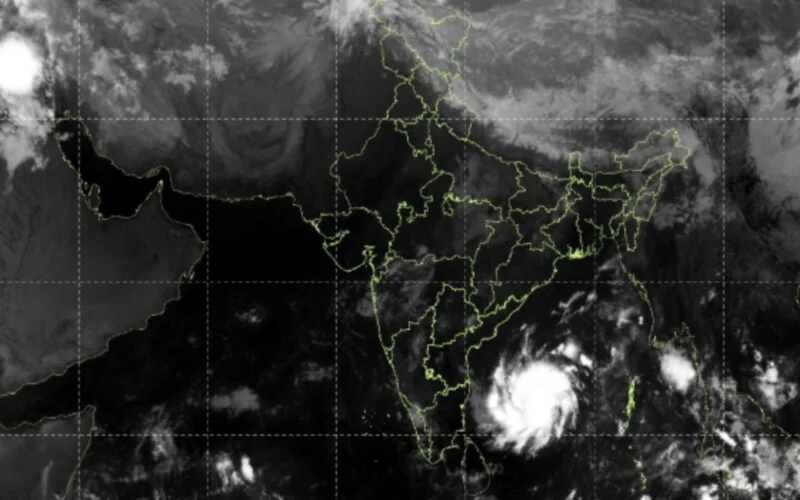
Image: Oneindia
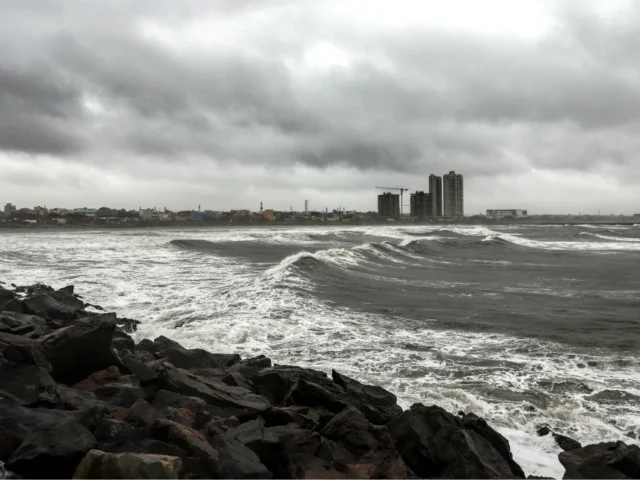
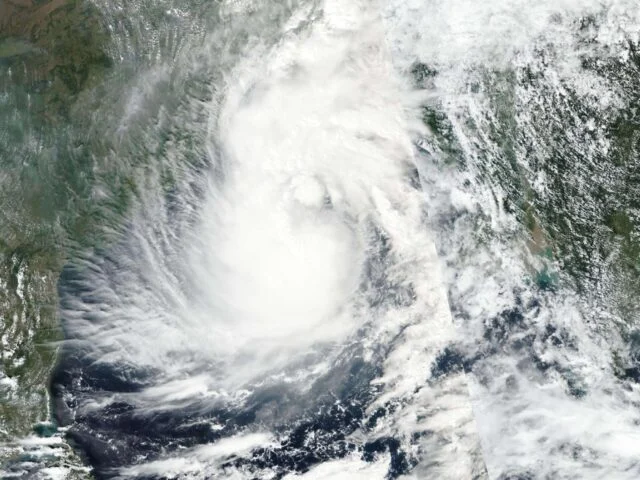
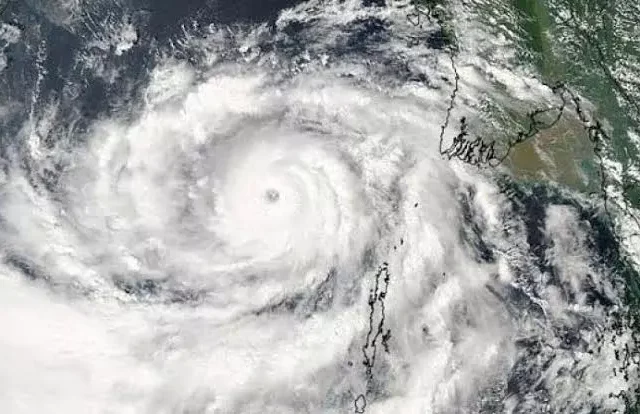
Cyclone Murasu formed over the west-central Bay of Bengal on Sunday, 1 November, and the India Meteorological Department (IMD) expects it to become a severe cyclonic storm and cross the south Andhra Pradesh coast between Nellore and Narsapur by the morning of 3 November. The IMD announced at 11:30 am that the deep depression had intensified into a cyclonic storm. At 5:30 am it lay about 700 km east-southeast of Chennai and 770 km south-southeast of Visakhapatnam, moving west-northwest at about 23 km/h, according to ETV Bharat’s report of the IMD update.
Fishing Ban Along the Andhra Coast
Fishermen have been asked to stay out of the southeast Bay of Bengal on 1 and 2 November and the southwest Bay of Bengal until the morning of 4 November. Fishing is restricted along the Andhra Pradesh coast from the morning of 2 November to the afternoon of 4 November, and similar warnings cover the north Tamil Nadu-Puducherry and south Odisha coasts. The IMD has advised authorities to move people from vulnerable coastal settlements and regulate road and rail traffic where needed.
Where the Heaviest Rain Falls
The IMD has a yellow alert for coastal Andhra Pradesh: heavy to very heavy rain at a few places and extremely heavy rain at isolated places on 2 and 3 November, then heavy rain at isolated places on 4 November. Rayalaseema is forecast heavy to very heavy rain on 2 and 3 November. Telangana gets heavy rain on 2 November and heavy to very heavy rain at isolated places on 3 November. South Odisha and south Chhattisgarh are on the list too, with heavy rain on 2 November and heavy to very heavy rain on 3 November, extending to 4 November in south Odisha. Tamil Nadu can expect isolated heavy rain on 2 and 3 November, with squally weather along the north Tamil Nadu-Puducherry coast.
Also read Cyclone Arnab Forms; Andhra Coast Landfall Likely on October 28
Wind Estimates Differ
ETV Bharat, citing IMD posts, reported winds of 100-110 km/h, gusting to 120 km/h, over the west-central Bay of Bengal from the night of 2 November to the afternoon of 3 November. Oneindia, quoting IMD Director General Mrutyunjay Mohapatra, reported sustained winds of 80-90 km/h with gusts up to 100 km/h, weaker than Cyclone Arnab, which had winds near 130 km/h. The IMD’s later bulletins will settle the figure.
Coastal districts of Andhra Pradesh, which saw very heavy rain from the earlier depression, have already been on watch. IPB has reported on the Andhra Pradesh rain forecast for 2-3 November and on the Odisha and Andhra rain outlook; the earlier storm is covered in the Cyclone Arnab live page.
The IMD will issue fresh bulletins through 2 November as the storm strengthens; its landfall point and time are likely to be narrowed down then.
Source: IMD all-India weather bulletin, 31 October. Also based on reporting by ETV Bharat, Oneindia and The Week.
Image: Oneindia.
Get IPB News first