Sirsa, Fatehabad Hailstorm: Paddy Damaged as Farmers Seek Girdawari

Image: The Tribune
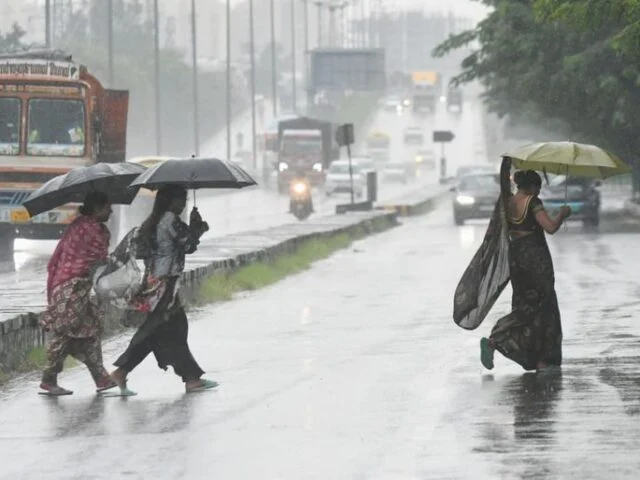
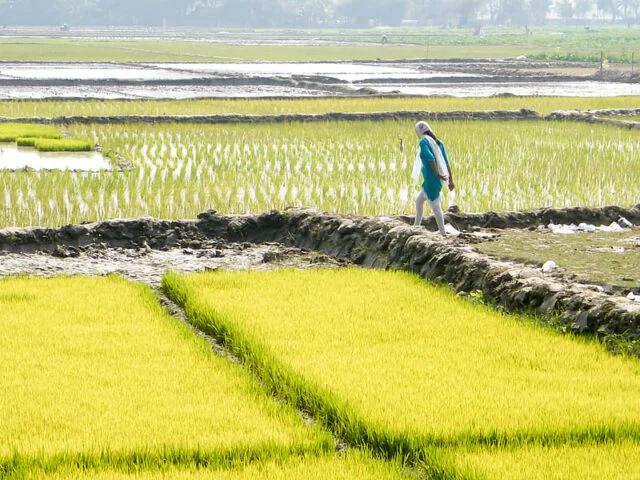
Hail and heavy rain on Saturday evening, 24 October, hit ripe paddy and cotton in villages of Haryana’s Sirsa and Fatehabad districts, days before harvest, The Tribune, UNI and Amar Ujala reported. Farmers in the Rania, Dabwali, Ding, Ratia and Tohana areas have asked for a special girdawari (crop-loss survey), and Sirsa MP Kumari Selja of the Congress on Sunday demanded immediate assessment and compensation.
Ripe Basmati Flattened in Ratia
Amar Ujala said hail hit about a dozen villages around Ratia in Fatehabad, including Bharpur and Dadupur, where Basmati 1885 and other varieties were ready for cutting. UNI named Hadoli, Nimari, Dadupur, Rattakhera, Jalopur and Bhatusotra among the affected villages. In Sirsa, the rain lasted about half an hour, with around five minutes of hail around Raniyan, Jeevan Nagar and Sangar Sadha, Amar Ujala reported. Paddy already cut and left in fields, and heaps in grain markets, got wet. Wet grain is harder to sell because procurement rules cap moisture at 17%.
Procurement Already Slowed by Strike
Mandi purchases in Sirsa had nearly stopped for two days during the power employees’ strike, and only about 40% of the district’s paddy had reached markets, Amar Ujala reported, citing government data. Selja said Rs 2,148 crore in paddy payments was still pending and that “leaving farmers to face this crisis alone would be an injustice.” IMD had forecast the western disturbance rain for 24-25 October.
Also read NIA Charges Four More in Sirsa Women’s Police Station Grenade Case
Under the rates Haryana set in 2021, farmers get Rs 15,000 an acre for a loss of 75% or more and Rs 12,500 for a 50% loss. No official estimate of the damaged area has been released.
Survey Order Still Awaited
Compensation depends on the state ordering a girdawari or opening the e-Kshatipurti portal for the affected villages. Neither had been announced by 8 PM IST on 25 October, and the Haryana Agriculture Department had not responded publicly to the demands. Harvesting may stop for two to three days while fields dry.
Source: Based on reporting by The Tribune, UNI, Amar Ujala (Fatehabad), Amar Ujala (Sirsa) and The Tribune (2021 compensation rates).
Image: The Tribune.