Diwali Adulteration Raids: 40,000 Failed Food Samples, 1,918 Convictions
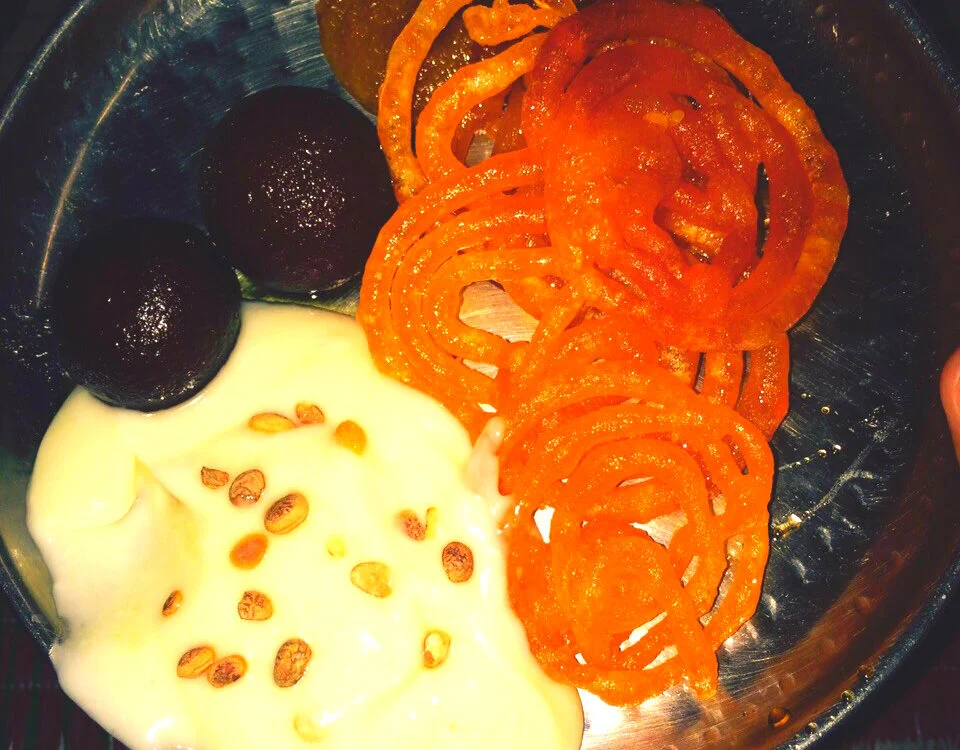
Indian sweets (file photo) / Wikimedia Commons
The Raid Is the Easy Part
- In 2025-26, 40,023 of the 2,23,808 food samples tested in India failed to meet standards, about 18%. In the same year, 1,918 food safety cases ended in a criminal conviction, the government told the Lok Sabha.
- Milk products did worst: 37.3% of 39,351 dairy samples failed. Only 204 dairy cases ended in criminal conviction, with total criminal fines of about ₹34.5 lakh.
- Over five years, Tamil Nadu recorded 2,865 food safety convictions. Telangana, Bihar, Assam, Odisha and Goa recorded none.
- This Diwali, UP says it has destroyed about 60 quintals of unsafe food, and Patna officials seized ₹21 lakh worth of sweets from an unlicensed unit.
Every year in the fortnight before Diwali, the pictures are the same: food safety officers in a cramped godown, sacks of khoya being emptied into a pit, a district official holding up a tin of ghee. This year Uttar Pradesh says it has checked vehicles at about 12 toll plazas and destroyed around 60 quintals of unsafe food, including 22 quintals of foul-smelling khoya in Kanpur. In Patna, officials seized sweets worth about ₹21 lakh from a factory in Bairiya that allegedly had no valid FSSAI licence. The question the raids do not answer is what happens next. Government figures on food adulteration show that a failed sample very rarely ends in someone being convicted.
One in Six Samples Failed
On 31 July, Minister of State for Health Prataprao Jadhav told the Lok Sabha that 2,23,808 food samples were analysed across India in 2025-26 and 40,023 were found non-conforming, meaning unsafe, substandard or wrongly labelled. That is about 18%, or nearly one in six. He also said 31,878 civil cases were decided with penalties and 1,918 criminal cases ended in conviction. The figures are provisional, the ministry said.
The cases decided in a year are not all from samples taken that year, since court cases run for years. Even so, the two numbers give a sense of scale: for every 100 failed samples, about five criminal convictions were recorded in the same year.
Also read FSSAI Issues Notices to BigBasket, Flipkart Over Rice Bran Oil Claims
| Food safety, 2025-26 | All foods | Milk and milk products |
|---|---|---|
| Samples tested | 2,23,808 | 39,351 |
| Samples that failed | 40,023 | 14,668 |
| Failure rate | about 18% | 37.3% |
| Criminal convictions recorded | 1,918 | 204 |
Milk Products Fail Most, and Fines Are Small
Khoya, paneer, ghee and milk sweets are what festive raids target, and they are also where the data is worst. In 2025-26, 14,668 of 39,351 milk and dairy samples failed, or 37.3%, up from 12,780 of 33,405 the year before, according to a written reply by Union Minister Rajiv Ranjan Singh reported by Rural Voice. About 11,770 cases were filed, almost all of them civil. 204 criminal cases ended in conviction.
The penalties are modest for an industry that sells ₹200 to ₹600 a kilo during the festive rush. Civil penalties in dairy cases came to about ₹34.37 crore across 9,783 cases, roughly ₹35,000 a case on average by IPB’s calculation. Criminal fines totalled about ₹34.51 lakh across 204 convictions, under ₹17,000 each on average. A factory that sells a few quintals of fake khoya in one Diwali week can earn far more than that.
Where Nobody Is Convicted
Enforcement depends almost entirely on the states, and the gap between them is wide. Lok Sabha replies on 24 July showed that over five years, from 2021-22 to 2025-26, Tamil Nadu recorded 2,865 criminal food safety convictions, Uttar Pradesh 1,089 and Kerala 713, The South First reported. Gujarat had 259, Karnataka 96, Rajasthan 78 and Maharashtra 25. Telangana, Bihar, Assam, Odisha and Goa had none.
That makes the Patna seizure worth watching. Bihar has not recorded a single food safety conviction in five years, according to those replies. The samples from the Bairiya unit have gone to a laboratory, and the outcome will show whether this raid ends differently.
Why Seizures Rarely Become Convictions
Under the Food Safety and Standards Act, 2006, most failures are handled as civil cases before an adjudicating officer, which end in a fine. Criminal prosecution is reserved for food found “unsafe”, and needs lab reports that hold up in court, a chain of custody for samples, and a magistrate’s trial. Each step takes time. Lab capacity is uneven between states, and a sample that is re-tested on appeal can return a different result.
FSSAI wrote to states on 29 September asking them to step up inspections and sampling before Navratri and Diwali, focus on milk products, sweets, snacks, edible oil, beverages and ghee, and log every inspection and result in real time on its FoSCoS and FoSCoRIS systems. That reporting means the data exists. What FSSAI does not publish is a festival-by-festival account of how many of the samples seized each October and November end in a conviction, and how long it takes. Without that, the Diwali raid tally measures activity, not deterrence.
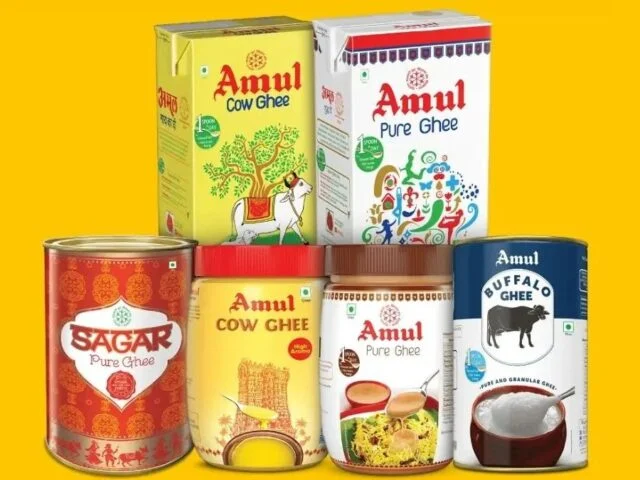
Closer to home, Delhi’s food safety department seized over 322 kg of ghee in Vikaspuri and Hastal last month, as IPB reported, and Amul has raised ghee prices just before the festival, widening the gap between branded and loose ghee that adulterators exploit.
What You Can Check Before Buying
- Look for the shop’s 14-digit FSSAI licence or registration number on the box or the shop board. Unlicensed units are the ones raided most.
- Buy khoya-based sweets fresh and from shops that make them on site. Sweets bought at ₹200 to ₹250 a kilo when the market rate is far higher are a warning sign.
- FSSAI’s DART booklet (Detect Adulteration with Rapid Test) explains simple home tests, such as a drop of iodine on khoya or paneer turning blue if starch has been added.
- Complaints can be filed on the Food Safety Connect app or with the district food safety officer.
Frequently Asked Questions
How many food samples failed quality tests in India in 2025-26?
40,023 of 2,23,808 samples tested were non-conforming, according to provisional figures given in the Lok Sabha on 31 July 2026.
How many people were convicted for food adulteration in 2025-26?
1,918 criminal convictions were recorded in food safety cases, and 31,878 civil cases were decided with penalties.
Which state has the most food safety convictions?
Tamil Nadu, with 2,865 criminal convictions between 2021-22 and 2025-26. Telangana, Bihar, Assam, Odisha and Goa recorded none in that period.
Source: Lok Sabha written replies of 24 and 31 July 2026, as reported by The Tribune, Rural Voice and The South First. Also based on reporting by UNI, Patna Press and Aman Shanti News.
Image: Indian sweets (file photo) / Wikimedia Commons.
Get IPB News first