Supreme Court: 24-Hour Rule to Meet Magistrate Starts at Detention, Not Arrest
Police can no longer delay an arrest entry to stretch the 24-hour limit; anyone held longer without a magistrate must be freed.
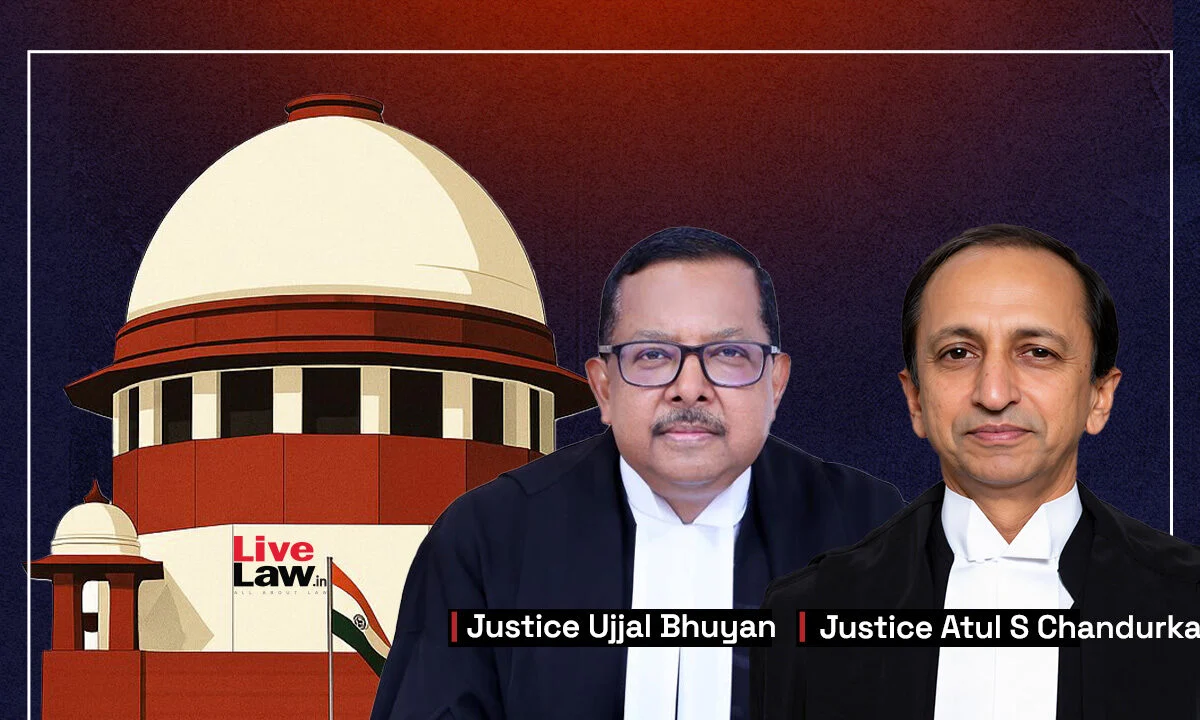
Image: LiveLaw
The Supreme Court ruled on Thursday 5 November that the 24-hour limit for producing a person before a magistrate begins the moment the person’s liberty is curtailed, not when police record a formal arrest. A bench of Justices Ujjal Bhuyan and Atul S Chandurkar gave the ruling in Sujit Das v Union of India, according to Bar & Bench and LiveLaw, and ordered the appellant released.
Police Cannot Delay the Arrest Entry
For anyone stopped by police, the practical effect is direct. If a person is held at 2 pm and shown as “arrested” at 8 pm the next day, the clock still started at 2 pm. The court said the only time that can be left out is the journey to the magistrate’s court. A person held beyond 24 hours without being produced must be released, and magistrates must record the actual time of detention and check compliance before granting remand. They may refuse remand even inside 24 hours if the detention was longer than reasonable.
Eighteen Unexplained Hours in a Drug Case
The appellant was detained on the afternoon of 29 September 2025 and shown as arrested on 30 September, then produced before the magistrate at 4:45 pm that day, the reports said. The case involved an alleged recovery of 11.03 kg of methamphetamine tablets. The investigating agency argued that the clock ran only from formal arrest. The court noted an 18-hour gap between the end of the search and the recorded arrest, with no explanation, and found that unreasonable under Section 58 of the Bharatiya Nagarik Suraksha Sanhita (BNSS). It held that “arrested” and “detained” mean the same in Article 22(2) of the Constitution and rejected any “buffer zone” between them.
Also read Judicial Service Exams: Supreme Court Refuses Relief to Court Staff
The bench set aside the Tripura High Court’s 29 April order refusing bail. It also held that the strict bail conditions of Section 37 of the Narcotic Drugs and Psychotropic Substances Act give way when Article 21 has been violated. It disapproved contrary rulings of the Orissa, Madras and Kerala High Courts.
Magistrates Now Have a Checklist
Trial courts will have to note detention time on every remand file. The court did not set a date for any follow-up, and the full judgment text was not available on the pages reviewed. IPB News coverage of other Supreme Court orders this week gives context. The court’s other rulings are collected under the Supreme Court tag.
Source: Based on reporting by Bar & Bench and LiveLaw.
Image: LiveLaw.
Get IPB News first