Facial Recognition at Protests: Supreme Court Issues Notice on SFLC Plea
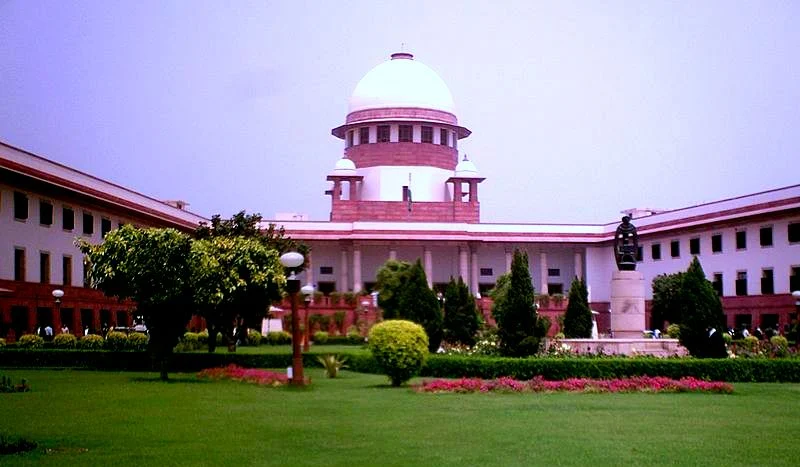
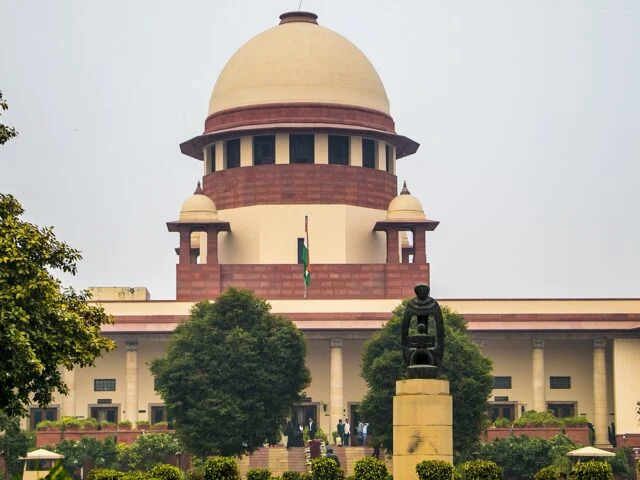
Image: Supreme Court of India / Wikimedia Commons
The Supreme Court on 3 November issued notice on a plea by the Software Freedom Law Centre (SFLC) challenging the use of facial recognition at protest sites. A bench of Chief Justice Surya Kant and Justices Joymalya Bagchi and V Mohana heard Advocate Prashant Bhushan, who asked the authorities to disclose what surveillance is being used and what law backs it, LiveLaw reported. The petition alleges Delhi Police used facial recognition to identify and track people at the 10 October protest at Jantar Mantar.
Bench Questions “Simplistic” Defence
Solicitor General Tushar Mehta questioned the plea and said CCTV cameras at protest sites are meant to prevent untoward incidents. Justice Bagchi called that argument “very simplistic”, according to LiveLaw. He drew a line between linking a face to a person and what is later done with the data collected, and asked whether the availability of footage and data is by itself a legitimate state interest.
For anyone who attends a demonstration in Delhi, the question before the court is whether being scanned and matched against police databases is lawful without a stated framework. The court has not passed any interim direction on the use of the cameras.
Also read SIR Form 6: Voters Missing From Draft Roll Can Re-Apply, Says EC
Third Challenge in Three Months
This is not the first petition on the subject. On 13 August the same bench agreed to hear a plea by CPI(M) Rajya Sabha MP A A Rahim against facial recognition at Jantar Mantar and tagged it with earlier petitions, PTI reported. The plea said an RTI reply showed no privacy impact assessment had been done before deployment.
In an affidavit filed in August, Delhi Police told the court that the technology was confined to people with existing criminal records and did not amount to indiscriminate surveillance, Bar & Bench reported. Police said the system picked out 2,873 people with records between 20 and 26 July. A match, police said, is a first step that is followed by field verification. A match does not mean the person committed any offence at the protest.
IPB News earlier reported on the Supreme Court-appointed panel hearing complaints on the July protest violence.
No Date Yet for the Next Hearing
LiveLaw’s report does not give a next date. The notice means the Centre and Delhi Police will have to file their responses, and the matter is expected to be heard along with the Rahim petition and the other pending pleas. What the court decides on a legal framework for facial recognition at public gatherings is still open.
Source: Based on reporting by LiveLaw, The Tribune (PTI) and Bar & Bench.
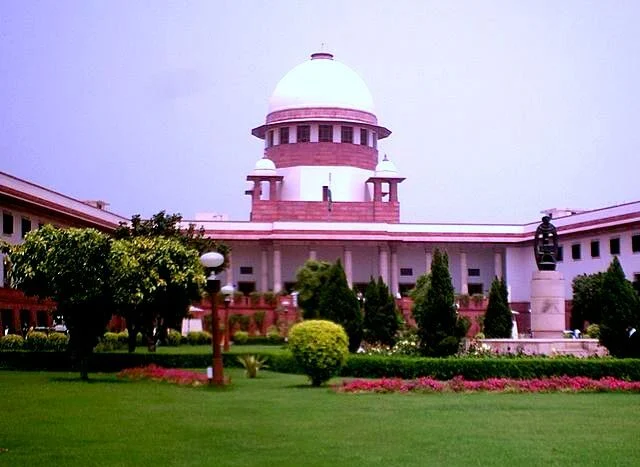
Image: Supreme Court of India / Wikimedia Commons.
Get IPB News first