Judicial Service Exams: Supreme Court Refuses Relief to Court Staff
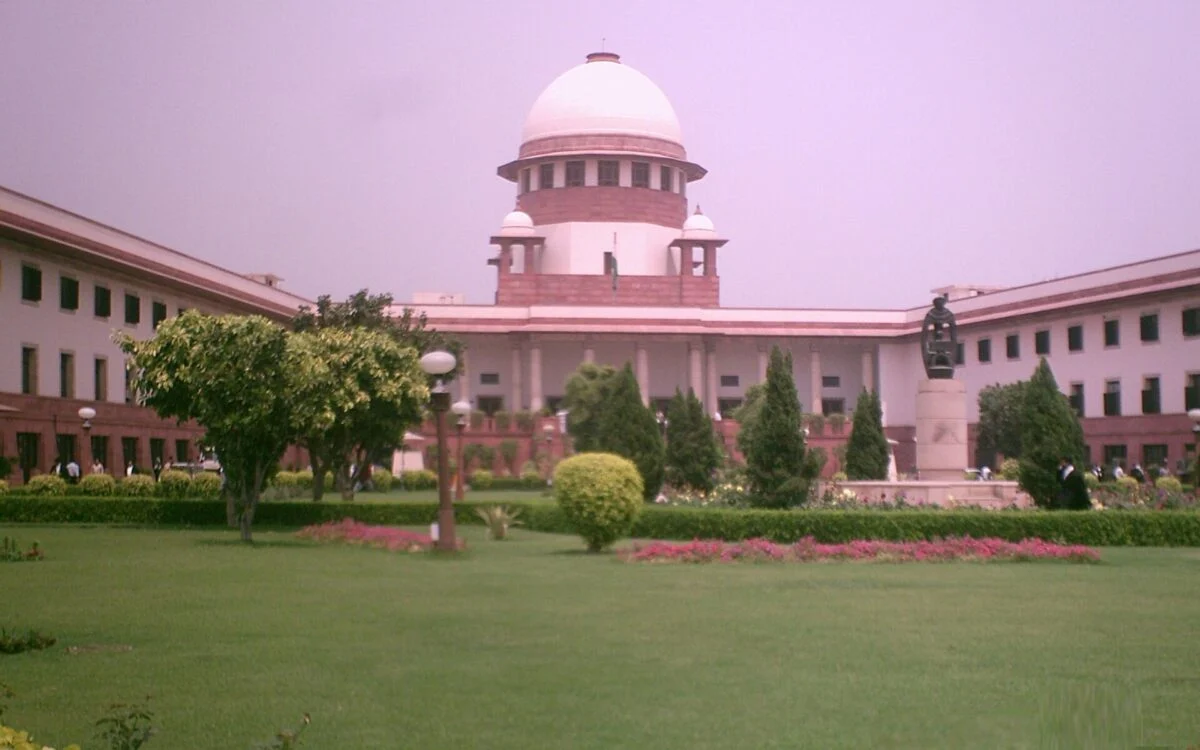
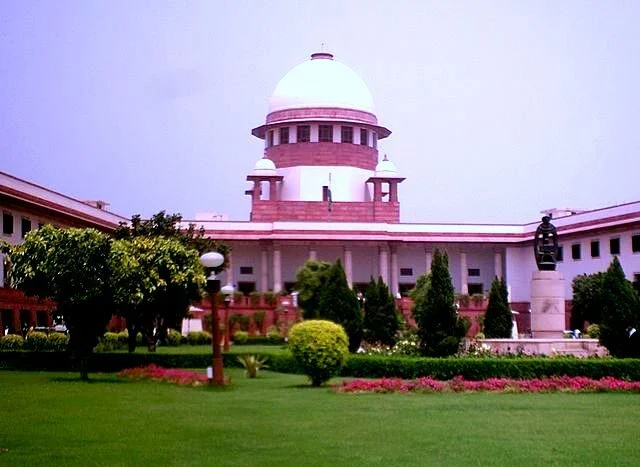
Image: Supreme Court of India / Wikimedia Commons
The Supreme Court on Wednesday, 4 November 2026, refused to relax the three-year practice condition for judicial service, dismissing an application by 21 Karnataka court staff who wanted to sit civil judge recruitment. A bench of Chief Justice Surya Kant and Justices Joymalya Bagchi and V Mohana said it saw “no reason to modify” its earlier judgment in the Bhumika Trust case, according to LiveLaw’s report of the hearing.
Staff Officers Stay Out of the Civil Judge Race
The applicants, who have worked in service for five to fifteen years, argued through Senior Advocate Aditya Sondhi that excluding them without individual consideration violated Articles 14 and 16 of the Constitution. They said they were not asking for reservation. The court said judicial posts cannot become a promotion route for other cadres. Any separate recruitment channel for in-service staff, it said, is for States to create under Article 309 or through legislation. Justice Bagchi said the bench did not want to pass a general order restraining the States.
Karnataka Dropped In-Service Candidates in March
Karnataka’s judicial service rules of 2004 were amended in 2011 and widened in 2015 to cover all in-service candidates. On 12 March 2026 the State amended them again to exclude such candidates from the civil judge post, citing the Supreme Court’s 20 May 2025 judgment in the All India Judges Association case, which made three years of practice mandatory. The Bhumika Trust ruling waived the condition for graduates only until 31 March 2027. The applicants also pointed to an order of 21 August 2026 that allowed law clerks under the transitional arrangement. Andhra Pradesh, Telangana and Maharashtra reportedly still allow recruitment by transfer for in-service persons.
Also read Karnataka 2011 KPSC Recruitment: Supreme Court Strikes Down 2022 Law
Any Change Now Rests With the States
The order leaves the three-year condition in force for court staff who have not practised as advocates. Whether a State opens a separate channel for them is now a matter of State rules. The court did not set a further hearing. See more rulings in IPB News Daily Updates.
Source: Based on reporting by LiveLaw.
Image: Supreme Court of India / Wikimedia Commons.
Get IPB News first