Agnipath Has Been Rolled Back. The Government Just Won’t Say So
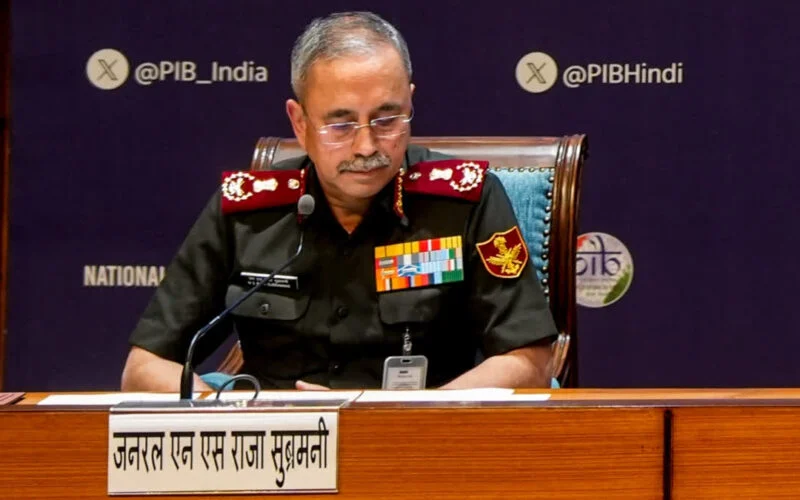
Image: PTI / ETV Bharat (file)
Read the Ministry of Defence’s press release from Wednesday afternoon slowly, and look at one word in the headline. It does not say the Cabinet has extended a scheme, or tweaked one. It says the Cabinet “creates a pathway for all Agniveers to be absorbed in Defence Forces.”
All. Absorbed. Four years ago, the entire point of the Agnipath scheme was that most Agniveers would not be absorbed. That was the design, not a side effect. On Wednesday the government took that design apart, and then, in the same release, told us that “the Agnipath scheme shall continue.”
Both things cannot be fully true. The scheme that continues is not the scheme that was sold to the country in June 2022.
Also read Navy Agniveers: Maharashtra Appoints 282 as Police Constables
What Was Promised in 2022
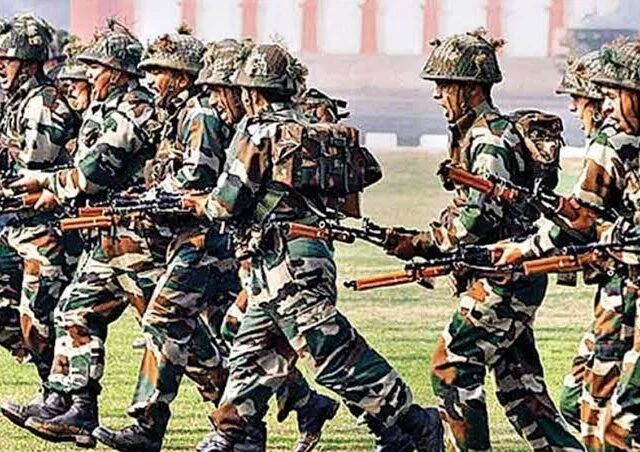
When the scheme was announced on 14 June 2022, the arithmetic was the argument. Young people would join the Army, Navy and Air Force for four years. Up to a quarter of each batch would be kept on as regular soldiers, sailors and airmen. The other three-quarters would leave with a Seva Nidhi payout of about ₹11.7 lakh, a skill certificate and no pension. The forces would get younger, and the pension bill would stop growing as fast as it had been.
That 75% exit was what made the numbers work. It was also what set fire to railway stations in Bihar and Telangana that week. Young men in Ballia, Ara, Rohtak, Jhunjhunu and Mansa understood the scheme better than many commentators did: for most of them, the uniform now came with an expiry date.
The government held its ground. Ministers called the protests misinformed. Senior officers went on television to explain why a four-year model was good for the forces. The Delhi High Court upheld the scheme in 2023. There was no talk of a second term.
What Was Announced on Wednesday
Now look at what has been approved, in the government’s own words. The 25% are still kept on merit. The other 75% are offered “another engagement period of two years.” After that, “all Agniveers will be offered enrollment as regular soldiers subject to their willingness and their meeting selection criteria.” The second term will come with higher pay, a bigger Seva Nidhi and seniority benefits.
So the default has flipped. In 2022, an Agniveer’s expected future was to leave. In 2026, his expected future is to stay, provided he wants to and clears a selection test. The exit that defined the scheme is now the exception.
If you take away the idea that most Agniveers go home, what you have left is a six-year probation before a regular job in the forces. That is a recruitment reform worth discussing on its merits. It is not Agnipath as the country was told about it.
Why Not Call It a Rollback?
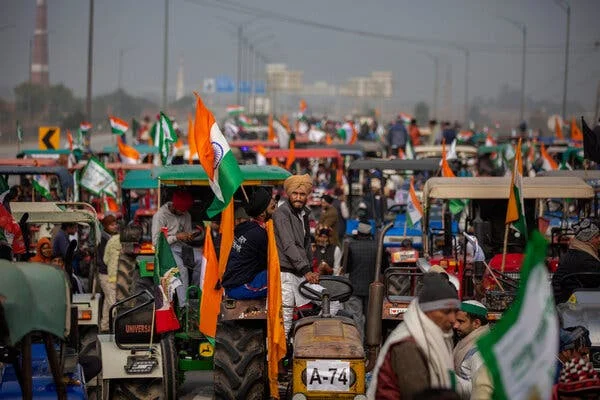
Governments change policies all the time, and admitting a correction is not a weakness. The farm laws were repealed in November 2021 with an address to the nation. Here, the government has chosen to reverse the heart of a scheme while describing it as the scheme’s success. The release lists the “achievements of Agnipath Scheme” and, in the next breath, removes the part that made it Agnipath.
The timing does not help the government’s case. The first Navy batch was due to leave on 21 November, the Air Force batch on 21 December and the Army batch on 31 December. More than 18,000 trained young people were about to walk out of their units and into a job market that, for most of them, had no place ready. Several states had announced police quotas, but quotas are not appointment letters.
Then there is the electoral map. The states that send the most young people into the Army are the same ones where Agnipath has hurt the ruling party. The Agniveer question ran through the Haryana campaign in 2024, and through the Lok Sabha results in Uttar Pradesh the same year. Uttar Pradesh, Punjab and Uttarakhand, three of the biggest recruiting states, vote for new Assemblies in 2027. Congress has already called Wednesday’s decision a pre-poll reversal. The government will reject that, but it has given its critics no other explanation to work with.
The Government’s Case, and Its Gaps
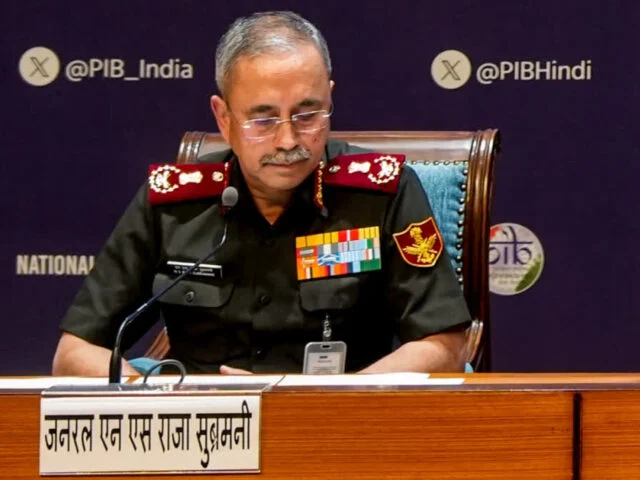
To be fair to the government, it has an answer. The CDS, General NS Raja Subramani, said four years of assessment had produced very positive feedback on the first batch, and that the extension came on the forces’ own recommendation. The release says the Agniveers performed outstandingly on skills, fitness and motivation. A scheme that is reviewed and improved is doing what it was meant to do, the argument goes. Selection criteria still apply, and nobody is promised a job.
There is something to that. If Agniveers turned out to be good soldiers, keeping them is sensible, and the forces have been short of men since recruitment stopped during Covid. But that argument only goes so far. If the young soldiers were this good, the question is why the plan was ever to send three of every four home. Either the 2022 design was wrong, or the 2026 change is driven by something other than the assessment. The government cannot keep both answers.
And the assessment itself has not been made public. Nor has the most basic data: how many Agniveers have been recruited from each state and district, how many have left early, and how many states have actually hired former Agniveers under the quotas they announced. A government confident that the scheme worked would publish those numbers.
What Agniveer Families Still Don’t Know
For a family in Gonda or Mansa, the questions are practical. Will the six years count towards a pension if their son is made regular? What exactly are the “selection criteria”, and who sets the cut-off? What happens to the 25% retained this year, who joined the regular cadre two years before batchmates who will now follow them? How much is “higher remuneration”? The release answers none of this.
A rollback done in the open would come with those answers. It would say, plainly, that the 75% exit did not work for the forces or for the young people, and lay out what replaces it. What we have instead is a reversal dressed as continuity, announced weeks before 18,000 soldiers were to be sent home.
The Agniveers deserve the relief. They also deserve the truth about why they are getting it.
Views expressed are the author’s own and not necessarily those of IPB News. Read our news report: Agniveer 2-Year Extension: What It Means for UP, Bihar, Punjab Youth.
Source: Ministry of Defence release via PIB, 4 November 2026; PIB release on the Agnipath scheme, 14 June 2022.
Image: PTI / ETV Bharat (file).
Get IPB News first