Agniveer 2-Year Extension: What It Means for UP, Bihar, Punjab Youth
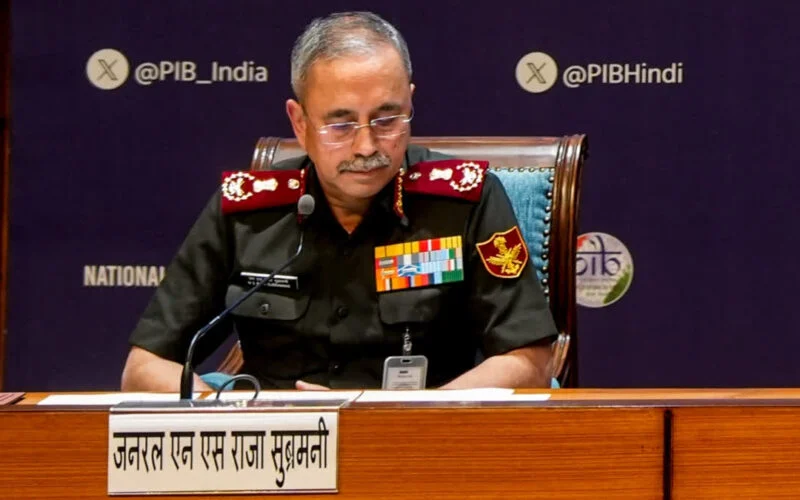
Image: PTI / ETV Bharat (file)
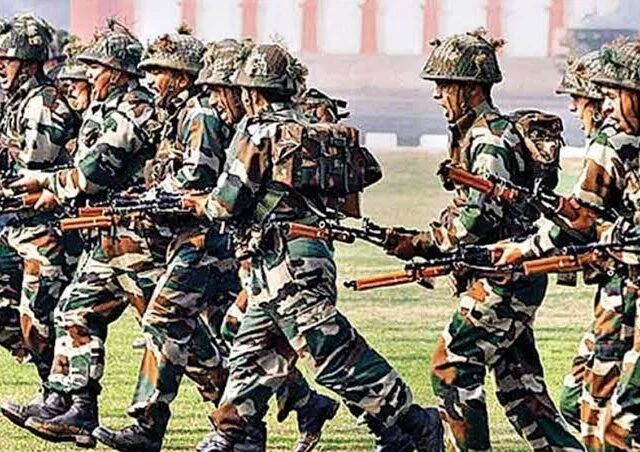
About 75% of the Agniveers who were due to leave the Army, Navy and Air Force in the next eight weeks will now stay in uniform for two more years. Chief of Defence Staff General NS Raja Subramani announced the change at a media briefing in New Delhi on Wednesday, 4 November 2026, after the Union Cabinet chaired by Prime Minister Narendra Modi cleared it. Once those two years are over, every Agniveer who wants to continue can be enrolled as a regular soldier, sailor or airman, subject to what the CDS called objective selection criteria.
The decision was taken weeks before the first batch of more than 18,000 Agniveers was to finish its four-year term. For young men and women in Uttar Pradesh, Bihar, Punjab, Haryana, Rajasthan, Uttarakhand and Himachal Pradesh, the states that have filled the Army’s ranks for generations, it changes the answer to the question they have been asking since 2022: what happens after four years?
From 25% Retention to Six Years in Uniform
Under the Agnipath scheme launched on 14 June 2022, up to 25% of each batch was to be kept on as regular personnel on merit after four years. The other 75% were to go home with a Seva Nidhi lump sum and a skill certificate. The 25% merit route stays. What changes is the fate of the rest: instead of leaving, they get a second two-year engagement, which Defence Minister Rajnath Singh called a “Second Tour of Duty” in a post on X.
Also read North India Dry Week: IMD Sees No Rain for Delhi, Punjab, UP
The CDS said four years of performance checks had brought “very positive feedback” on the first batch, and that the Cabinet had opened “a pathway for all Agniveers” to join the forces. Those given the extension will be considered for permanent posts after a performance assessment and will be eligible for higher pay, Business Standard reported. Asked whether the scheme could change further, he said it was “not set in stone” and would be reviewed periodically, according to PTC News.
Navy Batch Was Due Out on 21 November
The dates explain the timing. The first Navy batch completes four years on 21 November, the Air Force batch on 21 December and the Army batch on 31 December, PTC News reported. In the Navy alone, about 2,100 Agniveers joined in the first batch and about 550 were retained under the 25% rule, India TV reported.
Uttar Pradesh and Bihar Send the Most Soldiers
The government has not published a state-wise count of Agniveers. The closest guide is the make-up of the Army itself. Defence Ministry figures given to Parliament, compiled by The Federal in 2022, show Uttar Pradesh had 1,62,724 non-officer personnel in the Army, far ahead of any other state. Uttar Pradesh and Bihar together had 2,36,124 Army soldiers, and roughly a quarter of the non-officer strength of all three services.
Two days before the CDS spoke, Chief Minister Yogi Adityanath told a public meeting in Gonda on 2 November that former Agniveers would get 20% reservation, with direct recruitment and no written exam, in UP Police, the PAC, Home Guards, the Forest Department and the Prisons Department. For first-batch Agniveers from the state who take the extension, that quota now becomes a question for 2028.
Punjab, Haryana and Himachal Pradesh
Punjab had 90,290 soldiers in the Army in the same data, the second-highest of any state. Haryana had 65,910 and Himachal Pradesh 48,840. In the first Agniveer intake in December 2022, 750 young people from Mansa district alone qualified, the most from any district in Punjab, The Tribune reported at the time. Haryana has announced a 20% quota for former Agniveers in state police recruitment.
Rajasthan, Uttarakhand and Maharashtra
Rajasthan (80,034 Army soldiers), Maharashtra (84,373) and Uttarakhand (59,978) make up the rest of the big recruiting states. Rajasthan has announced reservation for ex-Agniveers in state recruitment. In Maharashtra, 282 Navy Agniveers were appointed police constables for coastal security last month.
Congress Has Opposed Agnipath Since 2022
The opposition has attacked the four-year model from the day it was announced. Congress president Mallikarjun Kharge promised in April 2024 that a Congress government would stop the Agniveer scheme, and the party made it a central issue in the Haryana Assembly campaign. On Wednesday, Congress called the extension a reversal timed for elections, Newsdrum reported. Uttar Pradesh, Punjab and Uttarakhand, three of the largest recruiting states, elect new Assemblies in 2027.
For the government, Rajnath Singh said the decision was part of long-term structural reform of the defence forces and was not merely a recruitment policy.
Pay and Selection Rules Still to Be Notified
Several details were not announced on Wednesday. Pay and duties during the extra two years will be set by guidelines yet to be issued, PTC News reported. Under the original scheme, an Agniveer’s monthly package rises from ₹30,000 in the first year to ₹40,000 in the fourth, with 30% held in a corpus fund that the government matches. The existing Seva Nidhi package stays. The criteria for permanent enrolment after six years, and how the extension sits with state police quotas, have not been spelt out.
The Navy’s first batch reaches the end of its four years on 21 November. More stories like this are on our Daily Updates page.
Source: Media briefing by CDS Gen NS Raja Subramani, 4 November 2026; PIB release on the Agnipath scheme (2022). Also based on reporting by Business Standard, ANI, PTC News, ETV Bharat, India TV, The Federal, Organiser, The Tribune and Newsdrum.
Image: PTI / ETV Bharat (file).
Get IPB News first