Cooperative Society RTI: Supreme Court Says Members Can Get Records
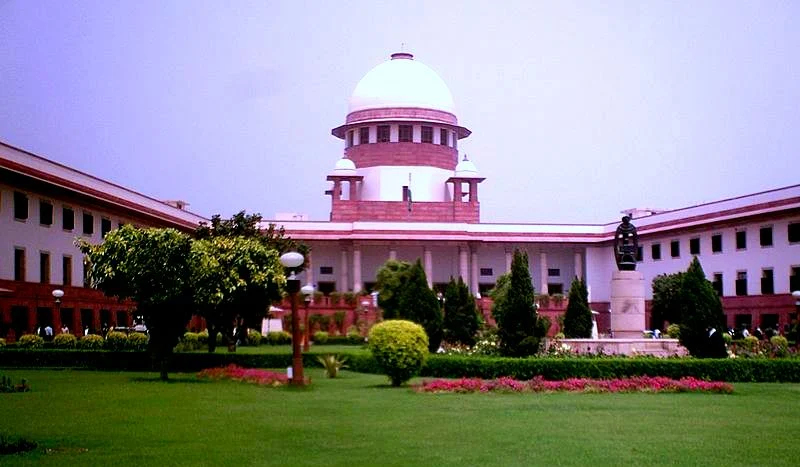
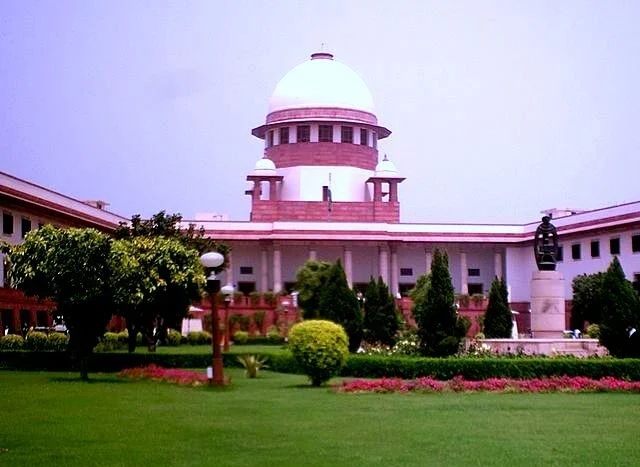
Image: Wikimedia Commons
The Supreme Court ruled on 26 October that a cooperative society cannot refuse a member information under the Right to Information Act by calling it personal or commercially confidential when the state’s Registrar can access those records. A bench of Justices JB Pardiwala and K Vinod Chandran dismissed an appeal by the Muppathadam Service Co-operative Bank in Kerala against orders of the State Information Commissioner and the Kerala High Court, in a judgment written by Justice Chandran.
A Bank’s Private Status Is No Shield
The bank argued that it is not a “public authority” under the RTI Act and that the Registrar could see its records under Section 65 of the Kerala Co-operative Societies Act, 1969, only after ordering an inquiry. The court disagreed. Section 2(f) of the RTI Act covers information about a private body that a public authority can access under another law, it said, and the Registrar does not need to hold the documents already or start an inquiry first. Section 66 of the Kerala Act gives the Registrar powers of supervision and inspection, including of a society’s books.
Trade Secret and Privacy Pleas Fail
The bank also relied on two exemptions in the RTI Act. On Section 8(1)(d), the court found no trade secret, intellectual property or commercial confidence at stake, since the bid had closed and a contract had been awarded. On Section 8(1)(j), it held the information was not personal when a member of the bank was the one asking. The member had sought two documents from the Joint Registrar (General) of Cooperative Societies, and the request was first rejected.
Also read SIR Software Name Withheld: EC Cites Trade Secrets in RTI Reply
Outsiders May Not Get the Same Answer
The bench noted that the result could differ if an unconnected third party made the same request, and that not every citizen has a right to such documents. It relied on earlier rulings, including Thalappalam Service Cooperative Bank v. State of Kerala and the Supreme Court’s decision in Subhash Chandra Agarwal. The authorities have been told to obtain the two documents at once, and in any case within two weeks, and give them to the member.
More court reports are on IPB’s Daily Updates page.
Source: Supreme Court judgment, Muppathadam Service Co-operative Bank Ltd. v. State Chief Information Commissioner (PDF). Also based on reporting by LiveLaw.
Image: Wikimedia Commons (Supreme Court of India, file photo).
Get IPB News first