Women Lawyers’ Bar Rooms: Supreme Court Orders States, High Courts to Act
Image: LiveLaw
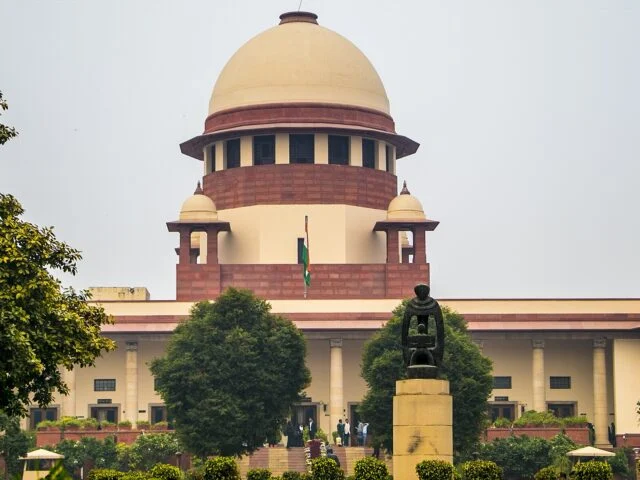
The Supreme Court on Monday directed every state government, Union Territory and High Court to provide exclusive bar rooms and basic amenities, including washrooms, for women lawyers in district and taluka courts. A bench of Chief Justice Surya Kant, Justice Joymalya Bagchi and Justice V Mohana passed the order in Sarika Tyagi v. Union of India, a petition on facilities for women advocates, and listed the case again for 2 December.
Bar Rooms Sized to the Number of Women Lawyers
According to the order as reported by LiveLaw, women’s bar rooms must be set up wherever women practise, and their size must match the number of women lawyers at that court. States and Union Territories must release funds where none have been set aside. The building and infrastructure committee of each High Court has been told to take up the issue on priority and oversee the work.
The bench said states, Union Territories and High Courts are “obligated to provide facilities to members of the Bar.” Senior Advocate Jayna Kothari, who appeared in the case, quoted the Court as saying it “strongly disapproved” of courts that have no ladies’ bar room.
Also read Ayodhya Land Acquisition: Supreme Court Reserves Verdict on Housing Schemes
Only 21 of 69 Respondents Had Filed Reports
The petition, W.P.(C) No. 770/2026, has been in the Supreme Court since June. In July the same bench ordered Advocates General to get a ground-level report on washrooms for women lawyers within two weeks and said that a lack of funds was no excuse for not building basic amenities. At Monday’s hearing, only 21 of the 69 respondents had filed status reports. Haryana had reportedly not carried out an inspection, and Punjab reportedly had washrooms for women in only 9 of its 67 court complexes.
Attorney General to Collect Progress Reports
Attorney General R Venkataramani will act as the central nodal authority. Advocates General and standing counsel must send progress reports to his office, and he will compile them for the Court. Petitioners and interveners may send suggestions to him; state-specific suggestions will go to the concerned Advocate General. A further meeting with the Advocates General was proposed for the end of October. No date was fixed for the progress reports.
The Court is expected to issue wider directions on 2 December. For other recent orders, see the Avadi flats ruling and the Daily Updates section.
Source: Based on reporting by LiveLaw and Verdictum.
Image: LiveLaw.