Aruna Roy Case: Supreme Court Says Voter Awareness Cannot Be Monopolised
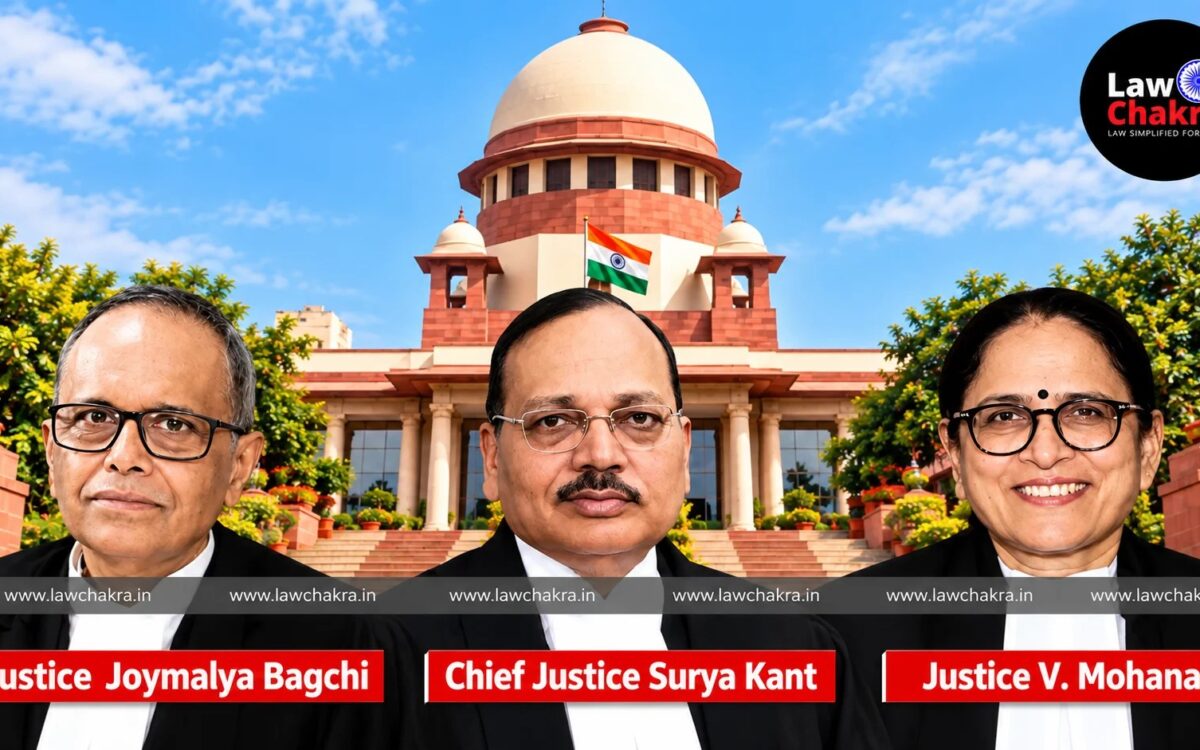
Image: LawChakra
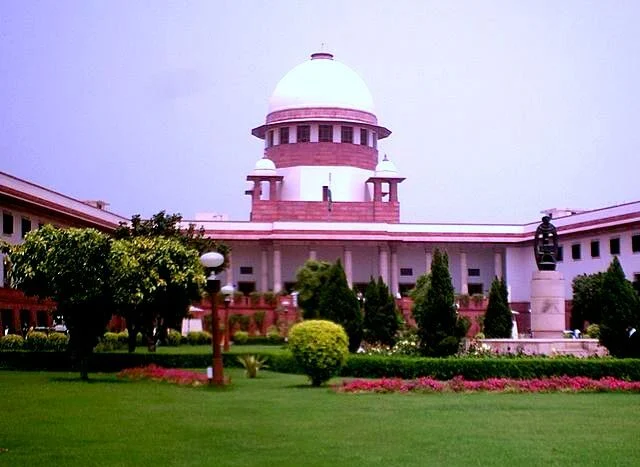
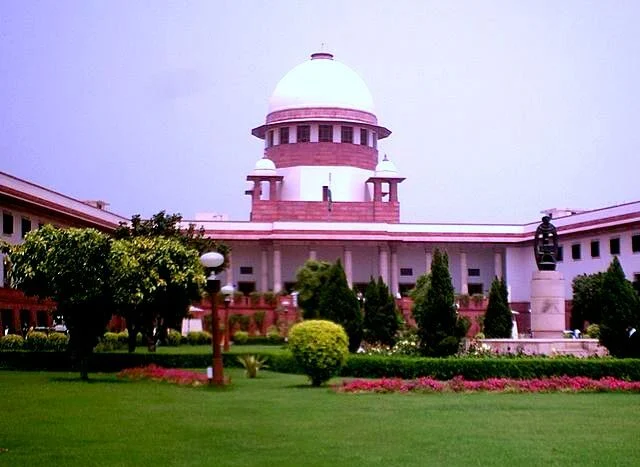
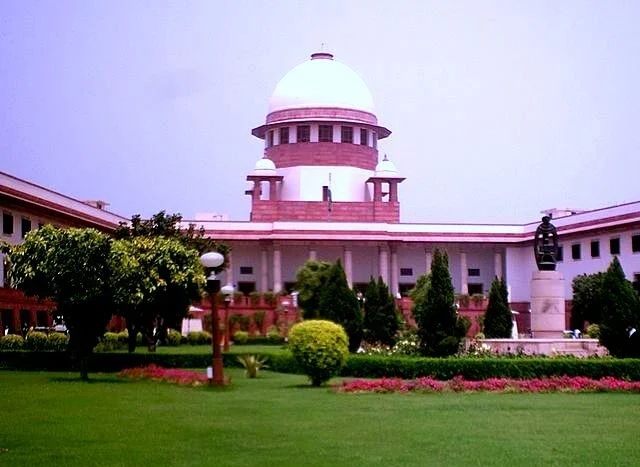
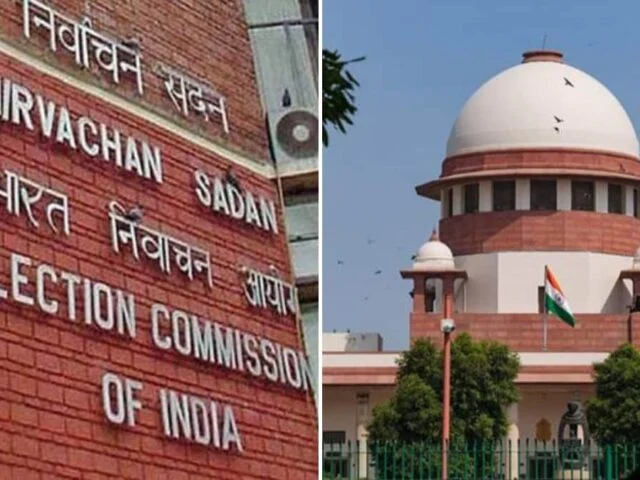
The Supreme Court on 2 November set aside the Rajasthan State Election Commission’s refusal to let activist Aruna Roy and a civil society group run voter awareness programmes before the Panchayati Raj elections. A bench of Chief Justice Surya Kant and Justices Joymalya Bagchi and V. Mohana directed the Commission to reconsider the request and decide within 48 hours, according to a LawChakra report of the order.
Permission Cannot Be Refused on Prohibitory Orders Alone
The groups had applied twice and been turned down, with officials citing prohibitory orders under Section 163 of the BNSS across Jaipur during the election period. The court held that these orders do not bar meetings or processions held with prior permission, and that a request cannot be rejected merely because they are in force. Applicants must name the place, date and time of each programme, since general permission cannot be sought.
The Commission’s Own Programmes Were No Ground
The State Election Commission had opposed the plea, saying the campaign could be at someone else’s behest and that it runs its own awareness programmes. Justice Bagchi said voter awareness cannot be “monopolised”, and that the Commission can act against corrupt practices without barring others. The petitioners, represented by advocate Prashant Bhushan, said they had run such campaigns since 2004 on voting rights, NOTA and refusing money for votes, without backing any candidate, and that no programme would draw more than 20 people.
Also read UP SIR Form 7 Complaints: Supreme Court Tells EC to Act on Bulk Deletions
A Decision Due Within Two Days
The Commission now has 48 hours to rule on the programmes listed in the application. The order does not say whether the court will hear the case again. IPB News has covered other election-related rulings under Daily Updates.
Source: Based on reporting by LawChakra and LiveLaw.
Image: LawChakra.
Get IPB News first