Disputed WhatsApp Message Cannot Convict, Supreme Court Rules
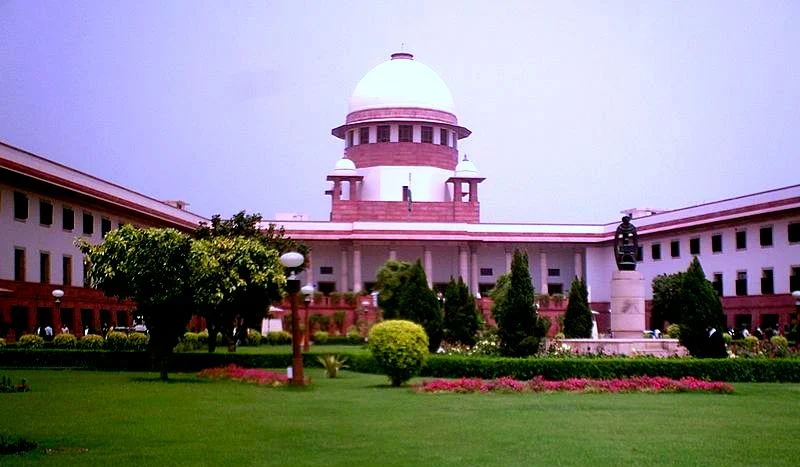
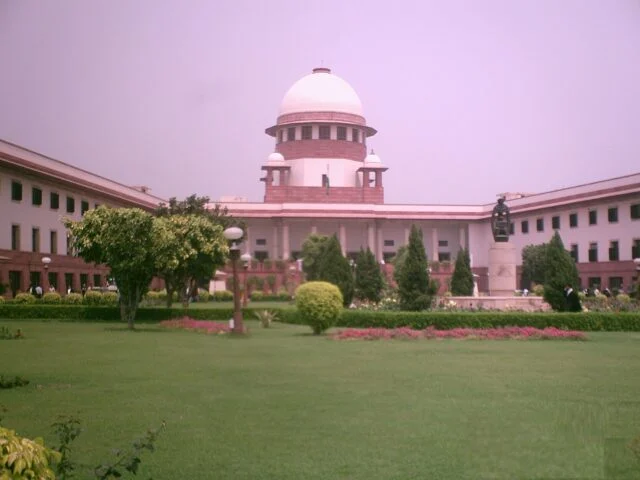
Image: Supreme Court of India / Wikimedia Commons
The Supreme Court has set aside the murder conviction of Kusumlal Sao, a Chhattisgarh man, holding that a WhatsApp message whose supposed sender denied writing it cannot carry a conviction. A bench of Justices Manoj Misra and Vijay Bishnoi, in a judgment written by Justice Misra and reported by LiveLaw on 23 October, allowed Sao’s appeal in Kusumlal Sao v. State of Chhattisgarh and quashed the orders of the Sessions Court and the High Court.
A Message Its Sender Denied Writing
The prosecution’s case rested on circumstantial evidence. Forensic analysis of two witnesses’ phones turned up a WhatsApp message sent on the night of 7-8 February 2019 from one witness to the other. It pointed to the accused and mentioned a fight between him and the deceased. Both witnesses later turned hostile, and the sender denied sending it.
The bench said the author of the message and the basis of its claim, personal knowledge or hearsay, could not be determined. In the Court’s words, it “at best, creates a suspicion against the accused-appellant which by itself is not sufficient to sustain conviction.”
Also read DSSSB Teacher Vacancies: Supreme Court Asks Why Posts Are Split by Gender
Recoveries Did Not Tie Him to the Death
The deceased was found in an open field on 9 February 2019, with a motorcycle tied around him with a rope. An autopsy suggested homicide. On the accused’s disclosure statement, police recovered an iron rod, a screwdriver, a blood-stained shirt and blood-stained soil. Sao was charged under Sections 302 and 201 of the IPC.
The Court found that one seizure witness said the soil was taken from where the body lay, not from the accused’s house, and that the blood could not be linked to the deceased because there was no DNA match. It also said the time of death was never fixed, so the messages could not be treated as part of the same transaction under Section 6 of the Evidence Act, and that an accidental death had not been ruled out.
Acquittal in a Case From 2019
With the appeal allowed, the Sessions Court and High Court orders no longer stand and Sao is acquitted. The reported judgment does not say whether he was in custody when it was delivered. More court rulings are on IPB’s Daily Updates page.
Source: Supreme Court judgment, Kusumlal Sao v. State of Chhattisgarh. Also based on reporting by LiveLaw.
Image: Supreme Court of India building / Wikimedia Commons.