AEBS Mandatory for New Cars From 2030: Road Ministry Draft Rules
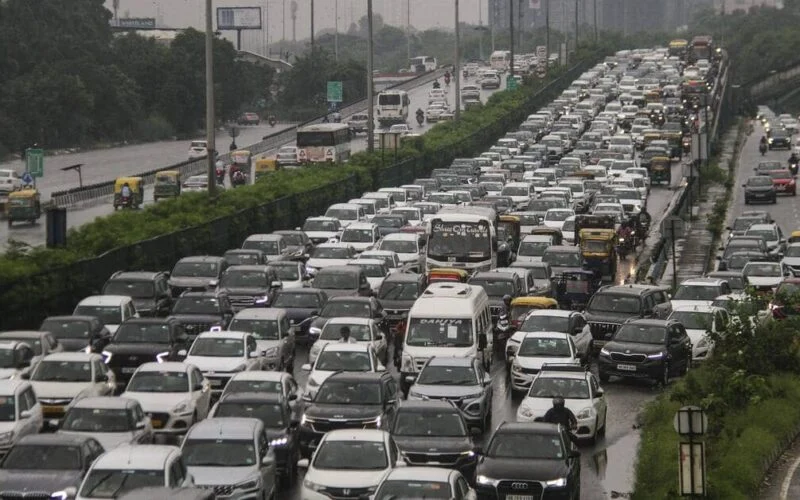
Image: PTI / Business Standard
The Ministry of Road Transport and Highways has drafted rules that would make Advanced Emergency Braking Systems (AEBS) mandatory in every new car model from 1 October 2030, according to a draft notification dated 19 October 2026 and reported by PTI on 22 October. Car models already in production would have to comply from 1 October 2032. The ministry’s stated aim is to curb road accidents: the system brakes the car on its own when the driver does not respond to an emergency.
Cars Must Brake Without the Driver
AEBS uses radar, cameras or LiDAR to watch the road ahead. If a crash looks likely, it first warns the driver, may then apply a short brake pulse, and applies full braking if the driver still does not react, Business Standard explained. The draft covers M1 vehicles, the category for passenger cars, and requires the system to conform to the AIS-185 standard, as amended from time to time.
The reports also note limits. AEBS works less well in bad weather and low light, can brake falsely, and has reduced range on sharp curves and for cross-traffic.
Trucks Get Stability Control in 2027
The same set of measures covers medium and heavy trucks. Electronic stability control (AIS 162) becomes mandatory for trucks from 1 October 2027, to keep them steady when braking on curves, and a revised braking standard for trucks takes effect on the same date.
The reports give no India-specific figures on how many crashes AEBS could prevent, and neither the draft nor the coverage mentions what the feature would add to a car’s price.
Thirty Days Before Rules Are Considered
This is a draft, not a final rule. The government will consider the draft after 30 days from the date copies of the notification are made available to the public through the Gazette of India. Until the final notification is issued, the 2030 and 2032 dates can still change. For related coverage, see IPB News Daily Updates.
Source: Based on reporting by ThePrint (PTI) and Business Standard.
Image: PTI / Business Standard.