STUBBLE BURNING: A cause to Delhi’s Air Pollution
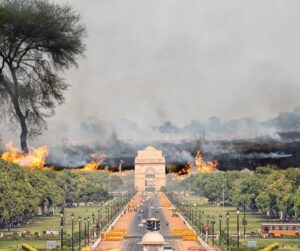
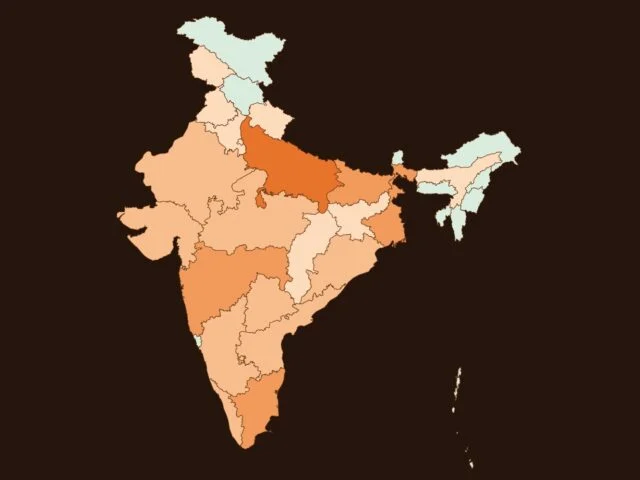
Delhi ranked 2nd, followed by Faridabad in terms of Air pollution. The Zamindars and farmers of Haryana and Punjab should be credited for their so-called contribution in “Parali” burning also known as stubble burning.
What is “Parali” or Stubble Burning?
Parali(crop residue), are leftover or cut stalks of cereal plants like paddy, wheat, maize, or sugarcane, etc that are left sticking out of the ground after the grain is harvested. In order to get the land ready for the next sowing session, farmers perform stubble burning.
Environmental and health risk
These hazardous stunts let Delhiites choke. AQI (Air Quality Index) graph of Delhi NCR keeps on fluctuating. A study estimates that crop residue burning released 149.24 million tonnes of carbon dioxide (CO2), over 9 million tonnes of carbon monoxide (CO), 0.25 million tonnes of oxides of sulphur (SOX), 1.28 million tonnes of particulate matter and 0.07 million tonnes of black carbon that turns Soil and Air poisonous, directly contributing to environmental risk like the haze in Delhi and melting of Himalayan glaciers.
Not only humans but stubble burning cause damage to other living creatures like micro-organisms, present in the upper layer of the soil that helps in balancing the eco-system.
Prior to the pandemic, people of NCT used to wear N-95 masks due to poor air quality. Every year in the month of October-November, the landscape of Delhi and other northern regions of the country turns grandiose. The thin particles of crops mixed with smog in the upper layer of the atmosphere turn wind heavier.
An observation by Vitull K Gupta, professor of medicine, Bathinda, in 2016, showcased that 84.5 per cent of people were suffering from health problems like cough, wheezing, squeezing, eye irritation, difficulty in breathing, etc due to increased incidence of smog.
Today’s scenario
Since restrictions are not the only possible way to control such activities. The state government must adhere to some fruitful scheme towards waste management. Compiling to that, NGT suggests that government should provide incentives or subsidies to those who do not perform stubble burning. Secondly, using CRM machines to convert crop residue into organic fertilizer is another way out.
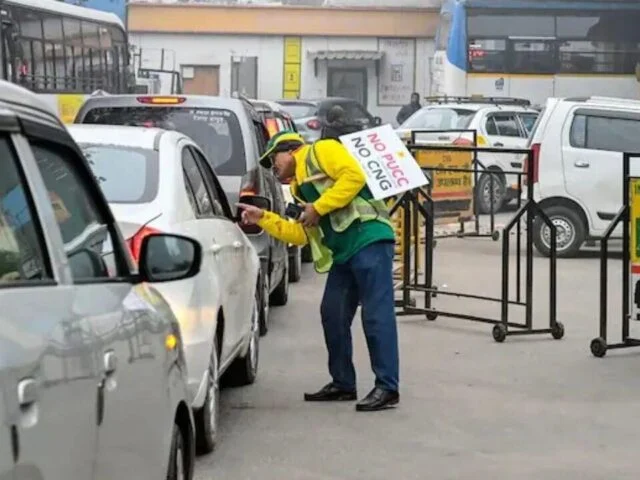
Not only Stubble burning but Co2 emissions from automobiles too bequest in poor AQI. A typical passenger vehicle emits about 4.6 metric tons of carbon dioxide per year. That is enough to disturb the ecological balance. Hence, the Supreme court has decided to re-impose the ban on construction work. No CNG trucks, tempo and vehicles are allowed to enter Delhi premises post-November 27 as per the latest order released by Honorable CM of Delhi Mr Arvind Kejriwal in support of his statement “Together we can fight.”
Click here to read more In-depth Analysis.