SIR Voter Deletions: Who the Missing Crores Are, and What the EC Has Not Said
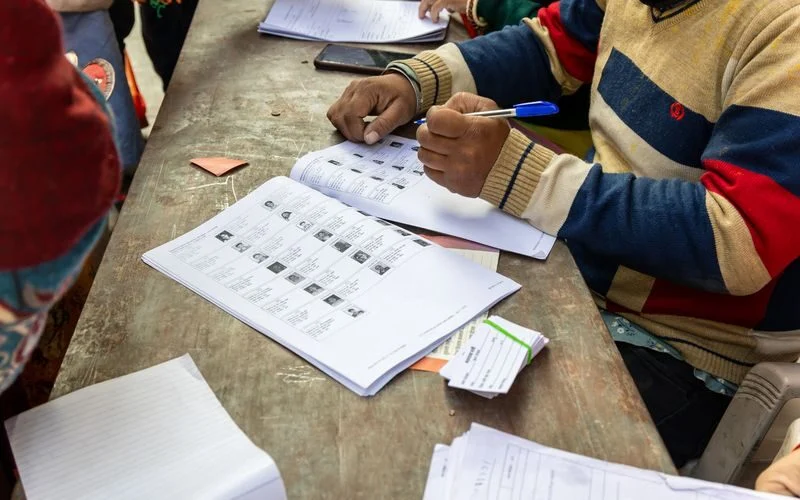
Image: The Tribune / PTI.
Where the Names Went, and Where the Data Stops
- In Uttar Pradesh, 2.89 crore names were cut from the draft roll. About 84 lakh came back, leaving a net drop of about 2.04 crore, or 13%. Another 3.26 crore voters were sent notices over mapping gaps or “logical discrepancies”.
- In Delhi, 32.78% of electors were left out of the draft roll, the highest share anywhere. In 24 of 70 constituencies, the draft roll has fewer electors than the number of votes cast in the 2025 election.
- In West Bengal, only about 2% of 38 lakh appeals had been decided by August. Of those decided, 91% ended with the voter restored.
- Published figures do not give a reason-wise breakdown for UP’s final roll, a count of pending appeals, or community-wise data, so claims on either side cannot be fully tested.
The Special Intensive Revision of electoral rolls has now run across almost every state, and the numbers it has produced are large enough to change elections. In the five states that vote early next year, the electorate has shrunk by about 2.29 crore, PTI reported on 3 November, with Uttar Pradesh accounting for most of it. The Supreme Court will take up the Election Commission’s Form 6 clarification on 19 November, and the opposition has made SIR voter deletions the centre of its campaign against Chief Election Commissioner Gyanesh Kumar. Home Minister Amit Shah has offered a special Parliament session if the Congress asks in writing. Beneath the political fight is a simpler question: who exactly has been removed, and on what grounds? The data released so far answers part of that, and leaves the rest open.
Uttar Pradesh: Two Crore Fewer Voters
UP’s roll stood at about 15.44 crore before SIR. The draft roll published on 6 January had 12.56 crore names, after 2.89 crore were marked as absent, shifted, dead or duplicate, 18.7% of the electorate. By the final roll on 10 April, 84.29 lakh names had been added back, leaving 13.40 crore, The Wire reported. That is still about 2.04 crore fewer than before.
The final roll was not the end of it. On 10 April, notices also went out to 1.04 crore “unmapped” voters, whose names could not be linked to the 2002-04 rolls used as the base, and 2.22 crore voters flagged for “logical discrepancies”, such as a father’s name spelt differently or an odd age gap between parent and child. These are not deletions yet, but each voter must respond or risk removal.
Also read UP SIR Form 7 Complaints: Supreme Court Tells EC to Act on Bulk Deletions
The draft deletions fell unevenly. Lucknow lost about 30% of its names and Ghaziabad about 28%, the highest in the state, while Bulandshahr lost just over 15% and Saharanpur and Muzaffarnagar just over 16%, Deccan Herald reported in January. Several Muslim-majority districts, including Rampur, Bijnor, Amroha, Azamgarh and Mau, saw below-average deletions, which does not support the view that the drive was aimed at Muslim voters in UP. The Election Commission has not released community-wise figures, so the question cannot be settled either way. The heavy urban losses fit what BJP leaders themselves said worried them: city voters moving their registration to their home villages.
Women were hit harder at the draft stage. Between the draft and final rolls, 42 lakh women were added back, and the ratio of women to men on the roll rose from 824 to 834 per 1,000. Even after that correction, the gap is wide.
Delhi: A Third of the Roll Left Out
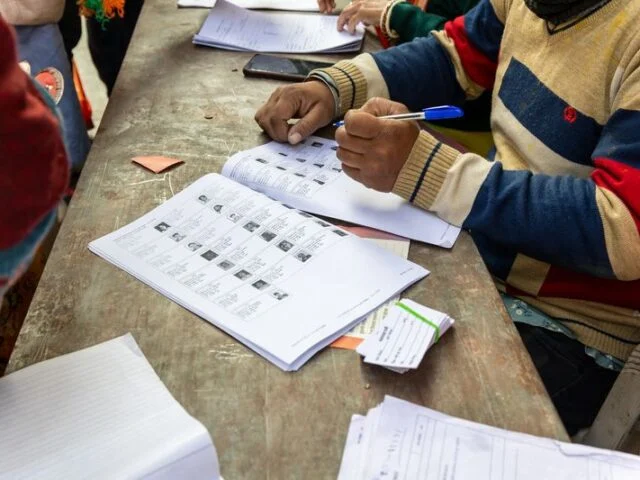
Delhi’s draft roll, published on 31 August, left out 47.57 lakh of its 1.45 crore electors, or 32.78%, the highest share of any state or Union Territory, the Internet Freedom Foundation found in an analysis published on 1 October. Of those, 43.32 lakh were marked shifted or absent, 2.82 lakh dead and 1.41 lakh duplicate. Another 33.13 lakh electors got notices.
The exclusions were steepest in minority-dominated and SC-reserved seats, between 20% and 45%. Okhla lost 45% of its electors from the draft, Patel Nagar 42%. In 24 of Delhi’s 70 constituencies, the draft roll now has fewer electors than the number of people who actually voted in the February 2025 Assembly election. Either a very large number of those voters have since moved or died, or the draft wrongly left out people who are still there. Field visits cited by IFF found residents marked “absent” or “dead” who were living at their recorded addresses. Delhi’s window for claims was extended to 30 October, and those left out must re-apply using Form 6.
Appeals That Barely Move
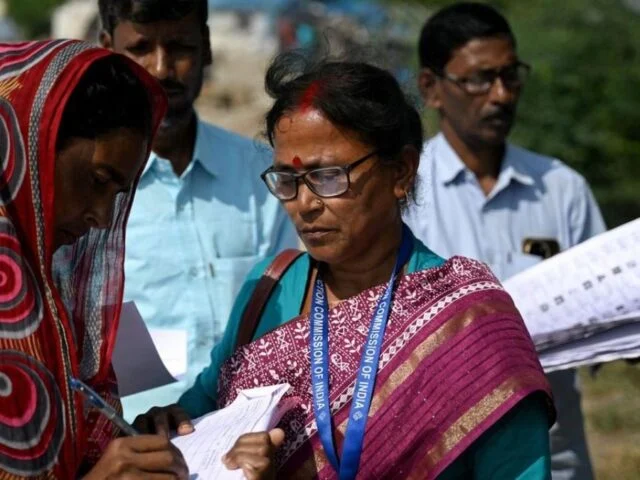
The Election Commission’s answer to concerns about wrongful deletion has been that any voter can appeal. West Bengal shows how that has worked in practice. About 90.8 lakh names, 11.9% of the electorate, were removed there. By 7 August, according to RTI data analysed by IFF, 38.08 lakh appeals had been filed and only 82,782, about 2%, had been decided. In 91% of those decided cases, the voter was put back on the roll.
If that restoration rate held for even part of the pending appeals, lakhs of eligible voters were removed in error. And 74% of the 27.16 lakh Bengal electors removed after adjudication filed no appeal at all, which IFF argues reflects how hard the process is to use rather than how accurate the deletions were. In UP, the published figures do not include a count of pending appeals.
| State | What changed | Key figure |
|---|---|---|
| Uttar Pradesh | 15.44 crore before SIR, 13.40 crore in final roll | 3.26 crore more voters sent notices |
| Delhi | 47.57 lakh left out of draft roll | 32.78% of electors |
| West Bengal | About 90.8 lakh removed | 2% of 38 lakh appeals decided by August |
| Bihar | 7.89 crore to 7.42 crore | About 65 lakh left out of draft |
What the Election Commission Has Said
UP’s Chief Electoral Officer Navdeep Rinwa has said no name was removed without due process and that the roll will keep being updated. The BJP’s UP spokesperson Manish Shukla said only those who had shifted, died or were duplicated were removed. In its affidavit to the Supreme Court, the Commission said every SIR decision was unanimous; IPB’s reading of that affidavit sets out what it does and does not cover.
The Samajwadi Party has flagged duplicate entries and garbled names in specific booths in Ghazipur and Prayagraj, and asked for a clear procedure for appeals. Across the opposition, the charge is that the drive removed eligible voters faster than the system can restore them. The INDIA bloc’s case against the CEC is set out in our report on its mock Parliament.
The Data That Would Settle the Argument
Much of the dispute could be tested if the Commission published, constituency by constituency, how many names were removed under each reason, how many appeals are pending and how many succeeded, and how many voters who received notices were eventually struck off. Those numbers exist in the Commission’s own systems, because booth officers record a reason for every deletion. Releasing them in a searchable form would let anyone check whether deletions match death and migration patterns, or whether they cluster in particular places and communities. Until that happens, both the Commission’s assurance and the opposition’s alarm rest on partial figures. The Supreme Court hearing on 19 November is the next point at which the Commission may be asked for them.
Earlier coverage: post-SIR rolls in five poll-bound states and the Form 6 hearing set for 19 November. More analysis is on our In-depth Analysis page.
Frequently Asked Questions
How many voters were removed in Uttar Pradesh under SIR?
2.89 crore names were dropped from the draft roll. About 84 lakh were added back, and the final roll of 10 April had about 13.40 crore voters, roughly 2.04 crore fewer than before SIR.
What can a voter do if their name was removed in SIR?
They can apply for inclusion using Form 6. A first appeal against a deletion goes to the district magistrate within 15 days and a second to the state’s chief electoral officer within 30 days, under Section 24 of the Representation of the People Act, 1950.
Which place had the highest SIR exclusions?
Delhi, where 32.78% of electors were left out of the draft roll published on 31 August 2026.
Source: Internet Freedom Foundation, 1 October 2026; UP CEO figures as reported by The Wire; Deccan Herald, 7 January 2026; PTI via The Tribune, 3 November 2026.
Image: The Tribune / PTI (file).
How the SIR (Special Intensive Revision) story developed
- SIR Voter Deletions: Who the Missing Crores Are, and What the EC Has Not SaidYou are reading
- SIR Left-Out Voters Get Fresh Chance in 7 States; Ramesh Cites U-Turn
- Kochi Anti-SIR Protest: Dipke Says CJP Fight Against CEC Will Go On
- Akhilesh Yadav Questions Yogi’s 1.27 Crore Missing Hindu Voters Claim
- Goa SIR: Bombay HC Orders Six Deleted Santa Cruz Voters Restored
- Aadhaar to Voter ID: Jairam Ramesh Asks If It Is Govt Policy
- UP Voter Deletions: Congress’s Mishra Asks Why BJP Defends EC
- Election Commissioners’ Immunity: Supreme Court Seeks Centre, EC Reply
Get IPB News first