NWMI Tells Supreme Court Police Affidavit Admits Press Interference
Journalists' bodies say police justifications, from Section 172(2) BNSS to a 'reel-maker' test, confirm obstruction; the Supreme Court has set no reported date yet.
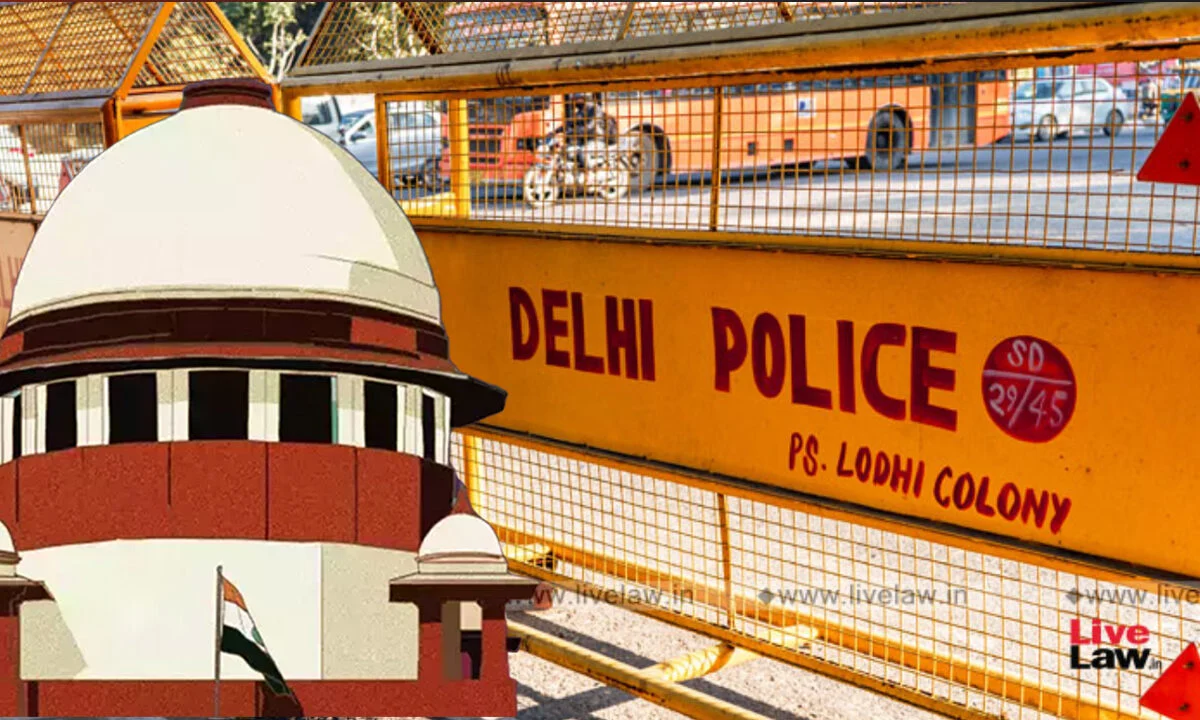
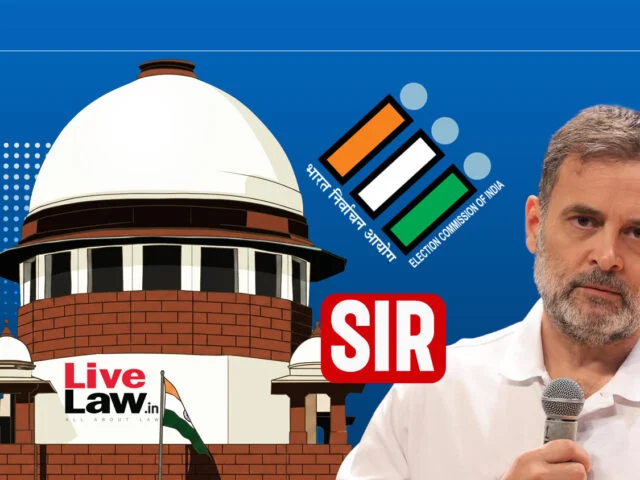
Image: LiveLaw
The Network of Women in Media, India (NWMI) told the Supreme Court on 21 November that the Delhi Police counter-affidavit “itself reveals the extent of the interference complained of” at the 10–11 October protests against the Chief Election Commissioner. The rejoinder answers the police affidavit, which asked the court to dismiss petitions by NWMI, the Free Speech Collective, the Delhi Union of Journalists and the Kerala Union of Working Journalists.
Police Say Journalists Were Not Obstructed
In the affidavit, reported by LiveLaw and Newslaundry last week, Delhi Police said it had “at no point” sought to obstruct journalists doing their work. It said no equipment was seized from any journalist and that the Supreme Court’s 11 October order was not meant to cover “so-called reel makers and social media influencers”. Police said the “predominant intent” of a person at the protest could decide who counts as a journalist, and pointed to an advisory of 5 October asking reporters to carry an employer ID or PIB accreditation and keep a safe distance.
Police also said that some journalists were “removed” under Section 172(2) of the Bharatiya Nagarik Suraksha Sanhita, which lets an officer direct a person to leave a spot.
Also read Delhi BS-VI Only Vehicles: Supreme Court Weighs Ban on Older Cars
NWMI Calls the Reel-Maker Line a “Retrospective Justification”
NWMI argues that Section 172(2) applies only where a person has ignored an earlier lawful direction, and that removing journalists “for verification” does not meet that test. It calls the reel-maker distinction a retrospective justification and says several paragraphs of the affidavit read like a “catalogue of admissions”, according to reports of the rejoinder. On complaints of sexual harassment at the 3 October Jantar Mantar protest, which police said the Crime Branch closed after CCTV checks, NWMI says the closure “reinforces the concern for an inquiry independent of the police force” accused.
Background: The 11 October Order
On 11 October the Supreme Court recorded the Solicitor General’s assurance that lawyers, journalists and other professionals would not be hindered in their duties at the protest. IPB’s earlier report on the Press Council’s safety guidelines for journalists at protests explains the rules reporters are expected to follow, and the INDIA bloc’s charges against CEC Gyanesh Kumar set out the dispute that drew the crowds. More Supreme Court reports are collected on IPB’s tag page.
No Hearing Date Reported Yet
The reports do not give the bench or the next hearing date. The question the affidavit leaves open is who will examine the journalists’ accounts independently of the police force they complain about.
Source: Based on reporting by LiveLaw, Newslaundry and Indian Opinion.
Image: LiveLaw.