IBC Resolution Plan Cannot Be Withdrawn, Supreme Court Rules
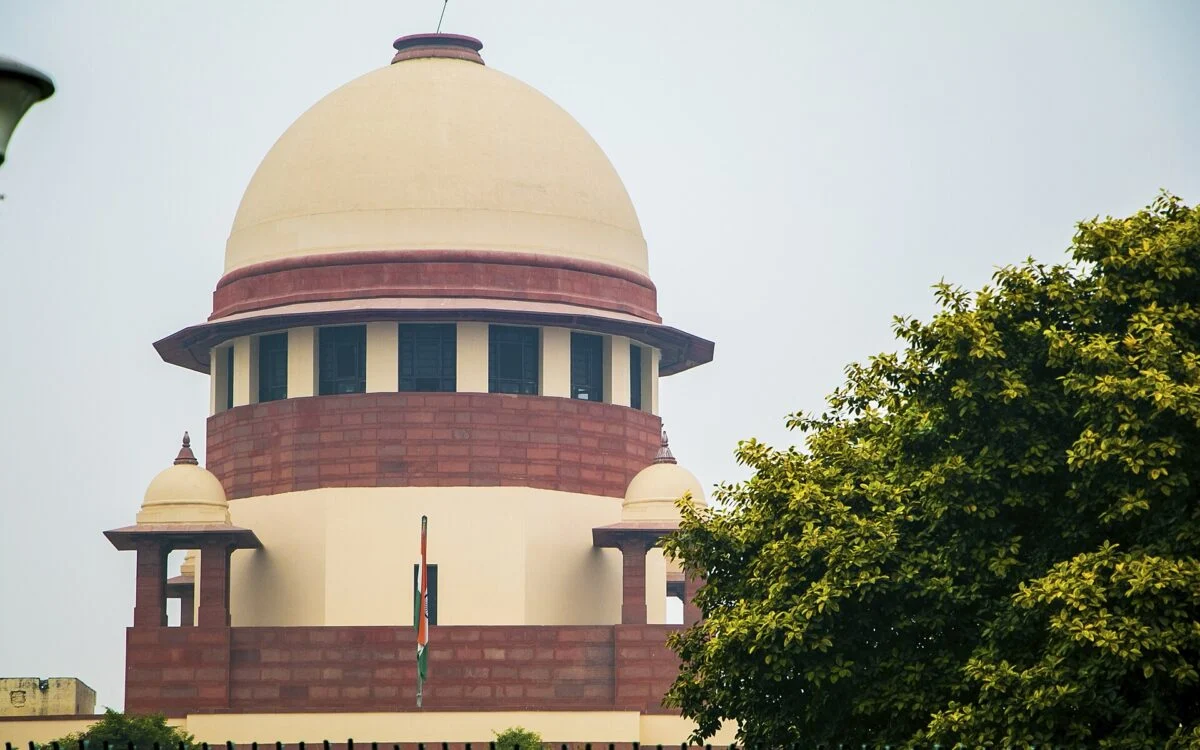
Image: Wikimedia Commons
The Supreme Court ruled on Monday, 26 October, that a committee of creditors (CoC) cannot withdraw a resolution plan it has already approved under the Insolvency and Bankruptcy Code, even if the company’s finances improve while the plan waits for tribunal approval. A bench of Justices JB Pardiwala and K Vinod Chandran, in Bank of India v. S.M. Kamal Pasha, refused to interfere with an NCLAT order and sent the pending applications back to the NCLT.
Lenders Cannot Reopen an Approved Plan
For bidders and lenders, the ruling means a plan approved by the CoC binds both sides once it reaches the adjudicating authority. Justice Chandran, who wrote the judgment, held that the Code has no framework for withdrawing or modifying such a plan, at the request of the CoC or the successful applicant. Section 12A, which allows withdrawal with 90% creditor approval, must be read with Sections 30 and 31, the Court said, so withdrawal is possible only until the plan is approved by the CoC and placed before the tribunal. It relied on its earlier ruling in Ebix Singapore v. Educomp Solutions. “There can be no withdrawal either of the application or the approved Resolution Plan,” the Court said.
Toll Company’s Balance Rose From ₹30 Crore to ₹165 Crore
The CoC had approved a ₹172.55 crore plan from a consortium of applicants when the debtor, a toll-collection business, was weak after the Covid-19 period. While the plan awaited NCLT approval, the company’s opening balance rose from ₹30 crore to ₹165 crore. The CoC argued the applicants would get a windfall, because they would need to bring in far less fresh money, and unanimously sought to withdraw the plan and invite fresh bids. The NCLT agreed. The NCLAT reversed it, and LiveLawBiz reported the debtor as TD Toll Road Pvt Ltd. The Court reserved its verdict on 30 September.
Also read Karnataka Land Acquisition Quashed: Supreme Court Cites Fraud
NCLT to Decide Two Applications Together
The Court said “improved profitability alone cannot be a reason to refuse approval”. It directed the NCLT to hear the plan-approval application and a separate one-time settlement offer from the holding company together, and to decide them quickly. The NCLT must also check the company’s current financial position and cash balance against the plan’s terms under Sections 30(2) and 31(1). The Court called its other observations prima facie. No hearing date has been reported. More court rulings are in Daily Updates.
Source: Supreme Court judgment, Bank of India v. S.M. Kamal Pasha (26 October 2026). Also based on reporting by LiveLaw and LiveLawBiz.
Image: Wikimedia Commons.
Get IPB News first