Anti-Defection Law: Supreme Court Notice on Resigning MPs, MLAs
A PIL asks for a three-month limit on deciding disqualification pleas, so a resignation cannot wipe out a pending anti-defection case.
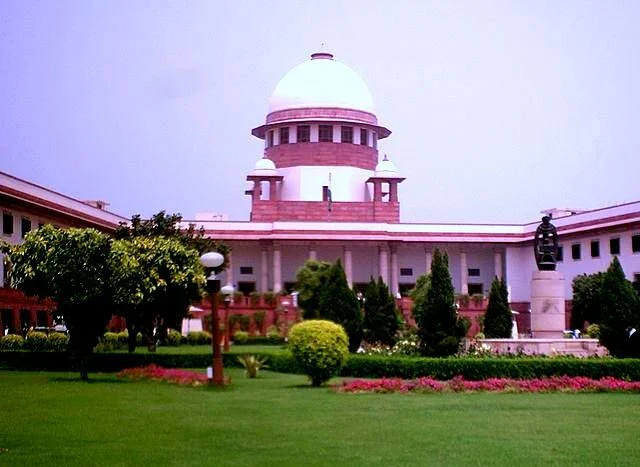
Image: LiveLaw / file photo
The Supreme Court on 23 November issued notice on a public interest litigation that asks for safeguards against MPs and MLAs resigning to escape disqualification under the Tenth Schedule, the anti-defection law. A bench of Chief Justice Surya Kant and Justices Joymalya Bagchi and V Mohana sought replies from the Union Government, the Election Commission of India and the Law Commission of India, according to the court’s order and reports by LiveLaw and NewsX. The petitioner is A. Sethu; the case is A. Sethu v. Union of India, W.P.(C) No. 1459 of 2026.
Resign First, Face Disqualification Never
The petition argues that a legislator facing a disqualification petition can resign, contest again on another party’s ticket and leave the pending case infructuous. It asks that a resignation should not by itself end pending proceedings. Among its other prayers: an outer limit of about three months for presiding officers to decide such petitions, a study of a permanent tribunal, public disclosure of disqualification records, a bar on ministerial posts for members who resign while proceedings are pending, and floor tests alone to decide majorities in hung assemblies.
Three Months Is Already a Court Benchmark
The three-month period comes from the Supreme Court’s own ruling in Keisham Meghachandra Singh, where it said Speakers should decide such petitions within that time. Mr Sethu says his earlier representations to the President, the Prime Minister, the Law Minister, both presiding officers, the Chief Election Commissioner and the Law Commission got no substantive response. The court tagged the case with K. Suthan v. Union of India, which concerns recovering election expenditure from a candidate who resigns and recontests for another party.
Also read NWMI Tells Supreme Court Police Affidavit Admits Press Interference
Replies Awaited From the Centre and ECI
No date for the next hearing appeared in the reports. Until the Centre, the Election Commission and the Law Commission respond, the court has made no change in how resignations are treated. Read IPB’s earlier coverage under the Supreme Court tag, including the Kolkata civic polls hearing.
Source: Supreme Court order of 23 November 2026. Also based on reporting by LiveLaw and NewsX.
Image: LiveLaw / file photo.