Delhi AQI 368 After Diwali: 15 Stations Hit Severe, Burari at 441
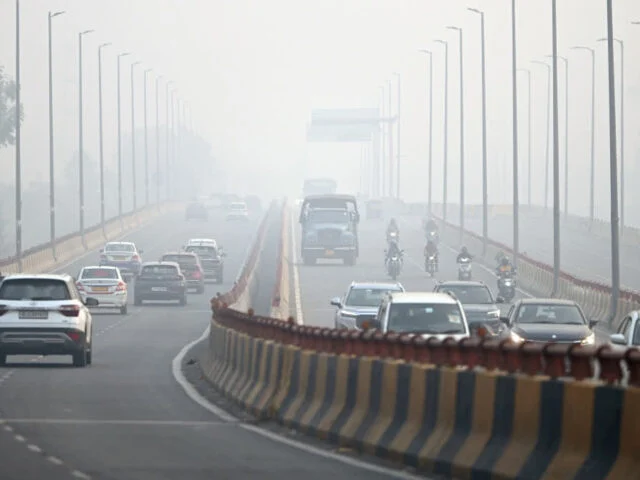
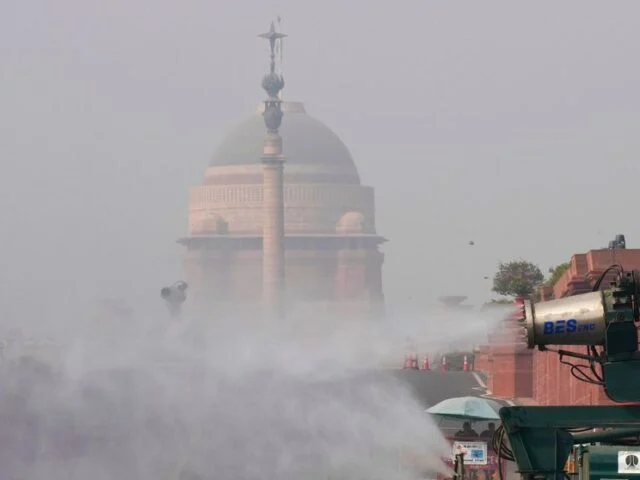
Delhi-NCR residents woke to very poor air, with GRAP Stage III already in force and a severe spell forecast for several days.
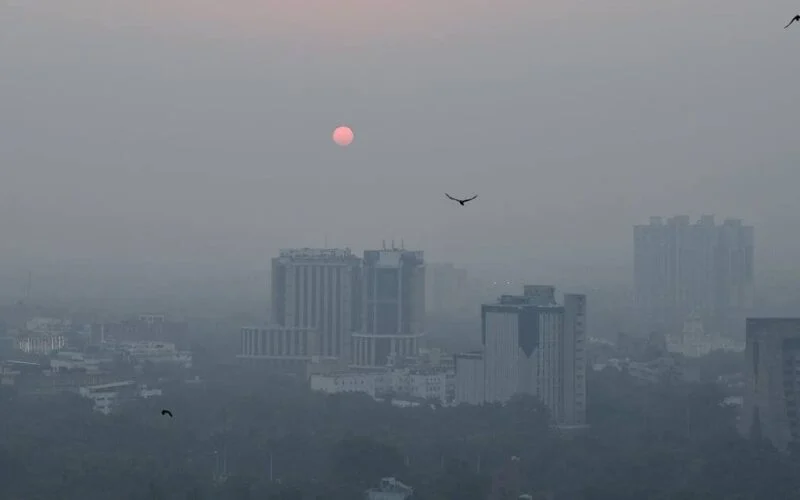
Image: PTI / Business Standard
Delhi’s air quality index stood at 368, in the “very poor” band, at 7 am on Monday, 9 November, the morning after the second Diwali night of firecracker use, according to real-time data from the Central Pollution Control Board (CPCB). Of 54 monitoring stations with valid readings, all were above 200, 50 were above 300 and 15 recorded “severe” air above 400. PM2.5 was the main pollutant, and the Commission for Air Quality Management (CAQM) has kept Stage III of the Graded Response Action Plan (GRAP) in force since 6 November.
Burari and Sonia Vihar Top the Chart at 441
The worst readings at 7 am were at Burari Crossing and Sonia Vihar, 441 each, followed by Vivek Vihar at 437 and Delhi Technological University at 434. North Campus (Delhi University) and Jahangirpuri each read 433, Rohini 430 and Bawana 424.
The rest of the region was only marginally better. Bahadurgarh logged 389, Ghaziabad 366, Noida 340, Faridabad 334 and Gurugram 316. Across 288 cities in the CPCB’s national list, Khora in Uttar Pradesh was the highest at 400, while Aizawl in Mizoram was the cleanest at 19.
Also read Delhi Air Quality: AQI 331, GRAP-II Curbs in Force, Jahangirpuri 449
Crackers Went on Past the 10 pm Limit
The Supreme Court had allowed only certified green crackers in restricted windows on 7 and 8 November, and set a 10 pm cut-off. Business Standard, citing PTI, reported that firecrackers continued to be burst beyond that deadline and that conventional crackers were also reportedly used. IPB News had earlier reported the court’s order on the 7-8 November green cracker window and the Diwali-evening AQI of 376, when 12 stations were already severe.
Data from the Delhi Pollution Control Committee showed PM2.5 at Akshardham touching about 761 micrograms per cubic metre at 11 pm on Sunday. That is an hourly peak, and the World Health Organization’s guideline of 15 micrograms is a 24-hour average, so the two numbers are not a like-for-like comparison.
Severe Spell Forecast for the Coming Days
The Air Quality Early Warning System has forecast “severe” air from 9 November for several days. IMD has forecast dry weather over Delhi till 12 November, as noted in IPB’s weather report, which leaves little rain or wind relief in sight. More reports on the capital’s smog are collected under the Delhi air pollution tag.
Source: CPCB real-time AQI data. Also based on reporting by Business Standard (PTI).
Image: PTI / Business Standard.
Get IPB News first