Delhi Air Quality: AQI 331, GRAP-II Curbs in Force, Jahangirpuri 449
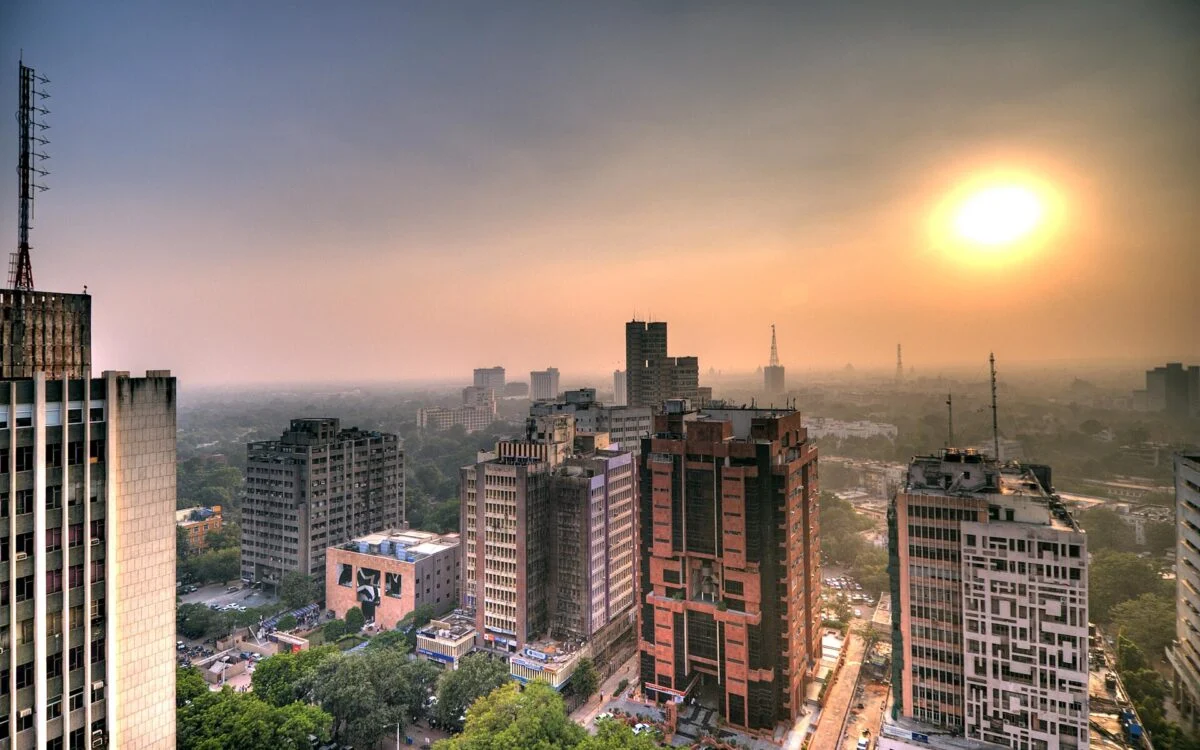
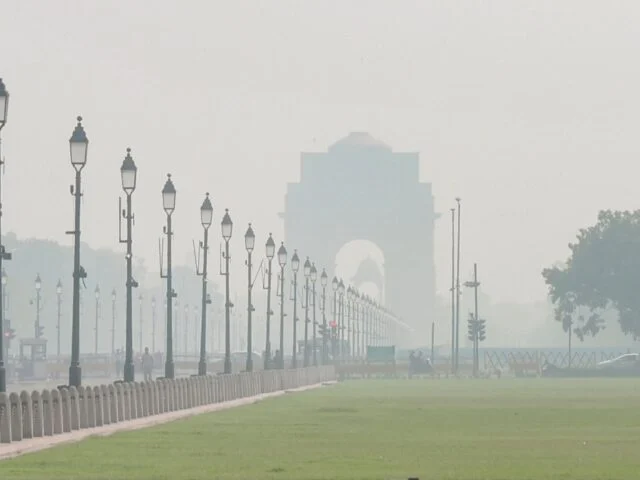
Image: Wikimedia Commons (file photo)
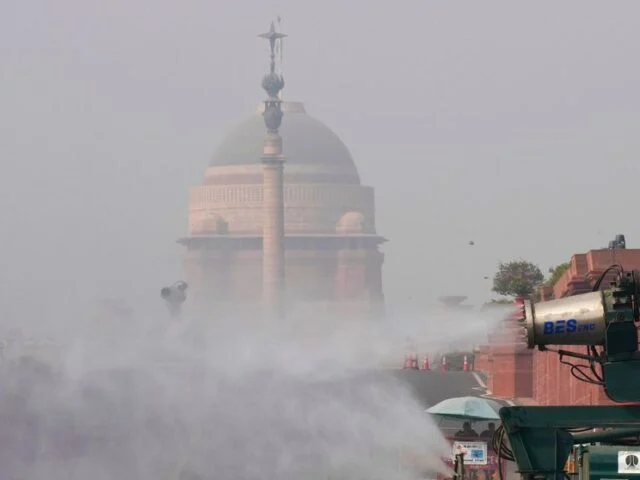
Updated 12:05 PM IST, 3 November: Delhi’s AQI rose to 331 at 7 am on Tuesday, up from 307 a day earlier, and the Commission for Air Quality Management (CAQM) has invoked Stage II of the Graded Response Action Plan across Delhi-NCR “with immediate effect”, Business Standard reported. The order came on Monday after the AQI reached 324 at 4 pm, with the commission citing unfavourable weather and forecasts from the IMD and IITM. Of 58 CPCB stations, 57 were above 200, 41 above 300 and eight above 400 in the “severe” band. Jahangirpuri was worst at 449, followed by Rohini at 429, Punjabi Bagh at 424, Alipur at 413 and Vivek Vihar at 410. Stage II adds more mechanised road sweeping, water sprinkling with dust suppressants, anti-smog guns, higher parking fees and tighter limits on diesel generator sets. The IMD and IITM expect air quality to stay “very poor” over the next few days.
Delhi’s air quality index (AQI) stood at 307, in the “very poor” band, at 7 am on Monday, 2 November, according to real-time Central Pollution Control Board (CPCB) data cited by Business Standard. Of 58 monitoring stations with valid readings, 53 were above 200 and 37 were above 300. The expanded winter curbs came into force on 1 November.
Jahangirpuri at 417, Tikri Kalan at 159
Jahangirpuri was the worst station at 417, in the “severe” band, followed by Punjabi Bagh at 398 and Rohini at 397. Tikri Kalan was the cleanest in Delhi at 159. Noida recorded 308, slightly above Delhi, while Ghaziabad stood at 276, Gurugram at 225 and Faridabad at 118. Baghpat and Gajraula, both in Uttar Pradesh, tied for the highest reading nationally at 358.
Also read Delhi Air Quality Improves to 223 ‘Poor’ on Thursday; Stubble Share Rises
What the Winter Curbs Mean on the Road and at Work
From 1 November, non-BS-VI vehicles registered outside Delhi, other than CNG and electric ones and some exempt categories, face restrictions on entering the city. The “No PUC, No Fuel” rule requires a valid pollution-under-control certificate at petrol pumps. Government and private offices are to run at 50 per cent in-person attendance, with staggered timings for government offices, and parking charges at authorised sites are rising. Dust-generating demolition and outdoor construction are restricted from 1 November to 31 January, with exemptions for essential public infrastructure.
The Centre’s order for the National Capital Region also halts construction and demolition completely from 5 to 20 November. The revised Graded Response Action Plan tightens vehicle restrictions and moves some curbs on buses and diesel generator sets to an earlier stage. Business Standard did not say which GRAP stage is active today. IPB’s explainer on the rules is in Delhi pollution curbs from 1 November, and the earlier readings are in Delhi GRAP-I imposed as AQI rises to 244.
Construction Halt Starts 5 November
The complete NCR construction halt begins on 5 November. The article carried no forecast for the coming days, so whether the readings ease or worsen before then is not yet clear.
Source: CPCB air quality index, real-time data. Also based on reporting by Business Standard and Business Standard (3 November).
Image: Wikimedia Commons (file photo).
Get IPB News first