Delhi Air Pollution 2026: Why Stubble Burning Keeps Coming Back, and Why Schools Are Curbing Outdoor Sport
Delhi’s smog season so far
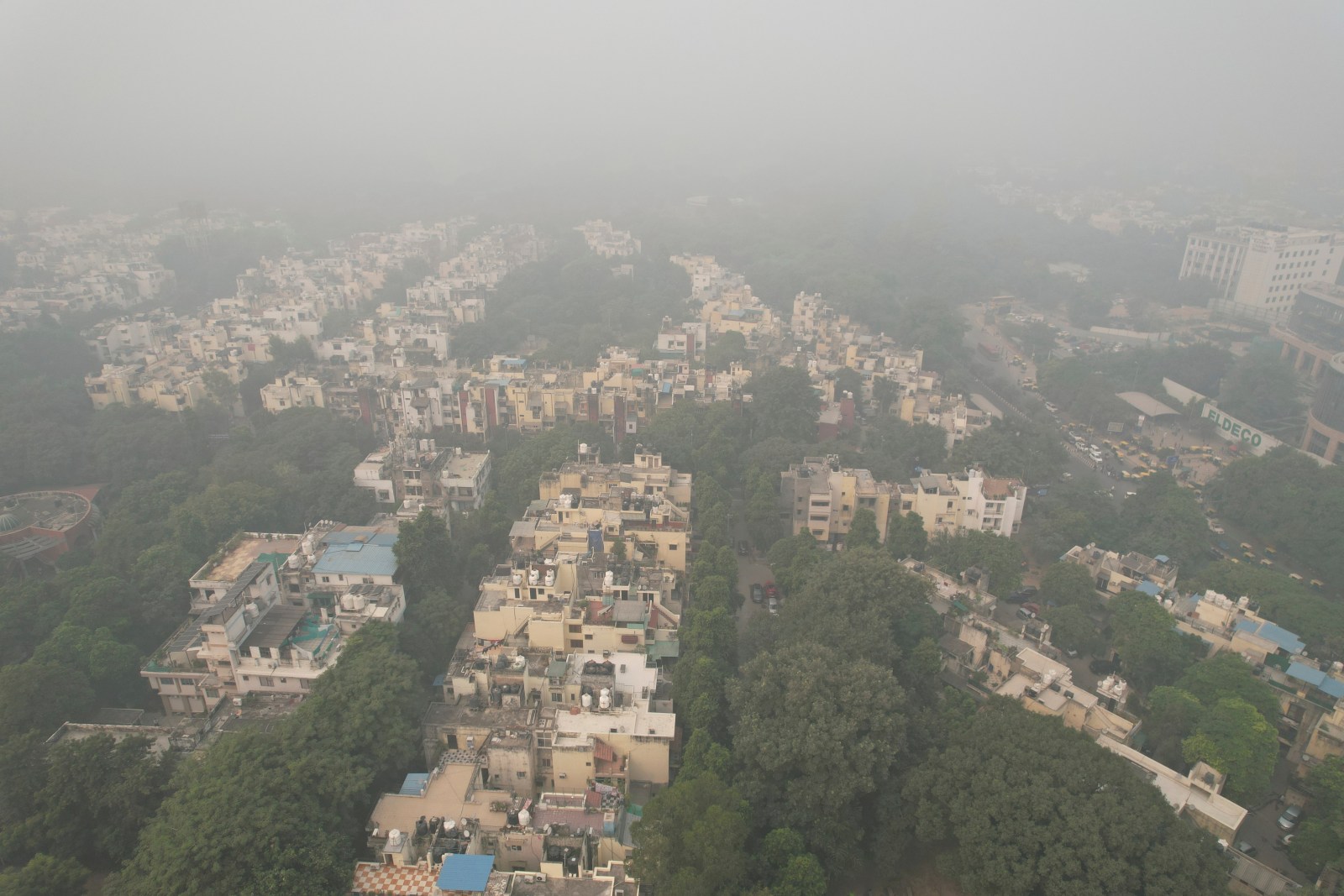
- On 19 October 2026 Delhi–NCR’s average air was “moderate”, but pockets such as Loni (243), Knowledge Park III (225) and Jahangirpuri (217) were already “poor”.
- Farm fires are moving south: from 15 September to 6 October, Madhya Pradesh logged 118 fires, ahead of Punjab’s 88, its lowest for that period in seven years.
- Punjab is now catching up. By 13 October it had 174 fires, up from 126 at the same point last year.
- After the Supreme Court and Delhi High Court stepped in last winter, Delhi has promised to finish all state school games by October 2026, before the smog peaks.
- Under the revised GRAP, schools can move to hybrid classes only at Stage III or IV, and only on an official order.
Every October, Delhi–NCR goes through the same routine. The monsoon leaves, winds slow down, temperatures fall, and the air quality index (AQI) starts creeping up. By early November, the capital is usually among the most polluted cities in the world. The 2026 season has just begun, and the early numbers show both what has changed and what has not.
Where Delhi’s air stands now
On Monday, 19 October, the region’s average AQI was in the “moderate” band. Several hotspots had already crossed 200, the line for “poor”: Loni in Ghaziabad at 243, Knowledge Park III in Greater Noida at 225, and Jahangirpuri in Delhi at 217. Forecasts suggested the air could slip further by evening. As of that morning, no new order from the Commission for Air Quality Management (CAQM) invoking a GRAP stage had been reported.
For comparison, last year Stage I of the Graded Response Action Plan (GRAP) was in force from 14 October 2025. Stage II followed on 19 October, when Delhi’s AQI crossed 300 and Anand Vihar touched 430. By 18 January 2026, the CAQM had invoked Stage IV, the strictest level, as the AQI crossed 400.
What the revised GRAP rules say
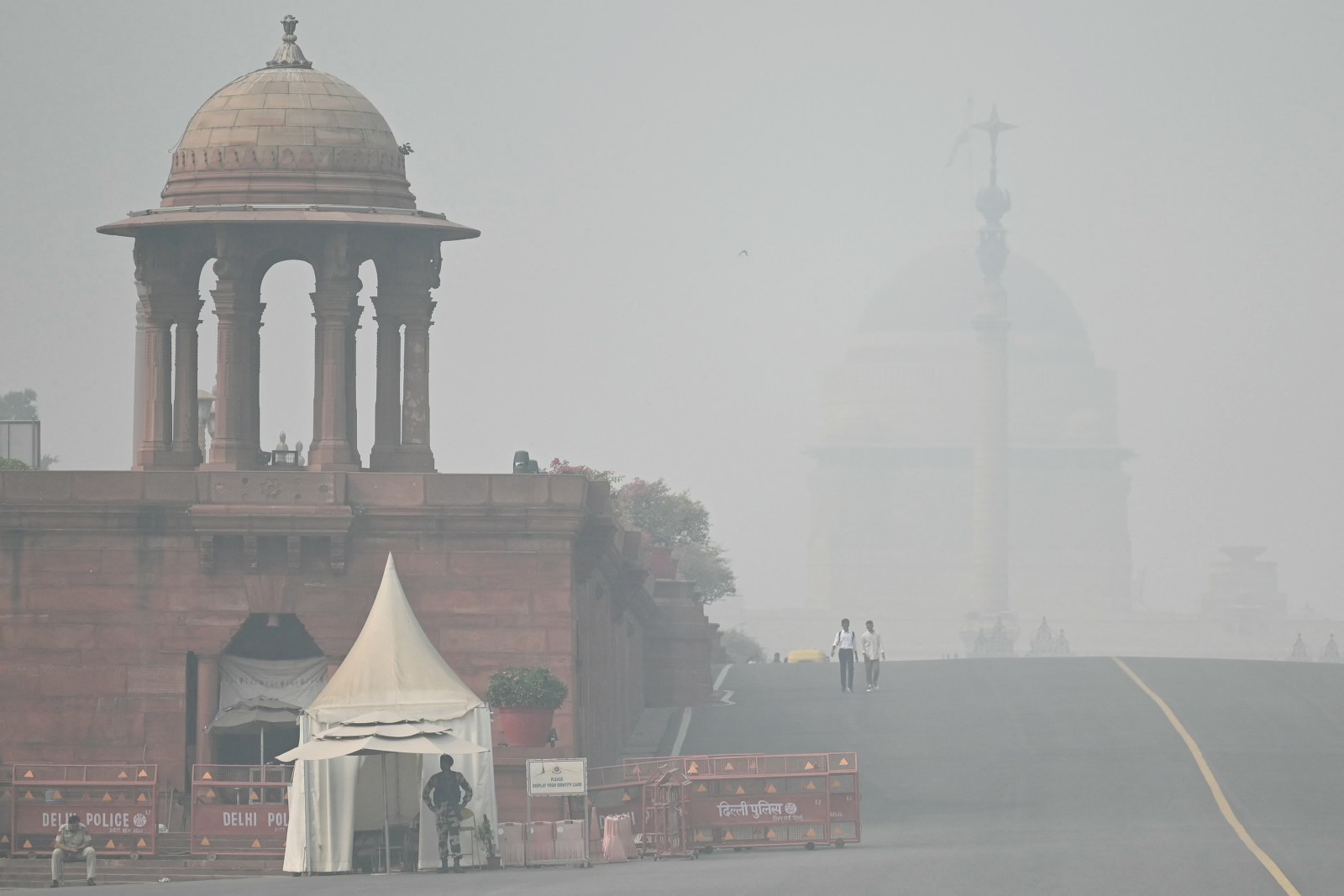
The government approved changes to the GRAP schedule at the end of September 2026. The plan still has four stages, triggered by AQI:
- Stage I (Poor, 201–300): mechanised road sweeping, water sprinkling, dust control at construction sites and curbs on open waste burning.
- Stage II (Very Poor, 301–400): tighter limits on diesel generators and higher parking fees.
- Stage III (Severe, 401–450): wider construction and vehicle curbs; junior classes may shift to hybrid mode.
- Stage IV (Severe+, above 450): the strictest measures, including hybrid learning for schools and changes to office working arrangements.
Enforcement has started early. The CAQM ran an “Operation Clean Air” inspection drive along Delhi’s Ring Road on 4 October, and sent notices to transport departments in Uttar Pradesh and Rajasthan on 8 October.
Why stubble burning keeps coming back
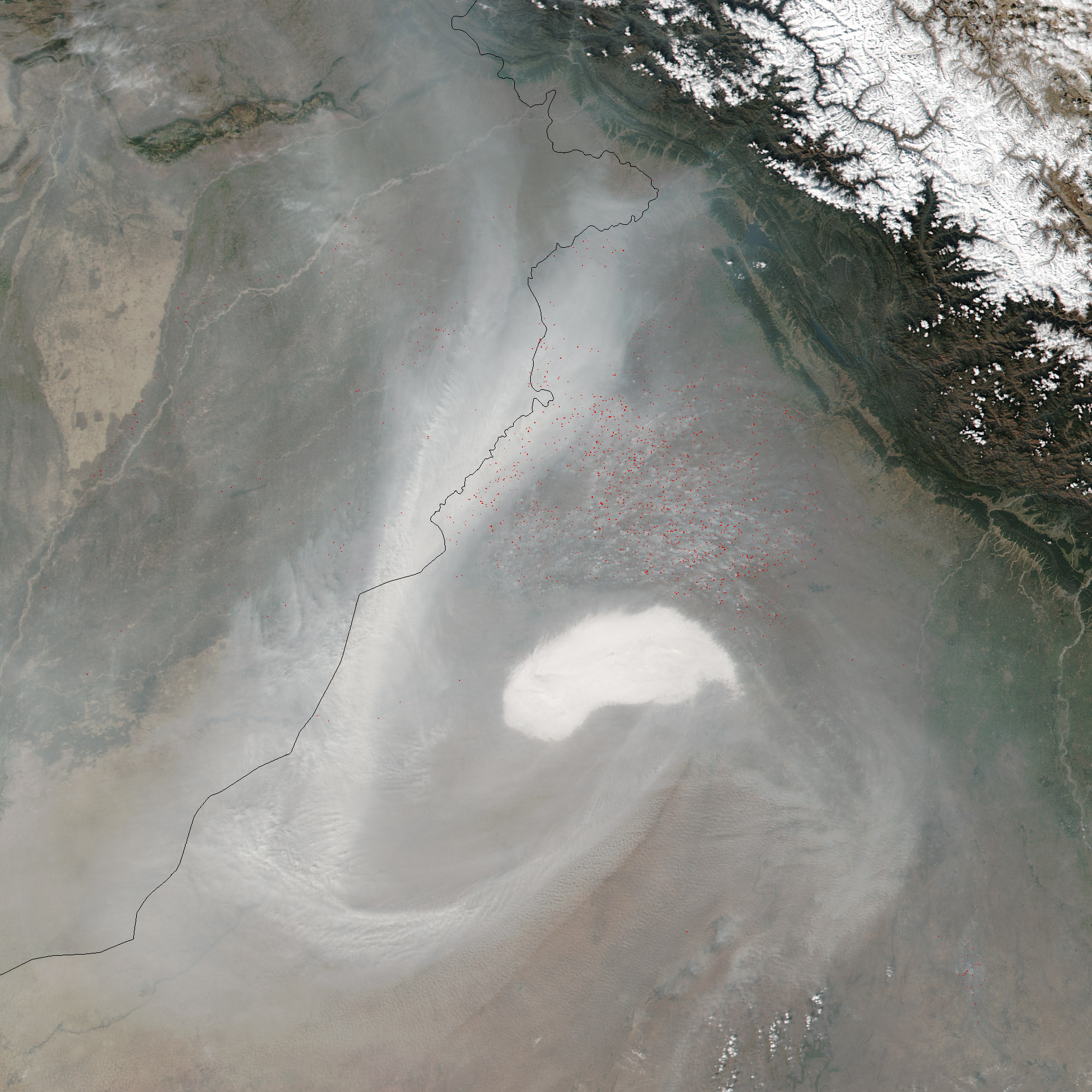
The reason is the calendar. In the rice–wheat belt, farmers harvest paddy in October and have only a few weeks to clear the field before sowing wheat. Machines that cut and mix the leftover straw into the soil cost money and time. A matchstick costs neither. Despite fines, subsidised machines and satellite monitoring, burning remains the cheapest option for many small farmers.
What is new is where the fires are. Satellite data from the Indian Agricultural Research Institute’s CREAMS lab show 287 fires across seven states between 15 September and 6 October 2026. Madhya Pradesh led with 118, followed by Punjab with 88 and Uttar Pradesh with 65. Punjab’s figure is its lowest for that period in seven years. In the full 2025 season, Madhya Pradesh recorded 17,067 of the 33,028 fires detected, more than half. Experts quoted by Down To Earth say farmers there are shifting from soybean and pulses to paddy and burning the stubble after harvest.

Punjab is not out of the picture, though. Its fires fell from 10,909 in 2024 to 5,114 in 2025, but this season has started faster. By 13 October the state had 174 cases, against 126 a year earlier, with 51 in a single day. Amritsar (77) and Tarn Taran (61) account for most of them, which officials link to early-maturing paddy varieties. Union Environment Minister Bhupender Yadav has asked for tighter ground monitoring in districts such as Sangrur, Tarn Taran, Amritsar, Patiala and Gurdaspur in Punjab, and Kaithal, Karnal and Kurukshetra in Haryana. For this winter the CAQM has also issued rules for monitoring with drones.
Stubble smoke is only one part of Delhi’s problem. Vehicles, construction dust, industry and waste burning pollute all year. Smoke from farm fires adds to that load in the weeks when calm, cold air traps it close to the ground.
The curb on outdoor activities in schools

Children breathe faster than adults and spend more time running outdoors, so their exposure is higher. Last winter, the courts said this out loud. On 19 November 2025, a Supreme Court bench of then Chief Justice B R Gavai and Justice K Vinod Chandran asked the CAQM to issue directions against outdoor sports in Delhi–NCR schools and “to shift such sports competition to safer months.”
The CAQM then advised schools in Delhi–NCR, Haryana, Rajasthan and Uttar Pradesh to reschedule sports events planned for November and December. On 14 December 2025 it went further, directing NCR governments to postpone physical sports competitions and to tell schools and sports bodies to stop outdoor physical sports, saying “adverse air quality poses a serious risk to the health of children.”
A petition filed by a group of students in the Delhi High Court has turned this into a calendar change. Justice Sachin Datta observed that children should not be made to play outdoor sports during severe pollution and directed authorities to revise the sports calendar. The Delhi government then told the court that “all games end in October 2026”. That means every Delhi State School Games event must finish before the peak smog months. A Directorate of Education circular warns physical education staff of action if they do not follow the schedule.
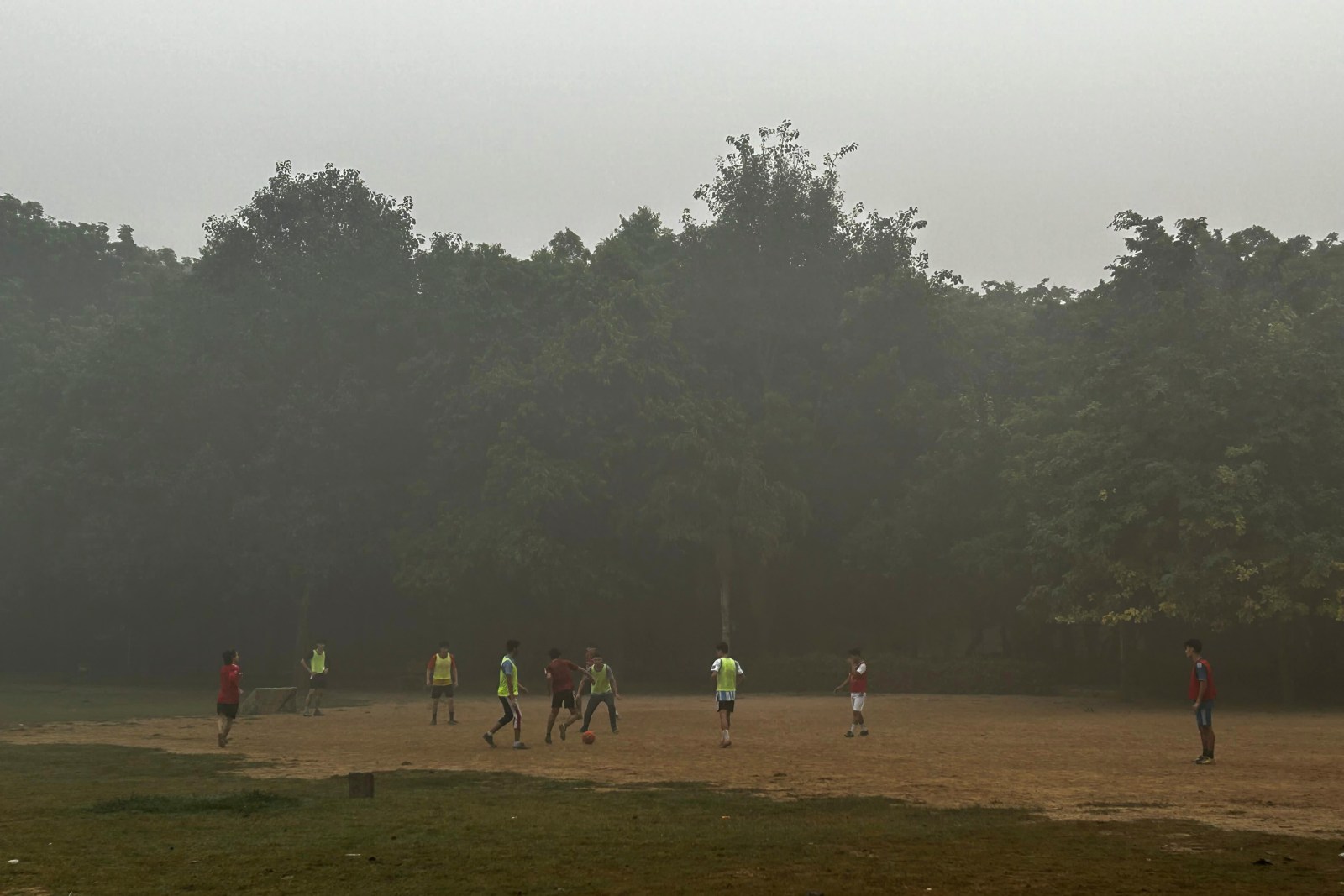
Under GRAP, school closures or hybrid classes are not automatic. They apply only at Stage III or IV, and only when an official order says so. Parents should check orders from the CAQM, the Directorate of Education or their district administration rather than forwarded messages.
What needs to change
Moving school games to October protects children, but it treats the symptom. Fewer fires in Punjab show that monitoring and machines can work. The rise in Madhya Pradesh shows the problem moves when crop choices change. A lasting fix needs crop diversification away from water-hungry paddy, a working market for straw, year-round action on vehicles and dust, and a pollution plan that covers the whole Indo-Gangetic plain rather than just the capital.
Frequently asked questions
What is GRAP?
The Graded Response Action Plan is a set of anti-pollution measures for Delhi–NCR. The CAQM switches stages on and off depending on the AQI.
Are Delhi schools closed because of pollution?
Not as of 19 October 2026. Hybrid or online classes apply only at GRAP Stage III or IV, and only after an official order.
How do I check the AQI near me?
Use the CPCB’s SAMEER app or the CAQM website. The IMD–IITM early warning system gives forecasts one to three days ahead.
Sources: Careerindia (19 Oct AQI), NationPath India (GRAP 2026), Down To Earth (CREAMS data), Rozana Spokesman (CAQM Punjab data), The Tribune (Supreme Court), The Tribune (GRAP 2025), All India Radio (CAQM sports order), All India Radio (Stage IV), The News Mill (Delhi HC).