Delhi AQI 321 Very Poor on 12 November: NSUT Jaffarpur Hits 399
Delhiites in the north and west of the city breathed the worst air this morning, and Stage III curbs on construction and vehicles remain in place.
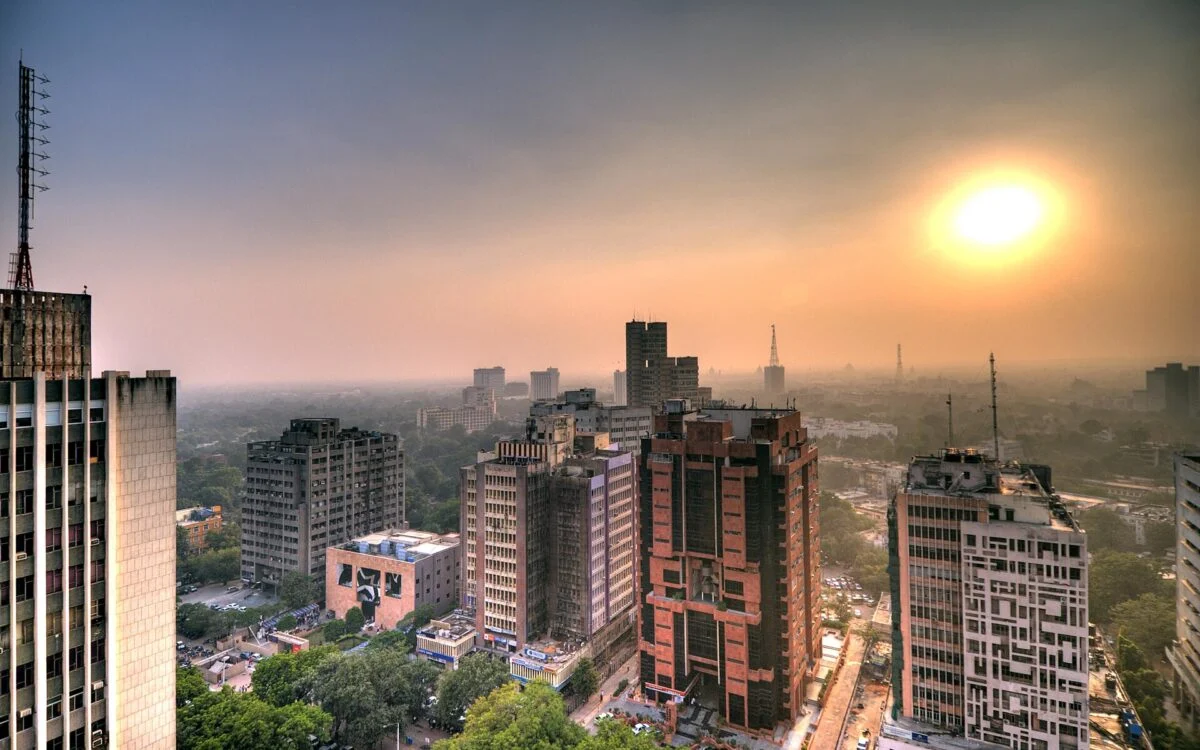
Image: Wikimedia Commons
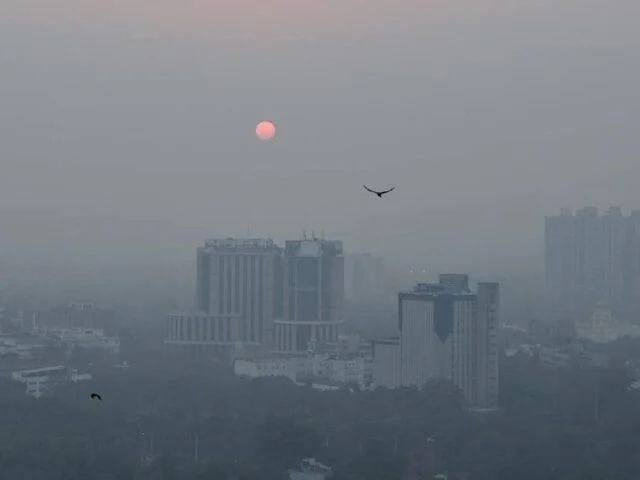
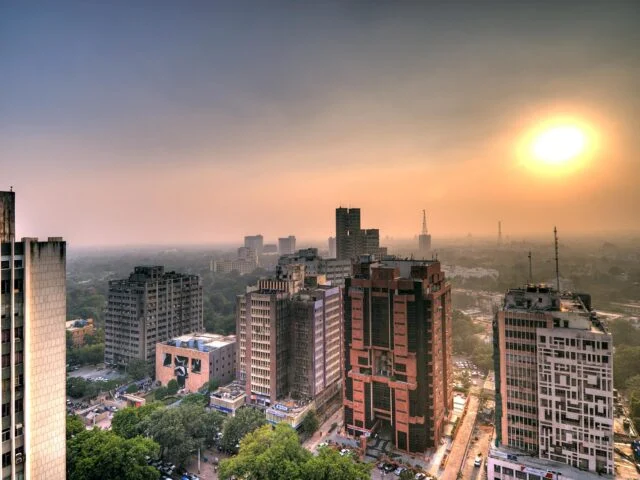
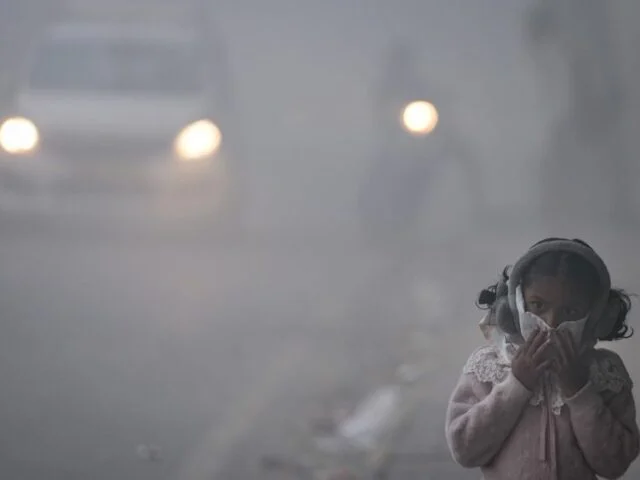
Delhi woke up to “very poor” air on Thursday, 12 November, with a citywide Air Quality Index (AQI) of 321 at 7 am, according to Central Pollution Control Board (CPCB) data. PM10 and PM2.5 were the main pollutants, and the haze came four days after Diwali, with temperatures falling and moderate fog over the city.
North and West Delhi Breathe the Worst Air
Among CPCB stations, NSUT Jaffarpur recorded 399, just short of the “severe” band that begins above 400. Chandni Chowk read 387, Pusa (IITM) 386, NSIT Dwarka 383 and JNU 378. Punjabi Bagh was at 371, Chhawla 368 and CRRI Mathura Road 365. Cleaner pockets included Maidan Garhi and Mandir Marg at 289 and Karala at 256. Lodhi Road and Badarpur reported no readings in the data.
The Delhi government is deploying water sprinklers on roads, according to ANI. For comparison, Mumbai’s AQI was 146, in the “moderate” band, in the same CPCB data.
Also read Delhi Air Quality: AQI 331, GRAP-II Curbs in Force, Jahangirpuri 449
Stage III Curbs Since 6 November
The Commission for Air Quality Management (CAQM) invoked Stage III of the Graded Response Action Plan (GRAP) across Delhi-NCR on 6 November, three days before Diwali. The stage covers Delhi and the adjoining districts of Haryana, Uttar Pradesh and Rajasthan. It stays in force until CAQM revokes it, and the commission bases its calls on forecasts from the India Meteorological Department (IMD) and the Indian Institute of Tropical Meteorology (IITM).
CAQM met a delegation of the Aam Aadmi Party on 11 November about Delhi’s pollution, ANI reported. IPB News has also covered how CPCB explains the gap between its readings and private apps and the post-Diwali spike when 15 stations touched the severe band.
Wind and Temperature Decide the Next Few Days
The next change in the AQI will depend on wind speed and overnight temperatures, which govern how quickly smoke and dust disperse. Readers can track the running coverage on the Delhi air pollution page. CPCB publishes the hourly station-wise figures on its air quality dashboard.
Source: CPCB air quality index dashboard. Also based on reporting by ANI.
Image: Wikimedia Commons (file photo).
Get IPB News first