Maharashtra Moneylenders Must Show Licence in Cheque Bounce Cases
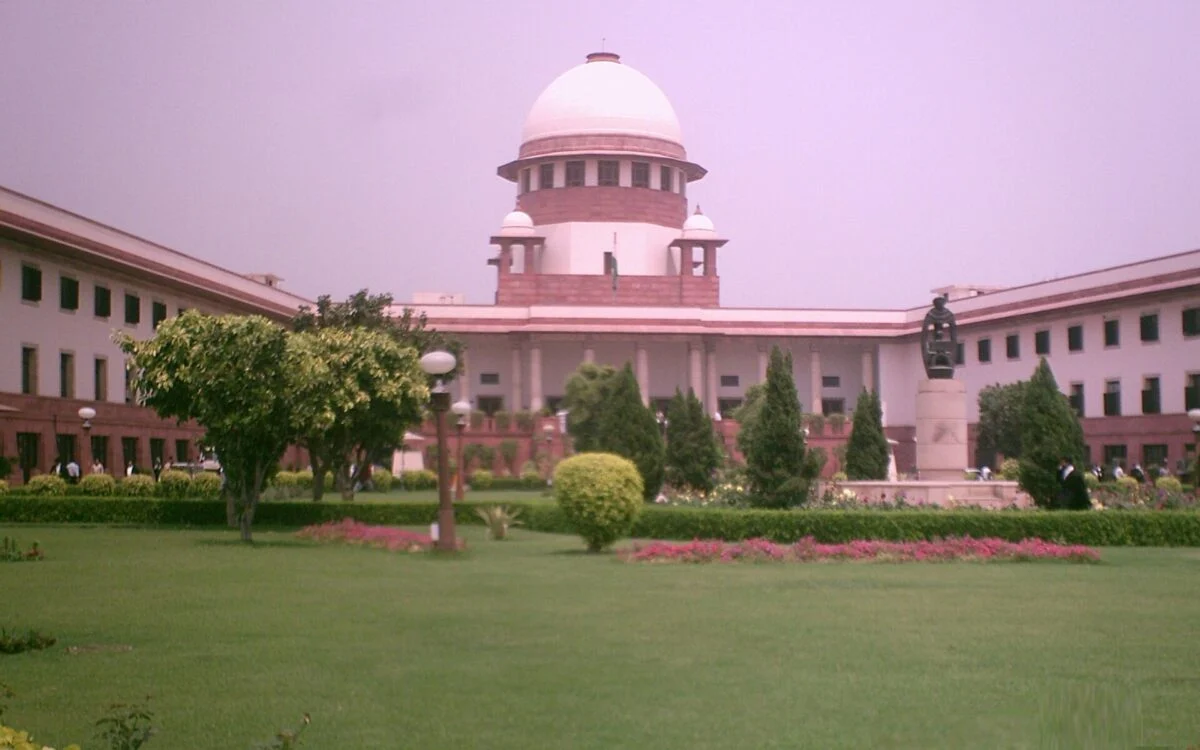
Image: Wikimedia Commons
A moneylender in Maharashtra has to show a valid licence at the very start of a cheque bounce or recovery case, the Supreme Court said in a judgment dated Thursday, 29 October, reported by LiveLaw on 30 October. A bench of Justices Prashant Kumar Mishra and N.V. Anjaria declined to clarify its May ruling in Mansi Finance (Chennai) Ltd. v. M. Lalitha, saying that decision dealt only with Tamil Nadu’s law and is not a nationwide precedent for unlicensed lenders.
Licence First, Cheque Case Later
The application was filed by Vyomesh Mahipatray Shah, who feared that unlicensed lenders in Maharashtra would use the May judgment to file complaints under Sections 138 and 141 of the Negotiable Instruments Act over loans backed by promissory notes. Justice Mishra, who wrote the judgment, said the lender “has to produce a licence to satisfy the Court at the threshold.”
For borrowers, this means a cheque bounce notice from a lender who holds no licence can be challenged at the first hearing, before the dispute over the money itself is argued.
Also read Maharashtra SIR: Supreme Court Seeks EC Reply on 3 Crore Deletions
Why Maharashtra’s Law Differs From Tamil Nadu’s
The May ruling turned on the Tamil Nadu Money-Lenders Act, 1957, which leaves advances against negotiable instruments out of the definition of a loan. Maharashtra’s Money-Lending (Regulation) Act, 2014 treats an advance against a promissory note as a loan. Section 4 bars lending without a licence, and Section 13 makes loans given in violation of the Act unenforceable. Such a debt is not a legally enforceable debt for the purposes of Section 138.
Trial Courts Will Decide Individual Cases
The court did not rule on any particular loan. Parties can raise the Section 13 bar before the trial court or higher courts where their cases are pending, and each plea will be examined on its facts.
More court stories are in Daily Updates, including the ₹375 crore SBI settlement ruling.
Source: Supreme Court judgment, 29 October 2026. Also based on reporting by LiveLaw.
Image: Wikimedia Commons.
Get IPB News first