Effective therapeutic diet, to keep Corona at bay
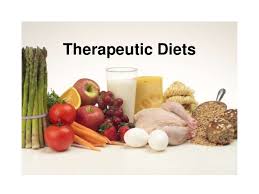
Though this section of our blog is about fun with food, today, we the members of the India People Blog, have brought to you some therapeutic modifications in diet. Owing to the upsurge in Corona cases countrywide, proper diet therapy plays a crucial role in curing the common symptoms of the coronavirus, which are listed below:
Most common symptoms: fever, dry cough, tiredness
Less common symptoms: aches and pains, sore throat, diarrhoea, conjunctivitis, headache, loss of taste, or smell.
Diet has special importance in modern medicine. This is because the activity level of various organs gets changed during illness and nutritional requirements of the body also get changed accordingly.
Principles of Diet Therapy:
1.Type of disease: It is essential to determine the diet in accordance with the disease otherwise it may have adverse effects.
2. Duration of disease: The diet should be planned after determining the duration of the disease whether it is a long or short duration.
3. Selection of food products according to the disease: The amount and type of food should be changed after analyzing the modification required in food products for curing the disease.
4. Psychology of the patient: Dieticians should take care of the psychological factors of the patient. His whole personality should be considered as one unit, that is, his emotional, economic status, social status, etc. should be kept in mind.
Diarrhoea and it’s causes:
In Diarrhoea, absorption and digestion of nutrients are lowered considerably. This disease is very common among children and old persons.
Causes of Diarrhoea:
1. Malnourishment: Malnourished children develop many deficiencies in them like, protein-calorie deficiency, vitamin deficiencies, etc. Under such conditions, the body is more susceptible to infections because of lower immunity and a weak digestive system.
2. Unhealthy environment: Contaminated food and water are the main causes of diarrhoea. Flies are the carriers of the disease. This disease is common in the summer and rainy season.
3. Food allergy: Sensitivity to a particular food is known as a food allergy. Eg. If a person is allergic to egg, spinach, brinjal, etc, then their intake may lead to acute diarrhoea.
4. Drugs: Some people are sensitive to certain drugs and their use leads to diarrhoea. Eg. Sensitivity to antibiotics, chloroquine, etc.
Diet in Diarrhoea:
Maintaining nutritional status is a big problem in diarrhoea.
Energy: Considerable loss of energy demands a sufficient intake of calories. To meet the calorie requirements, easily digestible carbohydrates rich foods like fruit juices, suji kheer, boiled rice, etc, should be given to the patient.
Proteins: Proteins are lost in a considerable amount in Diarrhoea. Unavailability of a sufficient amount of proteins in the body first leads to the disintegration of tissue proteins and then the usage of blood protein.
Fats: Fats and fat-rich foods are restricted to the diarrhoea patient because the intestines are incapable of absorbing them.
Vitamins: Deficiency of water-soluble vitamins in the body is caused by the loss of water in Diarrhoea. Hence, fruit juices must be added to the diet of the patient.
Minerals: Loss of sodium and potassium leads to their deficiency diseases, like- loss of appetite, vomiting, restlessness, loss of flexibility in the muscles of the alimentary canal, etc.
Water: A lot of water is excreted out in Diarrhoea. Patients should be given liquids in the form of mineral water, soups, lemon water, barley water, etc. Oral Rehydration Solution should be given to prevent dehydration.
Fever: An increase in the body temperature above normal is generally referred to as a fever. There is an increase in the rate of metabolic activities in fever. It is one of the most common symptoms of the corona.
Diet in fever:
The diet in fever depends upon the type, severity of the condition, and the length of convalescence.
Energy: Calorie requirement increases approximately by 50% during fever. The Calorie needs depend upon the loss of tissues and the temperature.
Carbohydrates: To meet the increased demand for energy and to restore glycogen in the body, an increased amount of carbohydrates should be given to the patient. For this, glucose, honey, sugar, etc can be added to the diet.
Fats: Fried and fat-rich foods should be avoided in fever. But to meet the energy requirements, easily digestible simple fats like butter, cream, etc should be given to the patient.
Proteins: Breakage of tissues in fever leads to a high requirement of protein. 100 grams or more of proteins should be given to the patient to make up this loss.
Minerals: In fever, a considerable amount of salts like sodium and potassium are lost from the body, due to the excretion of water. Loss of sodium is made up by adding salt to juices, soups, vegetables, etc. Fruit juices, vegetable soups, and milk are good sources of potassium.
Vitamins: Increased amount of vitamin A, ascorbic acid, (Vitamin C), and Vitamin B-complex should be included in the diet because of increased metabolic activities and decreased vitamin synthesis due to antibiotics in the body.
Liquids: Two and a half, to five litres of liquids per day should be given to the patient suffering from fever. The requirement of liquid is more in summer as compared to winter.
Diarrhoea and fever, associated with headaches, dry cough, sore throat, tiredness, along with loss of taste or smell are the primary symptoms of the corona. If detected at an early stage, a proper cure is possible.
For more updates on COVID19 visit https://ipbnews.in/category/natural-disaster/
Update by Arunima Dutta