Unclaimed Deposits of the Dead: Supreme Court Reserves Order
Families hunting for a dead relative's forgotten savings may get one place to search, if the court agrees; for now they must use several portals.
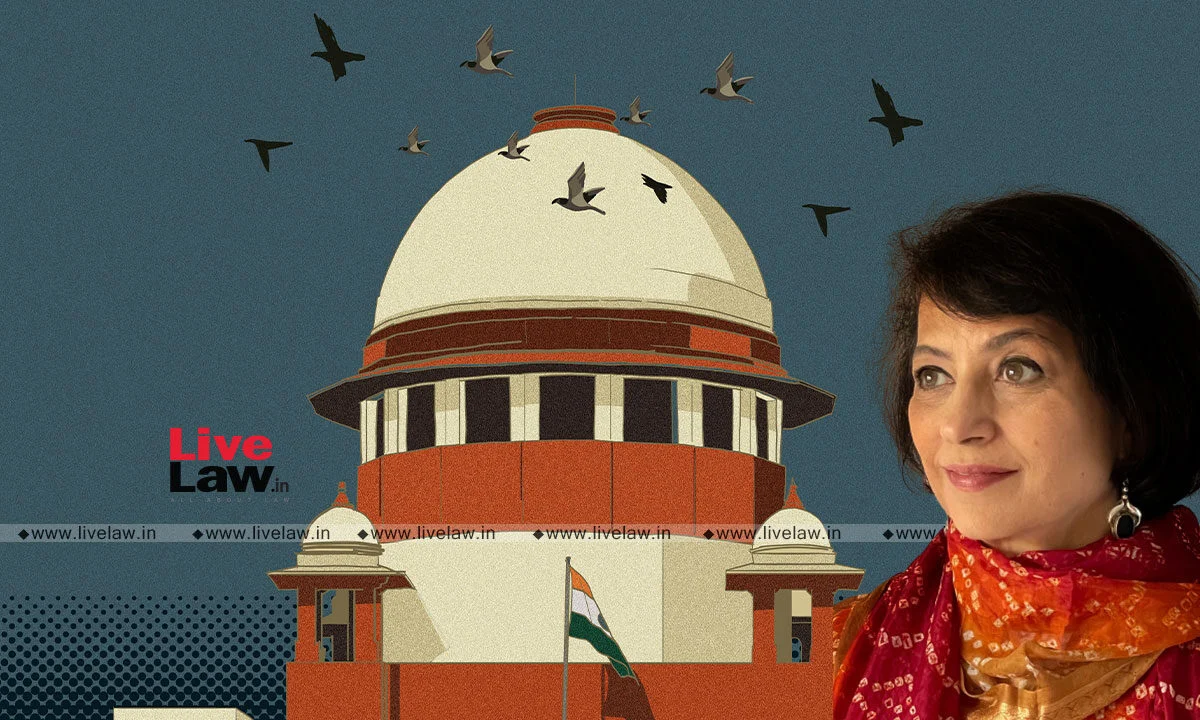
Image: LiveLaw
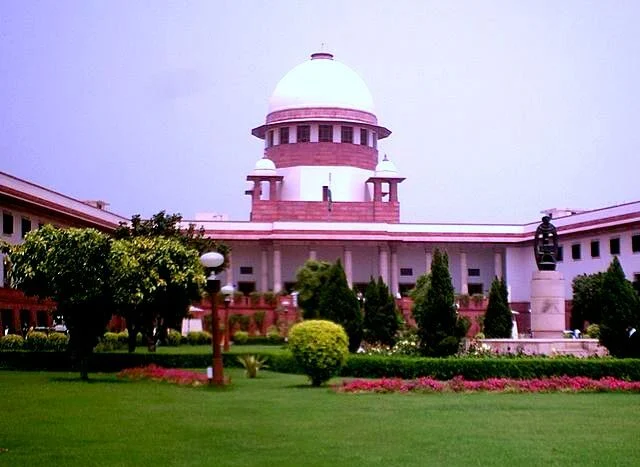
A Supreme Court bench of Justice Vikram Nath and Justice R Mahadevan on Tuesday, 17 November, reserved its order on a petition asking for one searchable database of money left behind by deceased account holders in banks, insurance policies, provident funds and securities, according to LiveLaw and Verdictum. The plea, filed by Sucheta Dalal in 2022, says heirs often cannot trace what a relative left, and the Centre, the RBI and SEBI told the court the existing portals already do the job.
Heirs Still Search Portal by Portal
Nothing changes for families until the order comes. Today an heir looking for a dead relative’s deposits can use the RBI’s UDGAM portal, the IEPF portal for unclaimed dividends and shares, and SEBI’s MITRA portal for dormant mutual fund holdings. Advocate Prashant Bhushan, for the petitioner, said UDGAM requires the user to know the bank’s name and that little has been done on insurance. The RBI’s counsel said 30 banks are on UDGAM, which covers about 90% of unclaimed deposits, and that a user can search all of them at once.
Rs 6,453 Crore Returned So Far
Additional Solicitor General N Venkataraman told the court that over 3 lakh claims had been processed up to March 2026, with about 10% pending, and that Rs 6,453 crore in unclaimed financial assets had been returned to owners by 18 April 2026. He cited the 2025 Banking Laws Amendment Act, which allows up to four nominees, and argued no judicial directions were needed.
Also read Digital Arrest Scams: Supreme Court Asks WhatsApp for Safeguards
The scale is large. The Depositor Education and Awareness Fund grew from Rs 18,381 crore in March 2019 to Rs 39,264.25 crore in March 2021, according to figures in the petition. The government’s “Aapki Poonji, Aapka Adhikar” campaign, launched on 4 October 2025, ran camps in 748 districts over 10 phases. At an earlier hearing the bench asked the Union and the RBI why details of a dead person’s accounts could not be given to heirs, while also weighing privacy and the risk of fraudsters posing as heirs.
Written Notes Before the Order
The court allowed the parties to file written notes and gave no date for the order. If it accepts the petition, the likely direction is a single database; if it accepts the Centre’s argument, the existing portals stay as they are. For related coverage of bank outreach, see IPB’s report on the financial inclusion camps in panchayats and the Supreme Court tag page.
Source: RBI UDGAM portal. Also based on reporting by LiveLaw and Verdictum.
Image: LiveLaw.