Megamalai Tiger Reserve: Supreme Court Says Silk Cotton Is No Forest Right
Families farming silk cotton inside a Tamil Nadu tiger reserve cannot claim it as a forest right, and a Gavai-led panel will now re-check their claims.
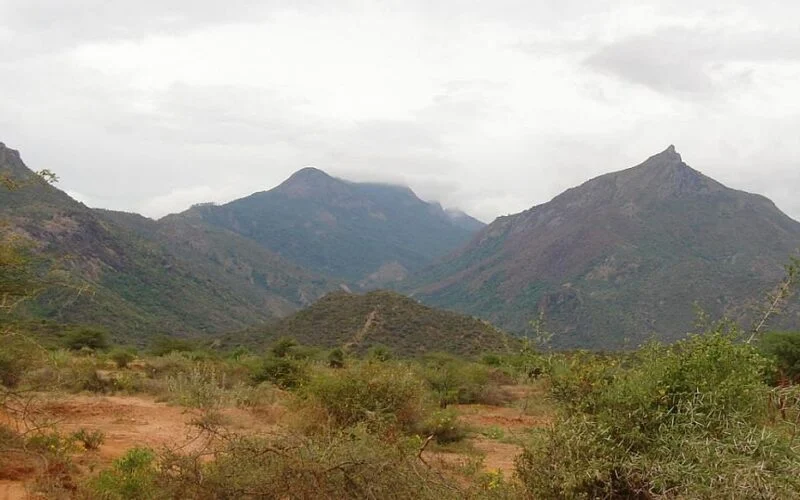
Image: Mprabaharan / Wikimedia Commons, via Down To Earth
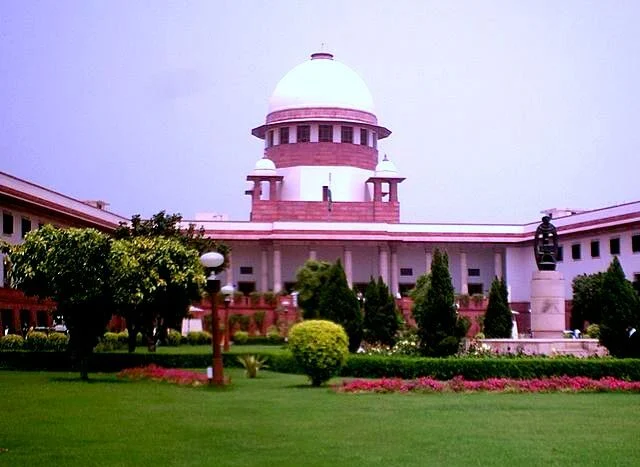
The Supreme Court ruled on Friday, 6 November, that planned cultivation of a commercial crop such as silk cotton inside the Srivilliputhur-Megamalai Tiger Reserve in Tamil Nadu cannot be recognised as a right under the Forest Rights Act, 2006. A bench of Justices Vikram Nath and Sandeep Mehta said protection of critical tiger habitat comes first, while hearing A. John Kennedy and others v. State of Tamil Nadu, according to the judgment (2026 INSC 1204).
Cultivators Outside the Forest Are Excluded
The court held that people who only cultivate forest land, without living in the forest, do not qualify as forest dwellers under the Act. It said minor forest produce has to occur naturally, so a planned plantation does not fit that definition, and noted that no notification treating cultivated silk cotton as minor forest produce was placed before it. Families who farm silk cotton in Megamalai therefore cannot use that cultivation alone to support a claim.
A Panel Under Former CJI B R Gavai
The bench set up a Special Committee headed by former Chief Justice of India B R Gavai to scrutinise orders passed on forest-rights claims in the area and supervise their disposal. The committee must file monthly progress reports. Tamil Nadu has 30 days to constitute the remaining Gram Sabhas and five months to finish adjudication. The court also asked the Central Empowered Committee to give its opinion on the status of silk cotton and to respond to an NHAI application about the NH-744 stretch, and referred the question of who financed the cultivation to the same committee.
Also read Chennai, Tirupati Record 2 cm Rain; Tamil Nadu Showers Last Till 10 November
The state had argued that silk cotton was traditional minor forest produce. The court did not accept that argument at this stage, calling planned commercial plantation different from produce that grows naturally.
Listed Again on 1 February 2027
The case returns to the Supreme Court on 1 February 2027. Until the Gram Sabhas are in place and the committee has reviewed the earlier orders, it is not clear how many individual claims will survive. Earlier Supreme Court orders on forest and river protection are collected under the Supreme Court tag, including the order for a special investigation team on illegal gravel mining along Rajasthan’s rivers.
Source: Supreme Court judgment, A. John Kennedy v. State of Tamil Nadu (PDF via Verdictum). Also based on reporting by Verdictum and Deccan Herald.
Image: Mprabaharan / Wikimedia Commons, via Down To Earth.
Get IPB News first