OBC Creamy Layer Ruling: Supreme Court Refuses Prospective Effect
Selected candidates keep their posts, but the Centre must apply the parental-salary ruling within an extended deadline.
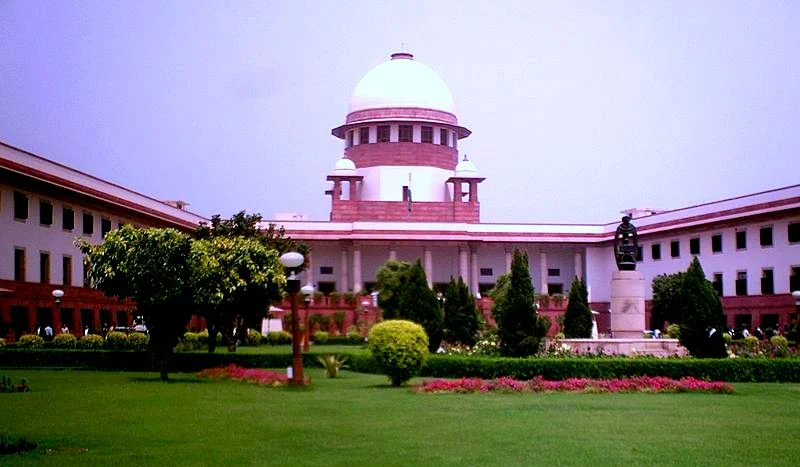
Image: Wikimedia Commons
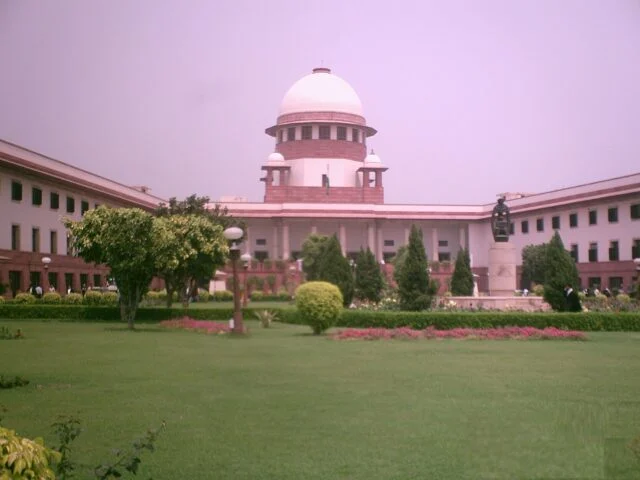
The Supreme Court on 6 November refused the Centre’s request to apply its 11 March 2026 OBC creamy layer judgment only from a future date, saying it saw no adequate reason to delay implementation. A bench of Justices PS Narasimha and R Mahadevan held that the candidates who were parties to the case belong to the OBC non-creamy layer and are entitled to reservation benefits, while giving the government two more months to implement the ruling.
Selected Candidates Keep Their Posts
The court protected existing appointments. Completed selections will not be reopened, other candidates’ seniority is unaffected and settled promotions stay in place. The respondent candidates are entitled to placement and allotment in the selections they took part in.
Other Claimants Must Go to Their Own Forums
Candidates who claim similar status can have their cases decided on merit by the relevant court, tribunal or authority. The Supreme Court expressed no view on those claims but said these bodies may consider the March judgment’s reading of the 1993 Office Memorandum and a 2004 communication. The March ruling held that a parent’s salary, or income from a public sector undertaking or private employer, cannot alone decide whether an OBC candidate is in the creamy layer. IPB reported earlier how the ruling applies to UPSC service allocation.
Also read Himachal BBMB Case: Supreme Court Win Brings Power Share for 20 Years
Centre Gets Two Extra Months
The Centre had invoked Article 142 of the Constitution, arguing that retroactive application would disrupt past and ongoing recruitment. The March judgment said creamy layer status requires examining the parent’s post and category along with the income and wealth criteria under the 1993 Office Memorandum. The court set no timeline for the government’s own creamy layer policy and left it free to frame one within the Constitution and the ruling. The original six-month implementation deadline has been extended by two months.
More on the court’s recent orders is under the Supreme Court tag.
Source: Supreme Court judgment, Union of India v. Rohith Nathan, 11 March 2026. Also based on reporting by WebIndia123 and LiveLaw.
Image: Wikimedia Commons.
Get IPB News first