DVC Tariff Case: Supreme Court Says APTEL “Gone Haywire” on Review
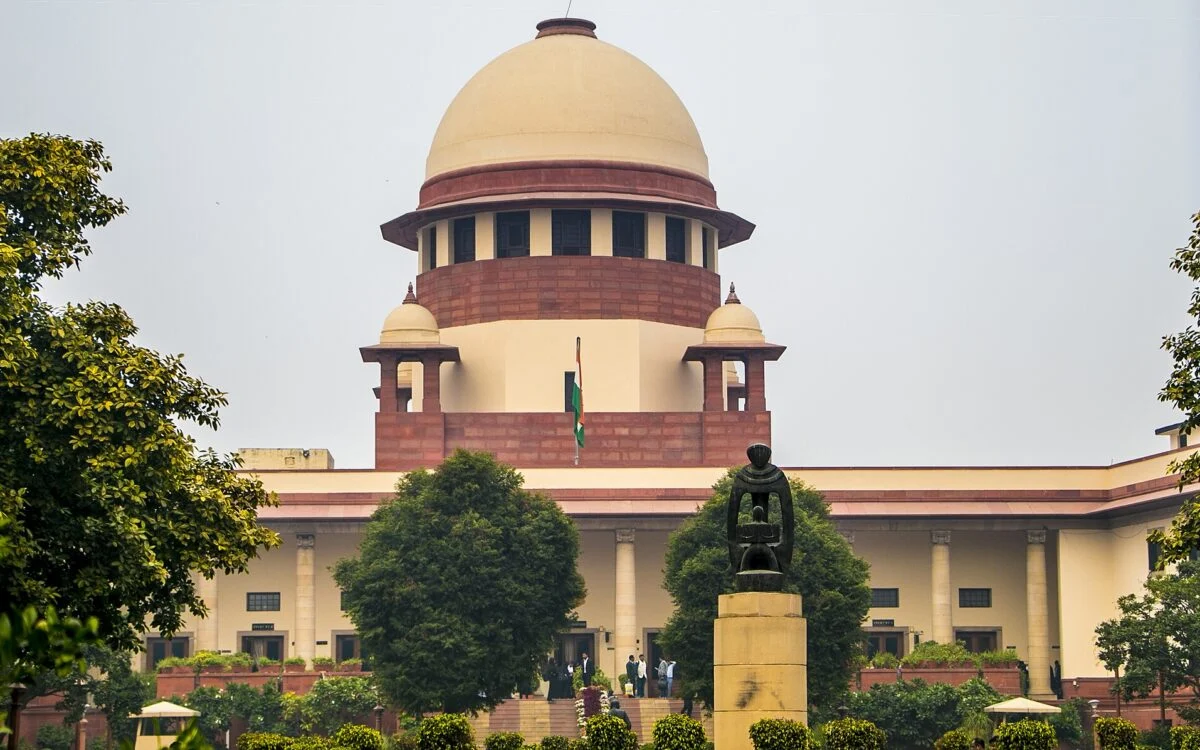
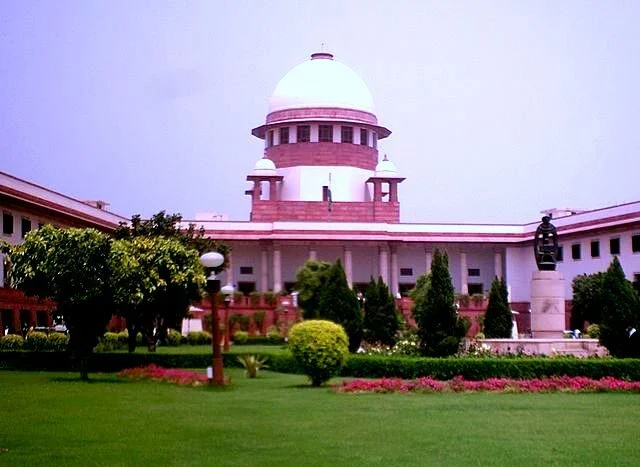
Image: Supreme Court of India (file photo) / Wikimedia Commons
The Supreme Court on Friday, 30 October, set aside a 2024 order of the Appellate Tribunal for Electricity (APTEL) that had reopened a Damodar Valley Corporation tariff ruling, saying the Tribunal had committed a “blatant breach of judicial discipline”. A bench of Justices J.B. Pardiwala and K. Vinod Chandran allowed DVC’s appeal in Damodar Valley Corporation v. Maithan Alloys Limited & Ors, with Justice Chandran writing the judgment, LiveLaw reported.
Costs of ₹3.5 Lakh Imposed
The court allowed the appeal with costs. Maithan Alloys must pay ₹2 lakh and Steel Authority of India Limited ₹1.5 lakh. The bench said: “We cannot but observe that the Tribunal has gone haywire.” It called the review “clearly illegal, totally misplaced” and held that an error apparent on the face of the record must be self-evident and cannot need lengthy reasoning.
For electricity consumers in the Damodar Valley area, the ruling leaves DVC’s tariff for 2009–2014 as the Central Electricity Regulatory Commission had fixed it, including recovery of Sinking Fund contributions.
Also read Supreme Court Asks MeitY to Add Action Against Hearing Clip Misuse to Policy
A 2019 Order Reopened After Five Years
The dispute concerns DVC’s tariff for 2009–2014. The Central Electricity Regulatory Commission had allowed DVC to recover Sinking Fund contributions, held to redeem bonds, through tariffs. APTEL upheld that in 2019, relying on the Supreme Court’s 2018 judgment in Bhaskar Shrachi Alloys Limited v. Damodar Valley Corporation.
Maithan Alloys then filed a review petition more than five years later. In 2024 APTEL allowed it, holding that allowing both depreciation on bond-funded assets and Sinking Fund contributions gave DVC a double benefit. The Supreme Court held that this overruled its own precedent, in breach of Article 141 of the Constitution, which makes the court’s law binding on all courts and tribunals.
No Further Hearing Listed
The report does not mention any further date, as the appeal has been allowed. Related Supreme Court rulings on commercial disputes are collected in IPB’s report on the Atibir Industries settlement, and the day’s other orders are under Daily Updates.
Source: Supreme Court judgment, 2026 LiveLaw (SC) 1110. Also based on reporting by LiveLaw.
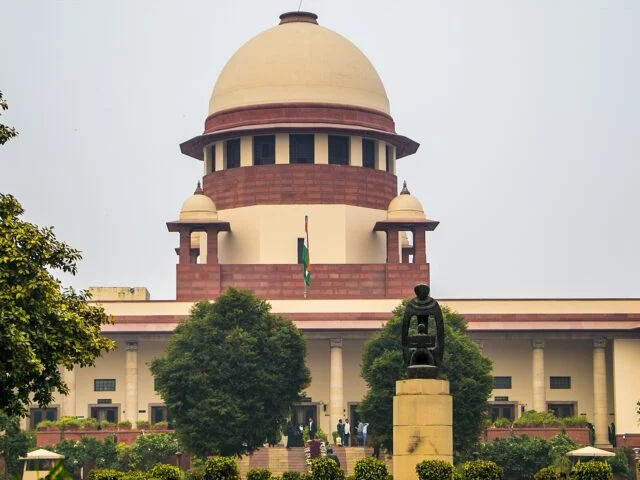
Image: Supreme Court of India building / Wikimedia Commons.
Get IPB News first