US Tariff on India: Up to 25% Proposed Under Section 301 Probe
Exporters get until 5 January to object; steel, cars and chips sit outside the proposed duty under separate US tariffs.
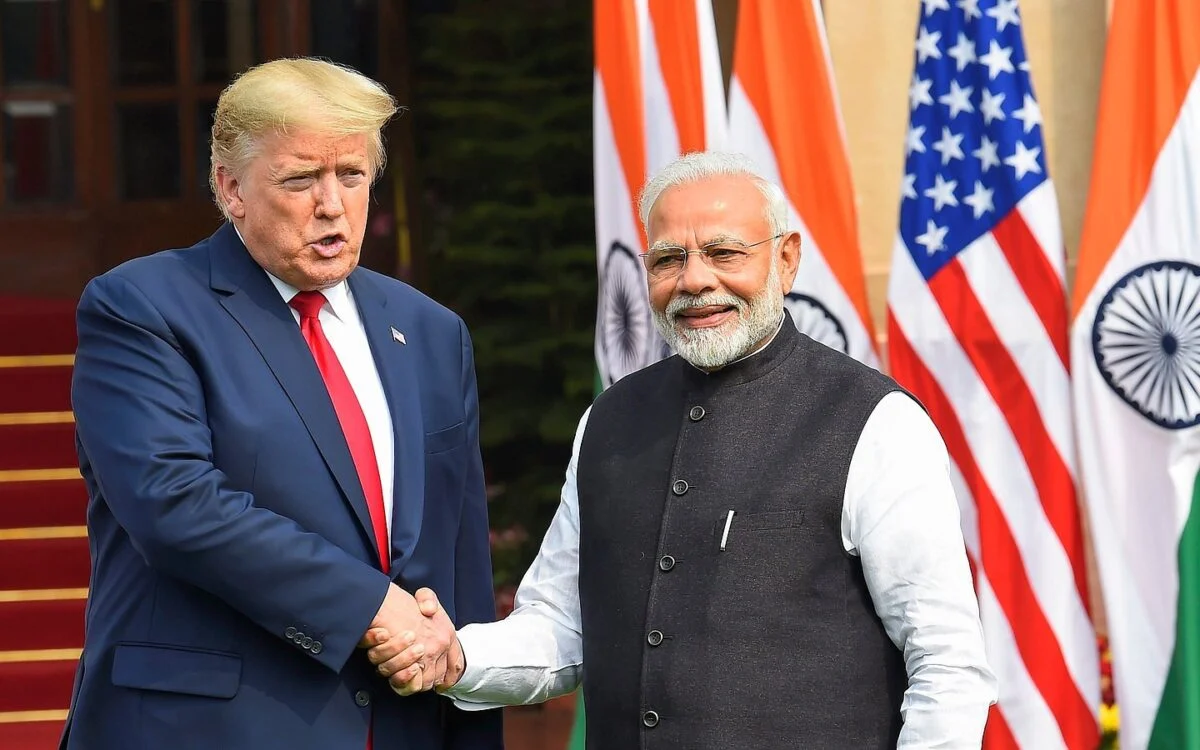
Image: Outlook / PTI (representational file photo)
The United States has proposed tariffs of up to 25% on goods from India, the Office of the US Trade Representative (USTR) said on 25 November, after ruling in a Section 301 investigation that India’s industrial policies create excess manufacturing capacity and burden American commerce. The duty is not in force: Washington will take written comments until 5 January 2027 and hold a hearing there on 25 January. India’s Commerce and Industry Ministry said the notice is “currently under examination”.
What Indian Exporters Face
The draft notice proposes up to 25% on all Indian goods, net of existing Section 301 tariffs, with exemptions. Goods already taxed under a separate US law, Section 232, are left out, including steel, aluminium, copper, passenger vehicles and parts, wood products, patented medicines and semiconductors. An annex lists further exemptions, so exporters need to check their product codes against it.
USTR also says it will consider a 17% rate if India signs a reciprocal trade agreement that answers its findings. That is an offer to consider, not an automatic cut. Among the other proposals, Vietnam faces up to 35%, China up to 20% on many goods and Bangladesh, Indonesia, Malaysia and Thailand up to 18%.
Also read Parliament Reconvenes 30 November Amid Delimitation Bill Talk
Make in India and PLI Named
The investigation began on 11 March, and the two sides held consultations on 14 May. USTR’s report names Make in India, the Production Linked Incentive schemes and Atmanirbhar Bharat, and points to solar modules, steel, health and information technology. It puts India’s solar module capacity at 154 GW against domestic demand of 53 GW, and India’s goods surplus with the US at $57.3 billion in 2025.
India rejects the central charge. The ministry said it told the inquiry that India “does not have structural excess capacity in any sector”, and that trade concerns belong in the talks on a Bilateral Trade Agreement. IPB earlier set out what was left to settle in the India-US trade deal.
Comments Close on 5 January
Companies, trade bodies and governments can file comments under docket USTR-2026-0731 at comments.ustr.gov. Requests to speak at the 25 January hearing are also due on 5 January. The Narendra Modi government has not said whether it will seek the lower rate through an agreement before then; more on its decisions is on the Narendra Modi page.
Source: USTR statement and PIB release, Commerce Ministry. Also based on reporting by The Wire and ThePrint / PTI.
Image: Outlook / PTI (representational file photo).