Kargil threat echoes in Ladakh
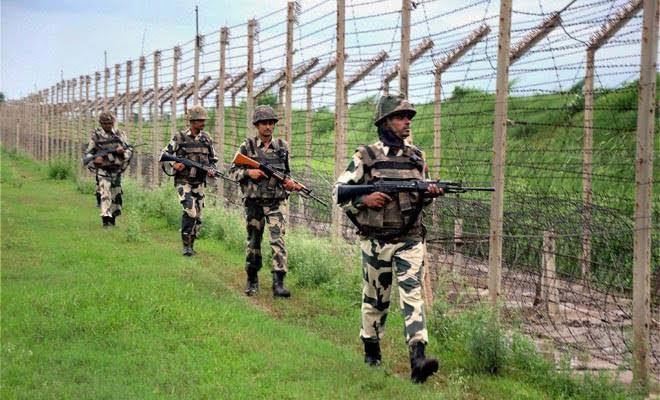
The reported deep incursion by the Chinese People’s Liberation Army (PLA) into eastern Ladakh — now the trigger for growing concern over a full-blown military confrontation — has eerie and uneasy resonances to the origins of the Kargil war of 1999.
There is one significant, probably ominous, difference: unlike the Pakistanis two decades ago, the Chinese are neither using proxy “mujahideen” warriors as frontline nor employing pretense or denial; it is an in-your-face intrusion by a uniformed soldiery that now reportedly squats on more than 50 square kilometers of territory along the undefined Line of Actual Control (LAC) that India claims as its own.
Kargil is probably our closest reminder of how such shock reverses can be suffered. The two are strikingly similar stories of the inept vigil, questionable patrolling, poor intelligence, and information-sharing, sluggish reflexes, complacency, and blame-gaming between the government agencies responsible when a crisis turns too hot to handle.
Weeks before India launched airstrikes in the Drass-Kargil sector on May 26, 1999, more pressing clues of an audacious intrusion had come to light.
The lead-up to the multi-front infringements by the Chinese in eastern Ladakh is not dissimilar.
The PLA’s push is deepest on the northern bank of Pangong Tso, about 8km. Significant ingress and military consolidation have also been reported in the Galwan Valley and Hot Springs.
But there is one significant, probably ominous, difference: the Pakistanis were far less trouble to push back across the LoC than the formidable, and intractable, Chinese and the PLA will prove.
Update by Sirsha Gupta