
Super Cyclone Amphan: an overview.
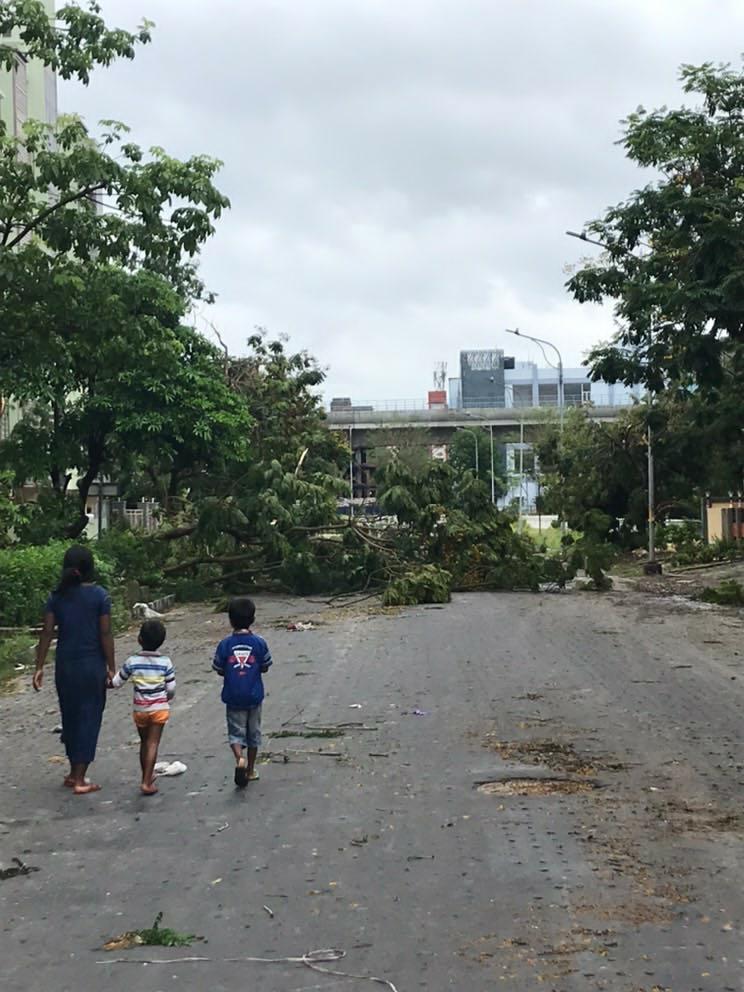
All pictures are clicked by Saptarshi Banerjee.
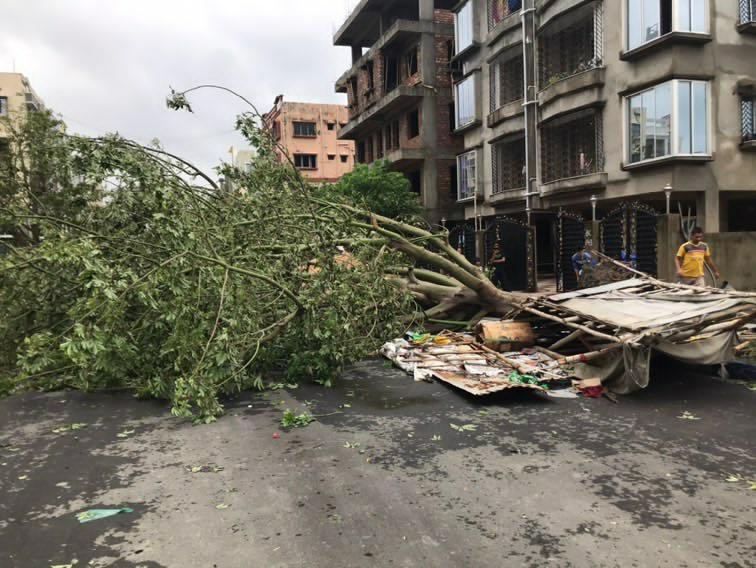
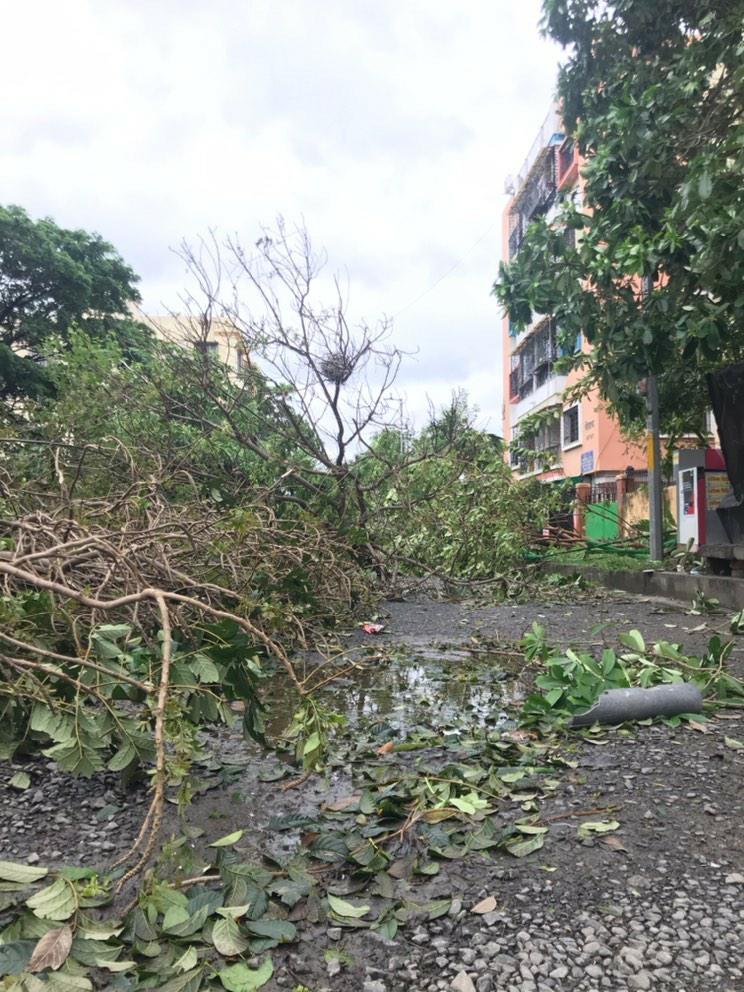
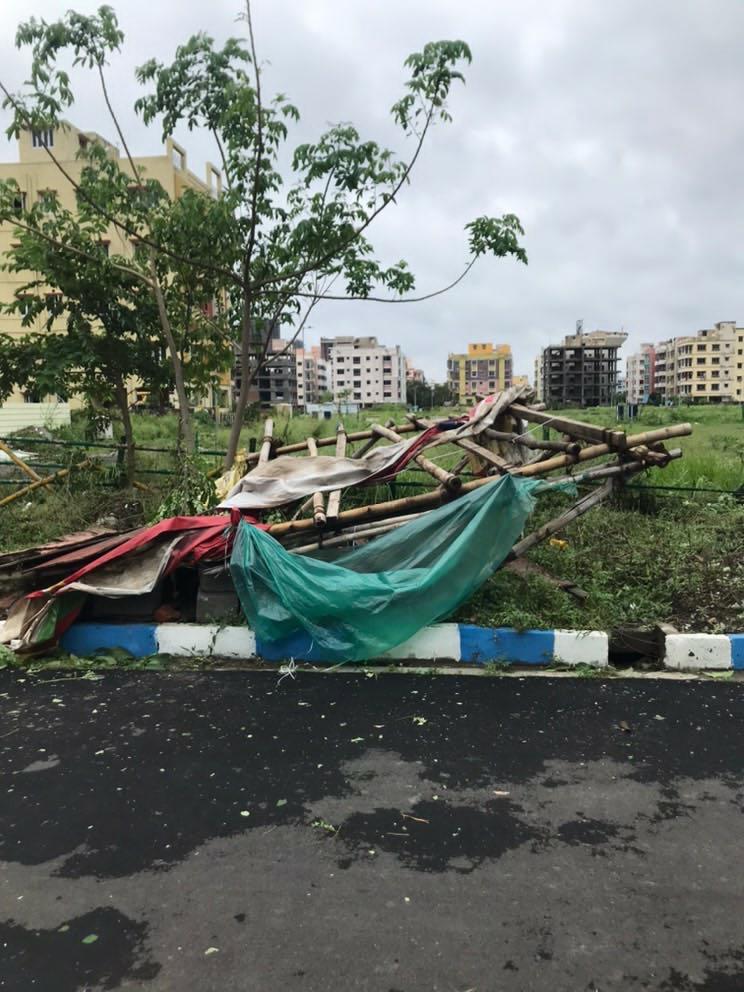
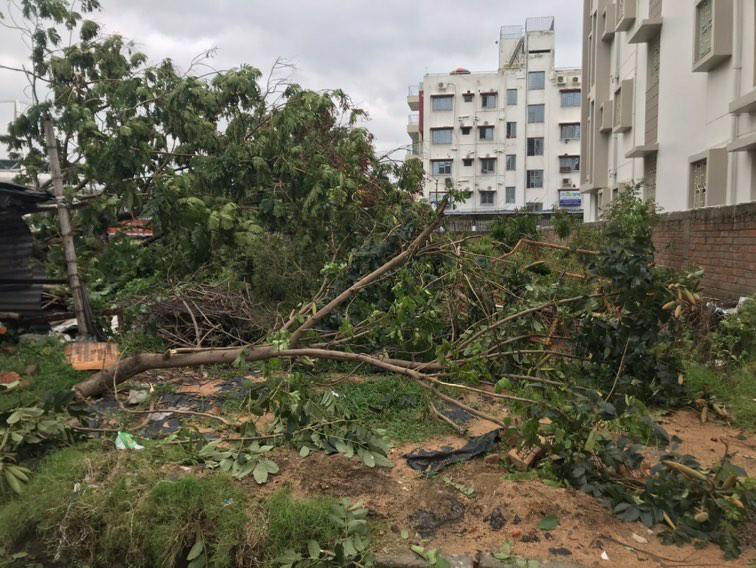
The super cyclone Amphan wreaked havoc in parts of India and Bangladesh on 20th of May, in the middle of a world wide pandemic. The cyclone, that occurred in the Bay of Bengal has said to be the first super cyclone after the one that occurred in the year 1999. It was the strongest cyclone to hit the Ganges Delta since the cyclone Cidr of 2007.
Formed on 16th of May in the Bay of Bengal, it intensified into a severe Strom in just 12hours. The cyclone formed at a very low pressure area a couple hundred miles eastwards from Colombo, Srilanka and moved Northwards affected Andaman Islands, Srilanka and the Indian Continent. The storm caused heavy rain in South Indian states. Tracking the northeastward higher temperature of the sea waters and depression of the sea atmosphere, the Indian Meteorological Department (IMD) gave warning of Typhoon on the 15th May, 2020.
On 18th May, Amphan reached peak intensity of 240kmph and minimum pressure of 925mbar. However, it the cyclone started to weaken while moving parallel to the Indian coastline. On 20th of May, the cyclone caused heavy rain and strong winds in the northern Odisha region and the coastal line. Between 10:00-11:00 UTC, the Cyclone made a landfall on the state of West Bengal and sustained winds of 100kmph after which it moved towards Bangladesh and started a rapid weakening and dissipated on 21st of May.
The trail of destruction that Amphan left has been devastating. 80+ people have been killed in India and Bangladesh as an aggregate. Damange has been done to the costal areas of Odisha, many districts of Bengal and Bangladesh. The most effected areas of W. Bengal has been South 24 and North 24 Parganas, Hoogly, Howrah and Kolkata, along with The Sundarbans, Hasnabad and East and West Medinipur. The damage figure is mostly the uprooting of trees and electric poles, destruction of Mudhouses and water logged streets in Kolkata due to heavy rain during the High tide. The electricity and telecommunications has been cut of in many districts of Bengal. North and South 24 Parganas are facing water scarcity.
As per government reports, there was a huge issue because of inability to the maximum usage of refuge shelters for the social distancing measurements for the containment of the COVID-19.
The cyclone hit Sundarbans being the habitat of Royal Bengal tiger has created another issue as the Tigers have been entering the human residential areas in the aftermath of the cyclone and been creating danger to human lives for which the forest department is on alarm.The CM of the state has reported the loss is worth of $13.2 billions. The clearance and restoration work has already been started in Kolkata.
For the Southern states of India, many districts of Kerala were swept off with heavy rain and Strom on May 16th. Thunderstorm associated with Amphan caused severe erosion in Valiyathura Suburb in Thiruvananthapuram and destroyed residential areas. Kottayam district, especially, Vaikom taluka was severely destroyed. At least 100 Boats anchored in the Ramnathpuram in Tamilnadu were destroyed along with roughly 35acers of Banana crops around Gandharvakottai and Aranthangi.
The National media’s negligence and lack of coverage of such a catastrophic event has been critised by many activists and international organisations whereas reports by UN and BBC Bengali have been out now. The footage of bursting grid by NDTV was one of the most significant coverages by the mainstream Indian media. The apathetic behaviour of many right wing leaders and laymen on the internet has spread a wave of rage among the state of Bengal. However the PM, has paid a visit to West Bengal and Bhubaneswar today, on the 22nd of May and has been a part of an ariel survey. A 1000crore relief package has been announced for the state of Bengal to face the destruction that the cyclone has caused.
References:https://news.un.org/en/story/2020/05/1064712
https://www.bbc.com/news/world-asia-52734259