Scientists say ‘regime shift’ is happening in the Arctic Ocean
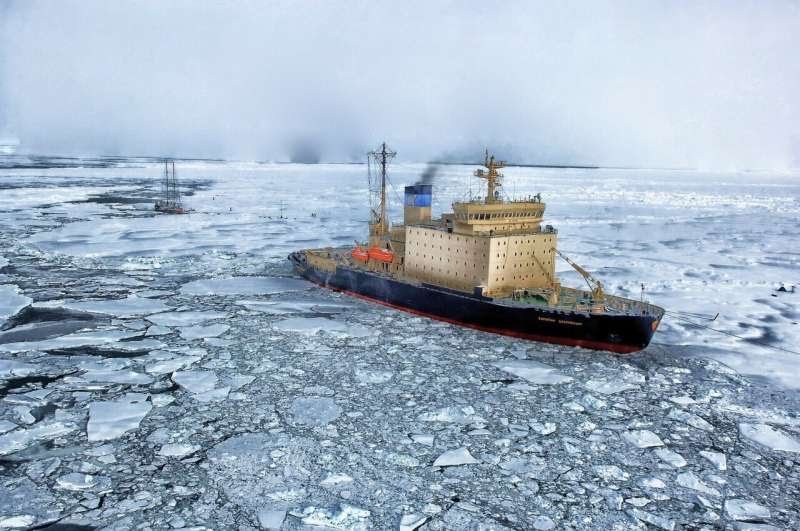
Scientists at Stanford University have discovered a surprising shift in the Arctic Ocean. Exploding blooms of phytoplankton, the tiny algae at the base of a food web topped by whales and polar bears. These have drastically altered the Arctic’s ability to transform atmospheric carbon into living matter.
Over the past decade. The surge has replaced sea ice loss as the biggest driver of changes in the uptake of carbon dioxide by phytoplankton.
The research appears on July 10 in Science. Senior author Kevin Arrigo, a professor at Stanford’s School of Earth, Energy & Environmental Sciences (Stanford Earth), said the growing influence of phytoplankton biomass may represent a “significant regime shift” for the Arctic, a region that is warming faster than anywhere else on Earth.
The study centers on net primary production (NPP), a measure of how quickly plants and algae convert sunlight and carbon dioxide into sugars that other creatures can eat. “The rates are really important in terms of how much food there is for the rest of the ecosystem,” Arrigo said.
He further added “It’s also important because this is one of the main ways that CO2 is pulled out of the atmosphere and into the ocean.”
Update by Faiza Anwar
For more daily updates click here. Also for more related news updates click here.