VB-G RAM G Ombudsperson Guidelines Issued for District Level
Workers with unpaid wages or missing job cards get a dedicated district ombudsperson, but the guidelines released so far give no deadline for deciding complaints.
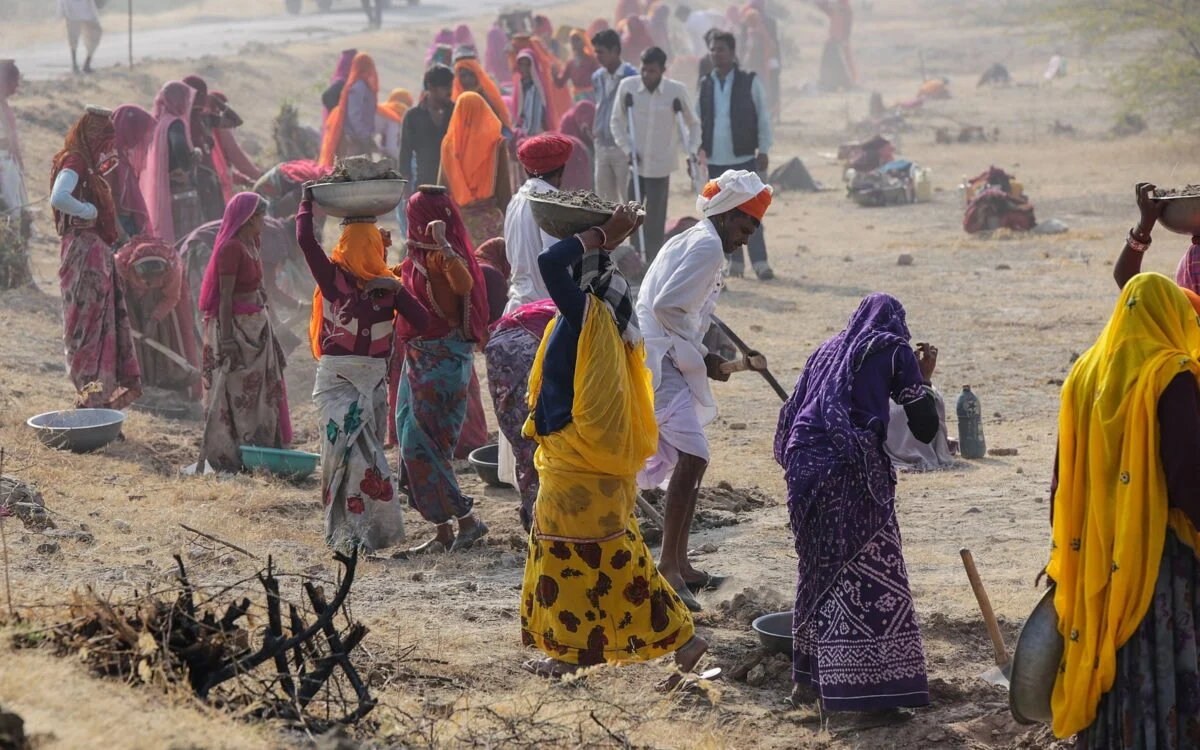
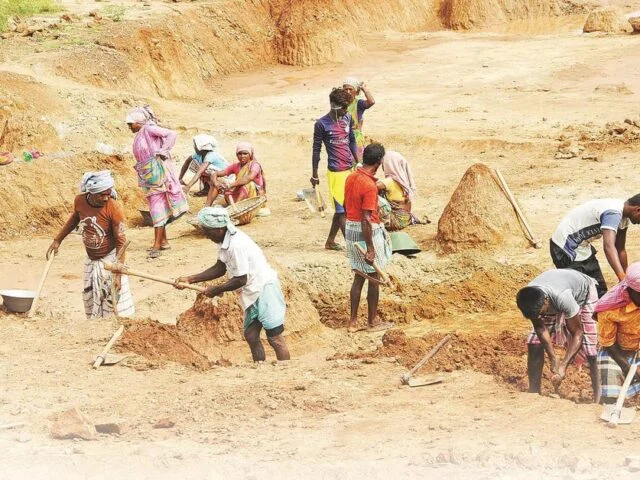
Image: Vikas Choudhary / CSE (Down To Earth)
The Ministry of Rural Development on Wednesday, 18 November 2026, issued guidelines for ombudspersons and appellate authorities under the Viksit Bharat–Guarantee for Rozgar and Ajeevika Mission (Gramin) Act, 2025, known as VB-G RAM G. The guidelines provide a dedicated ombudsperson at the district level to hear complaints from rural workers, according to an official statement reported by IANS and other outlets.
Who Can Be Appointed, and What They Hear
The ministry has widened the pool of eligible candidates to people with experience in rural development, public administration, law, academics, social work and management. Tenure and remuneration rules have been revised “to support continuity”, the statement said, though the reports do not give the figures.
The ombudsperson can take up complaints on job cards, employment, wage payments, compensation for delays, worksite facilities, muster rolls and denial of statutory entitlements. Complaints of discrimination, harassment and violation of workers’ rights, including those of women and vulnerable groups, are also covered.
Geo-Tagged Photos and Three Hearings a Month
Each ombudsperson must attend at least three social audit public hearings or gram sabhas every month. Field visits are to be documented with geo-tagged, time-stamped photographs. Proceedings and awards are to be uploaded on a digital platform that also supports online complaint registration, tracking and monitoring of action taken. Social audit findings and community feedback can be used to identify gaps and trigger corrective action.
Second Layer After the 15-Day Rule
VB-G RAM G began on 1 July 2026 and replaced MGNREGA. On 2 November the ministry notified grievance redressal rules that require a complaint to be resolved within 15 days at the panchayat, block or district level, with unresolved cases escalated upward. IPB News reported those rules here. The ombudsperson guidelines add an independent authority above that ladder.
Deadlines Still Not Public
The reports on the guidelines do not say how many days an ombudsperson has to decide a complaint, how an appeal to the appellate authority works, or what penalty follows if an award is ignored. The ministry has also not said how many districts have appointed an ombudsperson so far. Those details will decide whether a worker waiting on wages sees any change.
Source: Based on reporting by Morung Express (IANS) and Daily Excelsior. Earlier rules: DD News and Down To Earth.
Image: Vikas Choudhary / CSE (Down To Earth).