Digital Arrest Scams: Supreme Court Asks WhatsApp for Safeguards
Victims of fake police-call frauds may get bank compensation if lenders failed their checks; platforms and states must report to the court by 23 November.
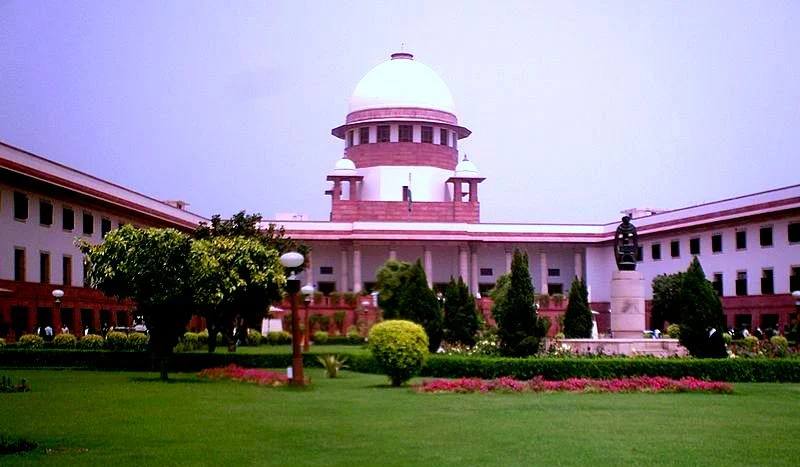
Image: Wikimedia Commons
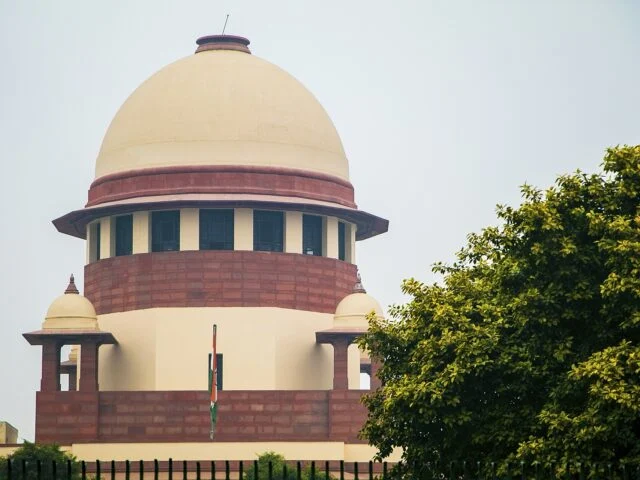
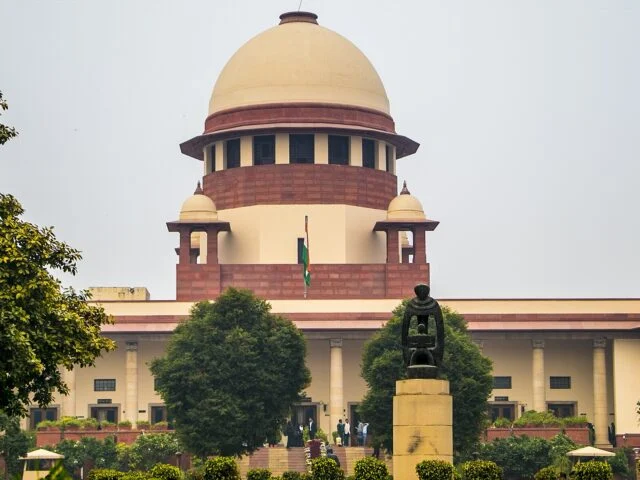
A three-judge bench led by Chief Justice of India Surya Kant has told WhatsApp and other messaging intermediaries to explain to the Supreme Court what they will do to stop “digital arrest” scams, in a suo motu case on victims of fraud built on forged official documents. The order, which LiveLaw reported on 10 November, asks the platforms to send the same proposals to the Indian Cyber Crime Coordination Centre (I4C) and lists the matter again on 23 November. Justices Joymalya Bagchi and V Mohana are on the bench, with senior advocate N S Nappinai as amicus curiae.
Banks May Have to Pay Back Victims
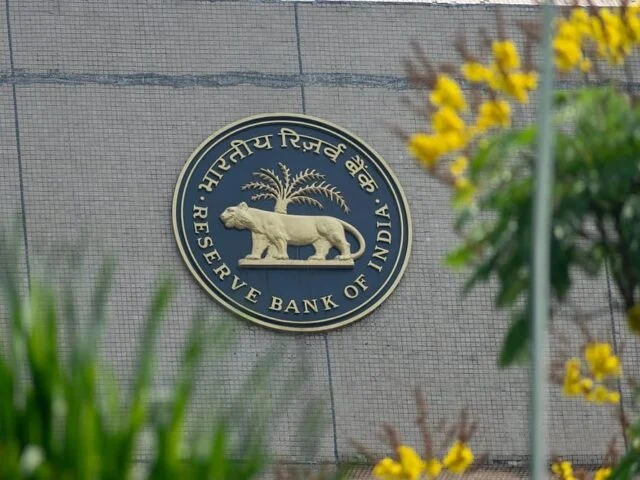
The order goes beyond the platforms. The Reserve Bank of India has to give the court a list of authorised financial institutions by the next hearing, and its rules should make a bank or other institution compensate a victim at least the amount lost where it failed in its due diligence. Police in every state and Union Territory must report the status of FIRs and investigations in digital arrest cases, and DGPs have been told to make sure that happens. For a person who has lost savings to a caller posing as a CBI or customs officer, the compensation question is the part that matters most.
Months of Monitoring Behind the Order
The court has watched the problem for several months. In August it gave directions on an RBI standard operating procedure for temporary debit holds, a grievance mechanism and a money restoration module, and told states to set up State Cyber Crime Coordination Centres. An inter-departmental committee was asked to look at a shared liability and victim compensation framework. The Union government filed a status report on steps taken since February’s directions, and WhatsApp reportedly banned 9,400 accounts linked to such scams and to impersonation of law enforcement. IPB has earlier reported that 21,900 complaints and Rs 647 crore were lost to digital arrest fraud in 2026, and that the court had been weighing whether banks should pay victims. More Supreme Court coverage is on the tag page.
Also read Grandson’s Birthright in Ancestral Property: Supreme Court Rules
Next Hearing on 23 November
The order does not set a separate deadline for WhatsApp. The court will see the RBI’s list of institutions and the state police reports on 23 November, when it can decide how far the compensation rule should go.
Source: Supreme Court order in In Re: Victims of Digital Arrest Related to Forged Documents. Also based on reporting by LiveLaw.
Image: Wikimedia Commons.
Get IPB News first