Grandson’s Birthright in Ancestral Property: Supreme Court Rules
Families dividing inherited land: a son or grandson cannot claim a coparcenary share in property the father took in a partition and sold.
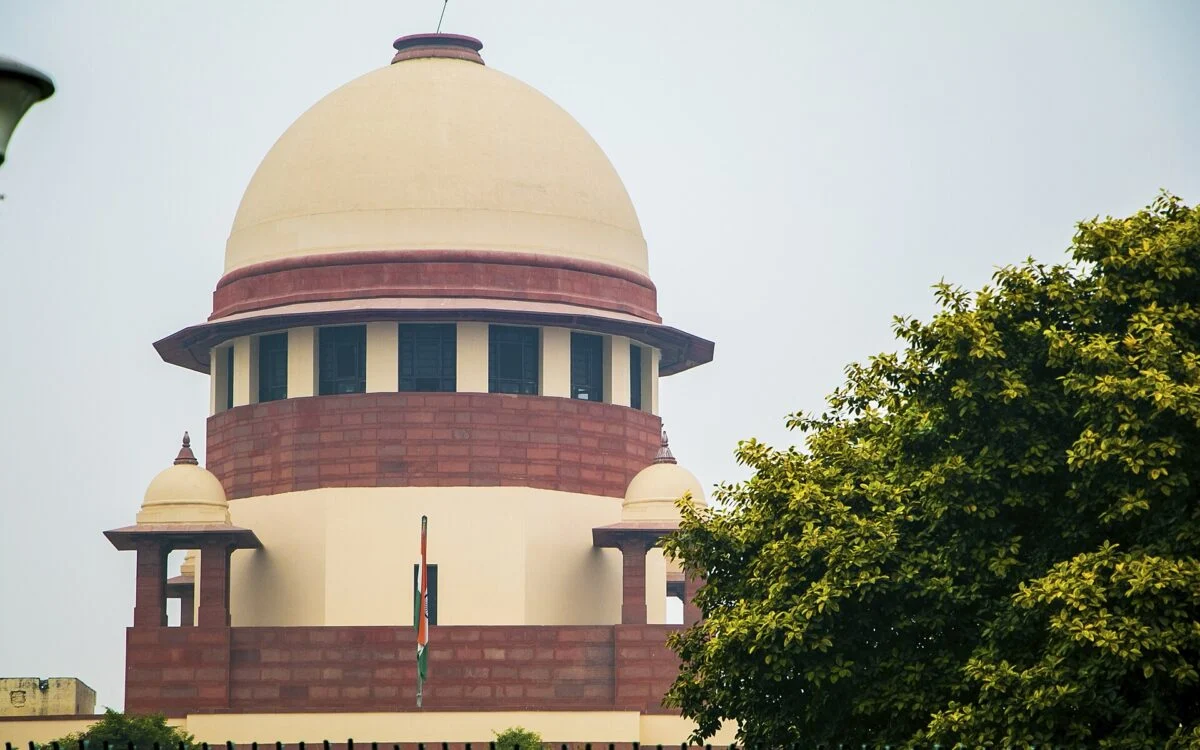
Image: Wikimedia Commons
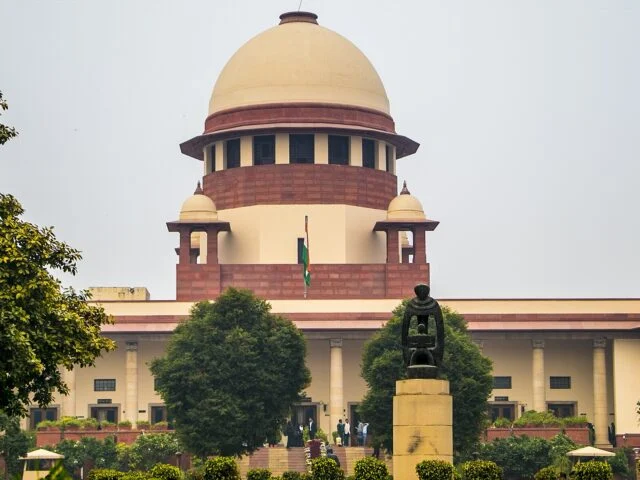
The Supreme Court has ruled that a grandson did not acquire a birthright in property his father received in a partition, and dismissed a Chennai man’s claim to half of a 1,811 sq ft plot that his father had sold in 1997. A bench of Justice Sunita Agarwal and Justice Augustine George Masih decided the appeal on 6 November 2026 in J. Rajesh v. M. Kumaran (since deceased) through legal representatives (Civil Appeal No. 7020 of 2012), and Hindi outlets reported it on 11 November.
Sold Land Stays With the Buyers
The ruling matters to families that divide inherited land. The Court held that once property that came to the father under Section 8 of the Hindu Succession Act, 1956 is partitioned, it “cannot be said to be coparcenary.” A child born around the time of that partition does not get an automatic half share, and buyers who purchased from the father keep their title.
The Court dismissed the appeal with no order on costs. Anyone planning a partition suit against a father’s sale deed will have to show a coparcenary right that existed when the property was sold.
Also read DPDP Act and Journalists: Govt Sources Say Newsrooms Are Not Covered
A 29-Year Dispute Over One Plot
The case began in 1993 with a partition suit filed by the father’s sister. A compromise decree on 3 February 1994 gave the father his share. The appellant was born on 6 January 1994, weeks before that decree. In April 1997 the father sold the plot to two buyers by sale deeds dated 3 and 17 April, and the same year the son, then a minor, sued through his mother for a half share.
The City Civil Court in Chennai granted a preliminary decree for partition, but the first appellate court set it aside. The appeal reached the Supreme Court in 2012 and was decided roughly 29 years after the suit was filed.
Why Family Partition Cases Keep Coming Back
Disputes over who counts as a coparcener keep reaching the courts. The Supreme Court’s recent orders and other judgments are tracked on the Supreme Court tag page. The judgment itself runs to the full facts and the Section 8 reasoning; readers with a pending family partition case should read it with a lawyer.
Source: Supreme Court judgment, 6 November 2026 (2026 INSC 1208). Also based on reporting by Amar Ujala.
Get IPB News first