Bonded Labourers: Supreme Court Sets 7-Day Aid Deadline After Release
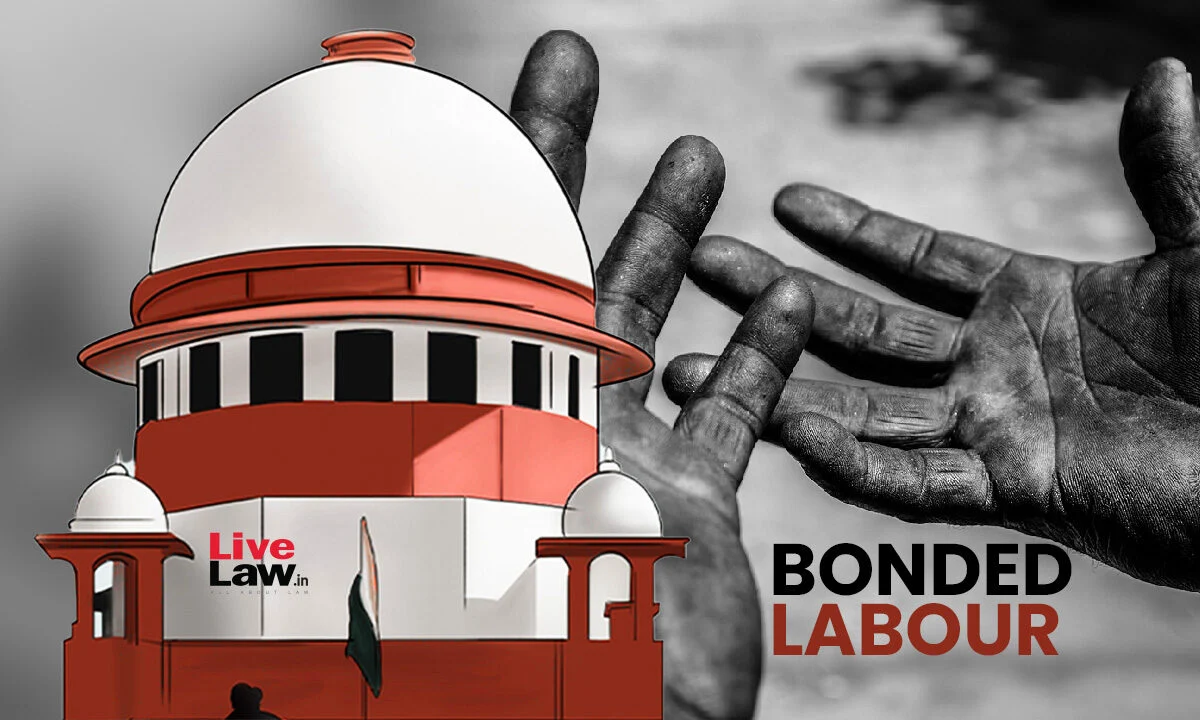
Image: LiveLaw
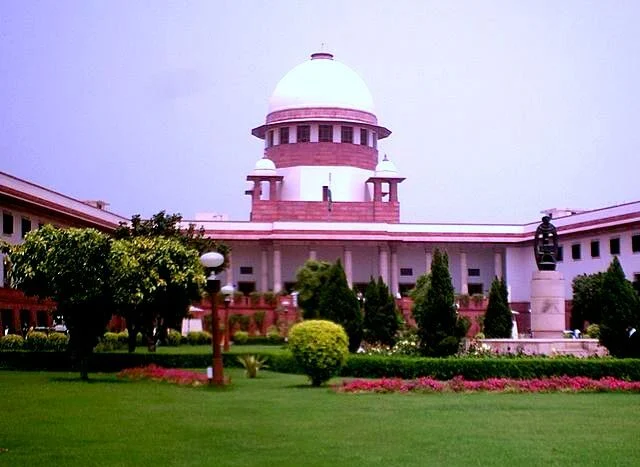
The Supreme Court has ruled that rescued bonded labourers should ordinarily receive immediate financial assistance within seven days of getting a release certificate, a bench of Justices Vikram Nath and Aparesh Kumar Singh said in an order pronounced on Monday, 2 November, in Surendra Manjhi v. Union of India. The case began with labourers taken from Bihar to a brick kiln in Shahjahanpur, Uttar Pradesh, and rescued on 28 February 2019. Many of them waited years for the money the law promises, which prompted the court to fix deadlines for the Centre, States and Union Territories, according to LiveLaw.
Seven Days for Aid, 24 Hours for Papers
Complaints should ordinarily be verified within 24 hours, and a release certificate issued within 24 hours of that finding, the court said. Assistance should not be held back only because a criminal case is pending, if the scheme’s conditions are met. Each State and Union Territory must name a nodal officer and set up inter-State coordination within six months, so that a labourer rescued in one State and sent home to another is not caught between two offices. The Centre must make the revised standard operating procedure of 14 May 2026 work uniformly and prescribe one release certificate format.
Seventeen Men Still Unpaid After Seven Years
The petitioners were among 42 labourers who received release certificates after their rescue. Twenty-five were paid Rs 20,000 each; 17 were still waiting. Surendra Manjhi himself got his money only in 2022. The court told Uttar Pradesh and Bihar to verify the 17 pending payments within one month and pay them within three months, or six at the outside. It relied on Articles 21 and 23 of the Constitution and on its earlier rulings in Bandhua Mukti Morcha and Neeraja Chaudhary, holding that identification, release and rehabilitation form one continuing duty.
Also read UP SIR Form 7 Complaints: Supreme Court Tells EC to Act on Bulk Deletions
Centre Has Three Months to Decide on a Higher Amount
The Centre must decide within three months on proposed changes to the scheme, including a higher immediate payment, and issue supplementary guidelines in consultation with the National Human Rights Commission. It has four months to file a compliance affidavit; States and Union Territories have six months, plus two weeks to file theirs. Vigilance Committees are to use the NAVJIVAN portal, review cases monthly at State level and settle grievances within 30 days, and district committees must track each family for at least a year after release. The court will take up the matter again for monitoring after seven months. Related coverage is on IPB’s Daily Updates page.
Source: Supreme Court order in Surendra Manjhi & Anr. v. Union of India (WP(C) 511/2022), as uploaded by LiveLaw. Also based on reporting by LiveLaw.
Image: LiveLaw.
Get IPB News first