India-US Trade Deal: What Is Left After Rubio-Jaishankar Talks, Who Gains
Close, but Not Signed
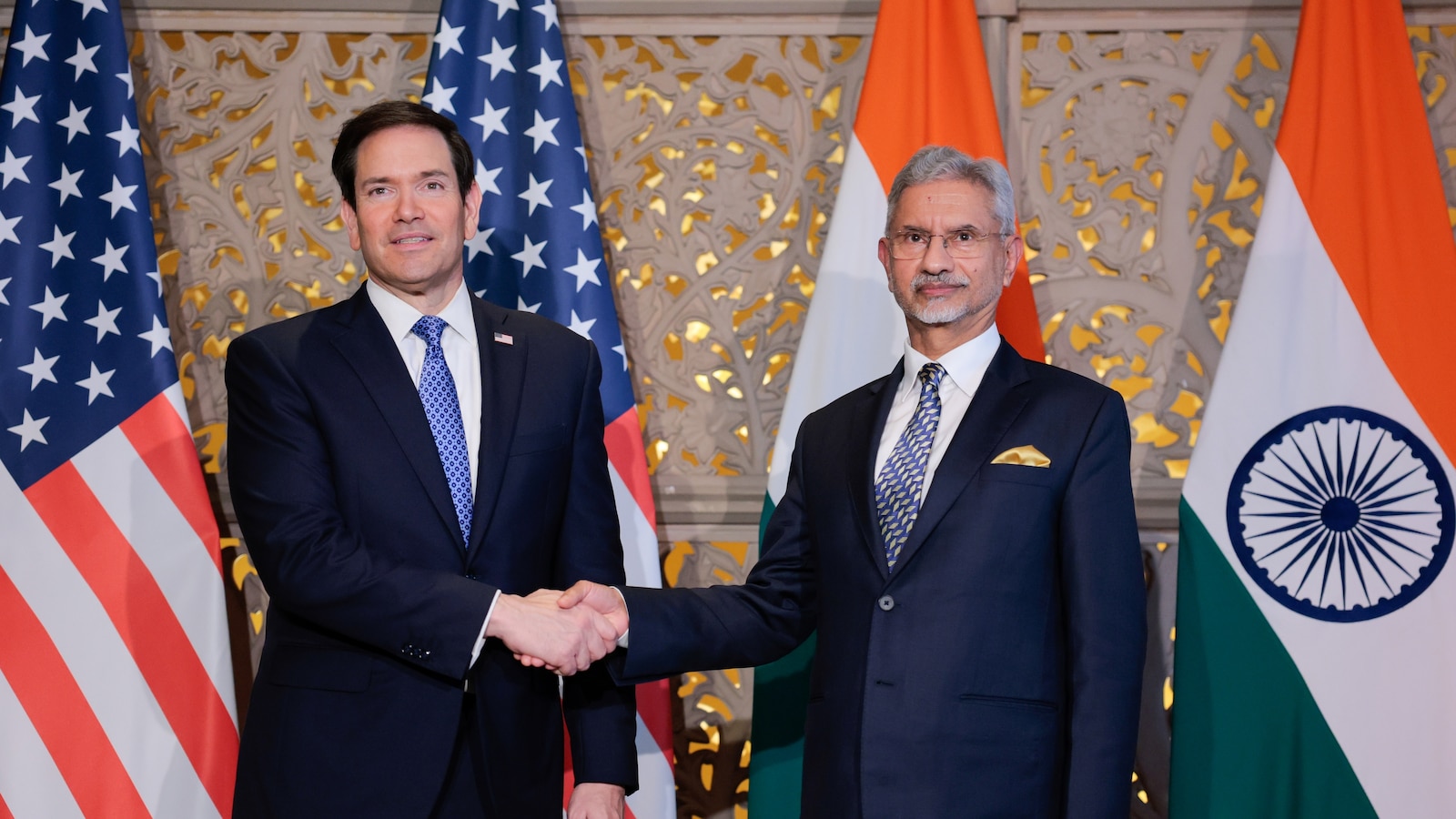
- US Secretary of State Marco Rubio and External Affairs Minister S Jaishankar met in Mumbai on 20 October 2026. Rubio said the two sides are “very, very close” to a trade deal, with a small number of items left.
- Under a framework agreed on 6 February 2026, the US cut its reciprocal tariff on most Indian goods to 18%, down from a burden of up to 50% imposed in August 2025.
- India’s exports to the US barely grew in 2025-26, to $87.31 billion, while imports from the US rose 17%.
- Russian oil remains the hardest issue. Rubio has said an immediate shift away from it is difficult for India.
On Tuesday afternoon, US Secretary of State Marco Rubio laid a wreath at the 26/11 memorial in Mumbai’s Taj Mahal Palace hotel, then sat down with External Affairs Minister S Jaishankar for talks on trade, energy, investment and defence. The aim, both governments say, is to close the first part of an India-US trade deal that has been under negotiation since February 2025. Rubio said the two sides were “very, very close”, about as near as possible without signing. Afterwards he said on X that they had “discussed energy security and defence cooperation”. No agreement was announced.
For India’s exporters, the gap between “very close” and “signed” matters. US buyers are holding back large and long-term orders until tariffs are settled, exporters told the Commerce Ministry in September. Here is what the deal has delivered so far, what is still stuck, and who stands to gain or lose.
From 50% Tariffs to an 18% Framework
The relationship hit its low point in August 2025, when Washington raised tariffs on most Indian goods to as high as 50%, including a 25% penalty tied to India’s purchases of Russian oil. Talks resumed, and on 6 February 2026 the two governments announced a framework for an interim agreement. The US set a reciprocal tariff of 18% on Indian goods, and an executive order removed the Russian-oil penalty.
In return, according to the joint statement, India agreed to remove or cut tariffs on all US industrial goods and on a list of US farm products such as tree nuts, fruit, soybean oil, and wine and spirits. India also said it intends to buy $500 billion worth of US energy, aircraft, technology products, precious metals and coking coal over five years. Commerce Minister Piyush Goyal said sensitive farm products were kept out of the concessions. They include maize, wheat, rice, sugar, soybean, poultry and dairy.
Which Indian Exports Win, and Which Still Pay 18%
Under the framework, some Indian goods enter the US at zero reciprocal tariff, according to analysis by India Briefing. They include gems and diamonds, pharmaceuticals, smartphones, tea, coffee, spices and several fruits. Generic medicines, gems and aircraft parts are due to stay tariff-free once the interim deal is concluded.
Many labour-heavy sectors still pay 18%: textiles and apparel, leather and footwear, plastics, organic chemicals and home décor. These are the industries that employ the most people in places such as Tiruppur, Kanpur, Agra and Moradabad. India wants its final rate to match competing manufacturers such as Vietnam, so that these goods are not priced out.
The numbers show the strain. India’s exports to the US rose only marginally in 2025-26, to $87.31 billion from $86.51 billion, according to Commerce Ministry data. Imports from the US jumped 17% to $53.45 billion, and India’s trade surplus with the US shrank from $40.9 billion to $33.9 billion. In April-July 2026, exports grew 3% while imports from the US rose 22%. An additional 10% US tariff on several countries, including India, has applied since 24 July, PTI reported.
Russian Oil Is Still the Sticking Point
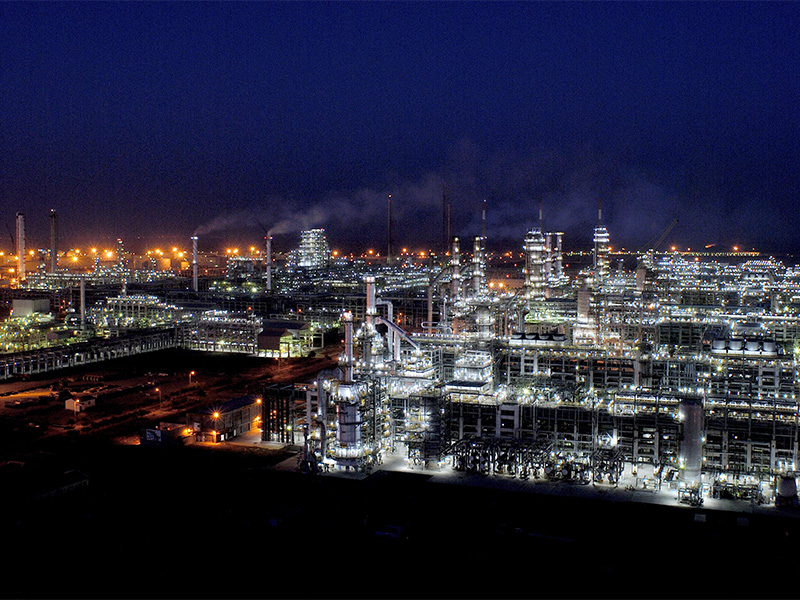
Talks have stalled for months, AP reported, over tariffs and India’s purchases of discounted Russian crude. The West Asia crisis has disrupted Middle East supplies and increased India’s dependence on Russian oil. Jaishankar has reportedly explained that Indian refineries are built mainly for medium-sour crude from the Middle East and Russia, while US crude is mostly light and must be blended.
Rubio has acknowledged the problem. India has diversified its energy sources but still buys substantial Russian oil, he said, so an immediate shift is difficult. “You also can’t unravel the economy of other countries because of one central issue,” he said in Samarkand on Monday. He also suggested the trade deal could factor into President Trump’s decisions on waivers for tariffs linked to Russian oil. On Wednesday he visits the Reliance refinery in Jamnagar, the world’s largest refining complex, for talks on energy cooperation.
Farmers, IT Workers and the Fine Print
- Farmers: The government says grains, sugar, dairy and poultry are protected. Lower tariffs on US tree nuts, fruit and soybean oil could still affect prices for some Indian growers, for example apple and walnut farmers in Himachal Pradesh and Jammu and Kashmir. The final text will show how far these cuts go.
- Exporters: A signed deal would end the uncertainty that exporters say is shrinking US order sizes. Labour-heavy sectors stuck at 18% need a lower rate to compete.
- IT and services: The trade talks cover goods. Higher H-1B visa fees and green-card restrictions for Indian IT firms, which have strained ties, sit outside the deal.
- Consumers: Cheaper US wine, spirits, nuts and some medical devices are likely if India’s tariff cuts take effect.
What Has to Happen Before a Signing
Commerce Minister Piyush Goyal said last week that the first tranche of the deal was in its final stages. Earlier in October, Finance Minister Nirmala Sitharaman said the talks had “plateaued”. Neither government has given a signing date, and the text of the interim agreement has not been made public. Once it is signed, India has six months to decide which US or international standards it will accept in identified sectors. A broader Bilateral Trade Agreement would follow, with no date fixed.
For now, Tuesday’s meeting ends where it began, with both sides saying they are close. Watch the outcome of Rubio’s Jamnagar visit on Wednesday, and any word from Washington on Russian-oil waivers. IPB News will update this report when either government releases details. Read our earlier coverage of the economy.
Frequently Asked Questions
What tariff does the US charge on Indian goods now?
Under the February 2026 framework, a reciprocal tariff of 18% applies to most Indian goods. Some items, such as gems, pharmaceuticals, smartphones, tea and coffee, enter at zero reciprocal tariff.
Has the India-US trade deal been signed?
No. As of 20 October 2026, only a framework is in place. Rubio said the sides are “very, very close” to finalising the first part of the deal.
Source: US-India Joint Statement, 6 February 2026; All India Radio (Piyush Goyal on farm products). Also based on reporting by AP, Business Today, The Tribune / ANI, ETV Bharat / PTI (trade data) and India Briefing.
Image: Kylie Cooper / Pool Photo via AP; Wikimedia Commons.