Oil Firms Bar Sugar-Based Ethanol in 2026-27, Cut Maize Incentive
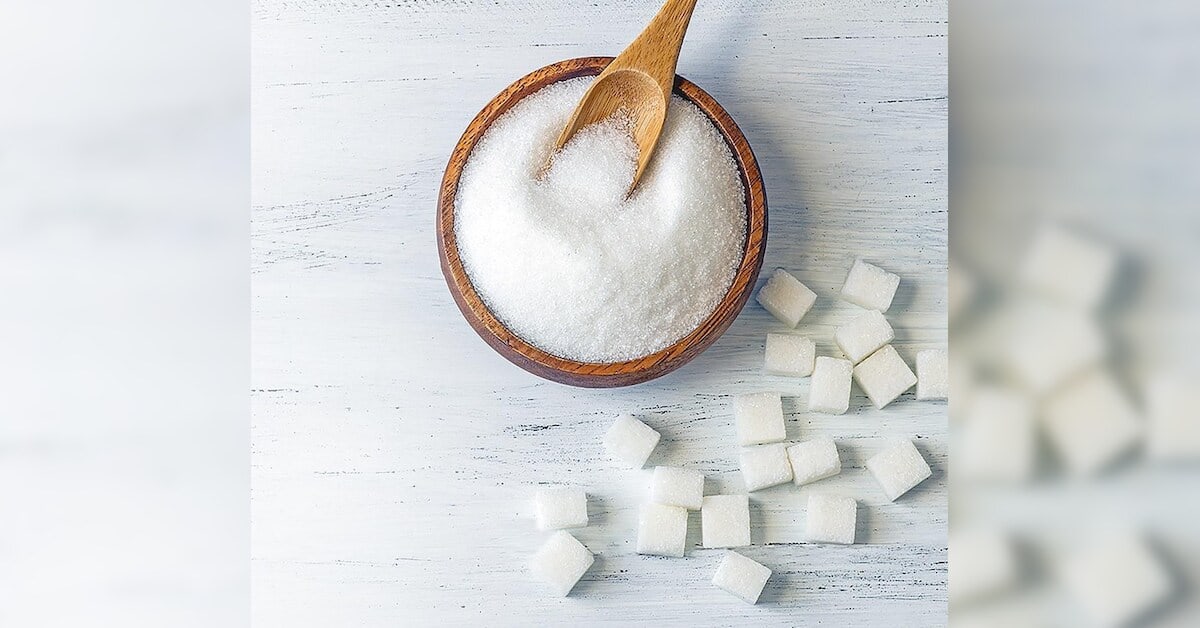
Image: Business Standard
State-run oil marketing companies have barred ethanol made from sugarcane juice, sugar syrup and B-heavy molasses from their procurement tender for the 2026-27 ethanol supply year, after the government directed that sugar diversion for ethanol be reduced to zero. The tender, issued by Bharat Petroleum Corporation Ltd on October 16 on behalf of the oil companies, seeks about 11 billion litres of ethanol for November 2026 to October 2027.
Poor Rain in Maharashtra and Karnataka Cane Belts
The decision follows concerns over domestic sugar availability and prices after poor rainfall in Maharashtra and Karnataka, two key cane-growing states, raised the risk of lower output, PTI reported. The tender document says the government has directed that “sugar diversion for ethanol be reduced to zero” for the year.
The aim is to protect sugar supplies for household consumption while continuing the ethanol blending programme, which seeks to reduce crude oil imports and emissions.
Maize, Broken Rice and C-Heavy Molasses Still Allowed
Ethanol made from maize, broken rice, surplus rice procured by the Food Corporation of India and C-heavy molasses can still be offered. Producers cannot buy ethanol from outside sources and must supply from their own licensed distilleries, The Tribune reported.
The procurement price for maize-based ethanol has been cut to Rs 68.86 a litre from Rs 71.86, and the incentive for it reduced to Rs 2.79 a litre from Rs 5.79. The lower incentive is expected to reduce returns for grain-based producers.
Keeping the E20 Blending Target on Track
The 11-billion-litre tender is meant to meet the requirement for blending 20 per cent ethanol into petrol, known as E20. Blending is intended to reduce India’s reliance on imported crude oil, an issue IPB News has tracked in reports such as India’s crude oil imports.
For sugar mills, the change means cane juice, sugar syrup and B-heavy molasses cannot be offered to the oil companies in this tender, leaving grain and C-heavy molasses as the main feedstocks for the year.
The new supply year begins in November. More on prices and household budgets is in IPB News’s Economy section.
Based on reporting by Business Standard / PTI and The Tribune.
Image: Business Standard.