Internet Access Is a Fundamental Right, Including for Children: SC
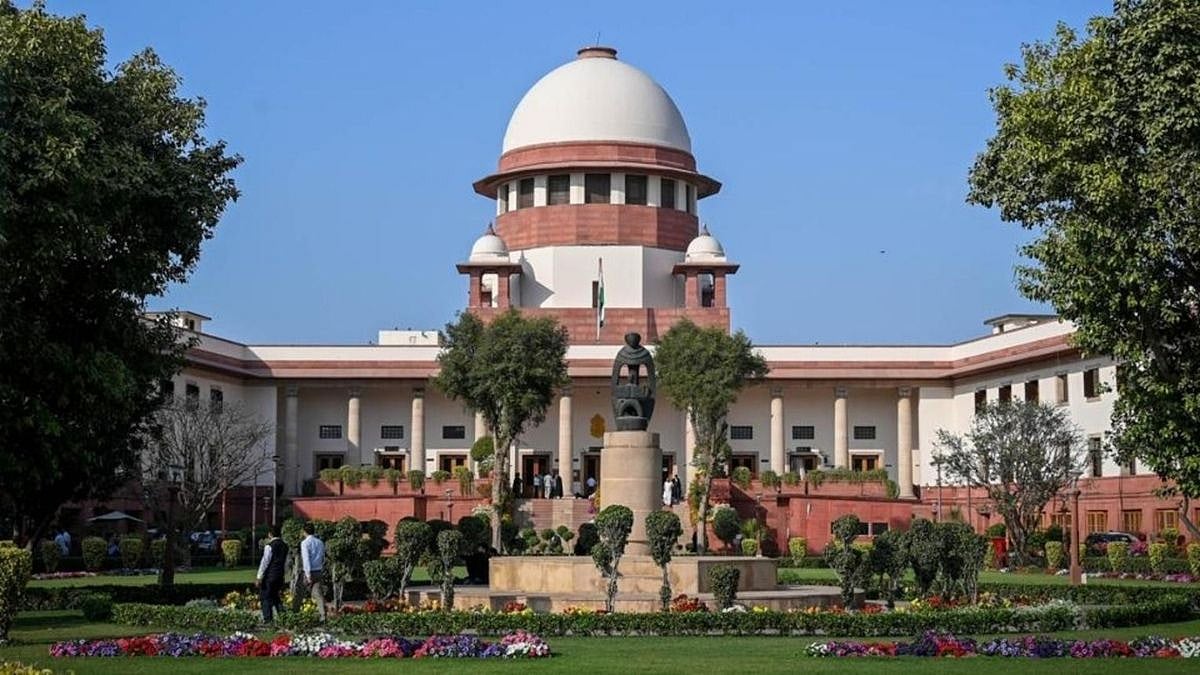
Image: Free Press Journal (file)
The Supreme Court has held that the right to access and use the internet is a fundamental right of every individual, including children, under Article 21 read with Article 19(1)(a) of the Constitution. A bench of Justices JB Pardiwala and K Vinod Chandran passed the order on October 15 in Just Rights for Children Alliance v. S. Harish, and it was reported on Saturday.
What the Court Decided
The bench said blanket restrictions on children’s internet access are disproportionate and described them as “nothing more than unproven measures”. It noted that age-verification systems could involve continuous collection of sensitive data and may discourage children from reporting online exploitation to parents or trusted adults.
The Court said protective steps should target harmful material, the people who create or circulate it, and intermediaries that fail to remove it, rather than children themselves. “The safety of our children and their freedom are not at odds with each other,” the bench said. The Centre can still restrict access to inherently harmful content such as adult websites.
Directions on Abuse Material
The matter arose from an NGO’s plea alleging continued lapses by platforms in tackling child sexual exploitation and abuse material (CSEAM) since the Court’s September 2024 judgment. The bench directed the Centre to create a National Hash and URL List Database, with each entry checked by at least three trained analysts, so matching content can be removed across platforms.
Platforms must display grievance officer details prominently and allow complaints within two steps. The Court also asked for digital safety and age-appropriate sex education to be built into school curricula through NCERT and SCERTs, along with teacher training and free counselling for victims. The Centre must file a progress affidavit before the next hearing on December 10.
Why It Matters for Families
For many students, especially in remote areas, the internet is a main source of learning, a point the Court itself made. The ruling makes it harder for governments to impose sweeping age-based bans of the kind being debated in India and abroad, while pushing platforms to take more responsibility.
Parents may see new tools in future, as the Court suggested the Centre consider a “child mode” for accounts, private-by-default profiles for pre-teens and limits on contact from unknown adults. The government will decide how these work.
The ruling comes days after the Court sought the Centre’s views on a separate plea on social media age limits for children. More court updates are on our Daily Updates page.
Based on reporting by LiveLaw and Bar and Bench.
Image: Free Press Journal (file).