
Great Leap Backwards
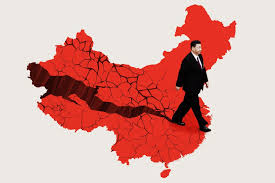
In a recent report published by the Reporters Without Borders, an international non-profit organization, China was described as the biggest captor of journalist.
It reveals about the “unprecedented campaign of repression” led by the Chinese regime in recent years against journalism and the right to information worldwide. In this report titled, The Great Leap Backwards of Journalism in China, it reveals the deteriorating condition of free flow of information in China, as according to the report about 127 journalists have been detained, for doing their job, like investigating on topics the regime considers “sensitive”.
More than half of those include 71 Uyghur journalists. The report also sheds light on the condition of Hong Kong where number of journalists have been arrested in name of national security.
Hong Kong activist Nathan Law, who was one of the student leaders in the umbrella pro-democracy movement, commented on how the journalist in Hong Kong are facing pressure both politically and legally. “Since the early 2000s, there has been a gradual decline with Hong Kong losing its press freedom slice by slice,” he said. Mr. Law had to leave Hong Kong and seek political asylum in London before the enactment of National Security Law in 2014 as he was wanted by police on suspicion of violating the national security law.
Topics under the tag of “sensitive” have been increasing, censoring topics like Taiwan, Tibet, corruption and also news on #metoomovement and natural disasters. China has been intimidating the foreign journalist through high surveillance and visa blackmail, which has forced 18 of them to leave the country, claims the reports.
The journalists in China are being moulded to become a mouthpiece of the government as according to the reports, journalist need to go through 90-hour annual training that focuses on Xi Jinping’s “thought”. Anything outside the purview of what government rightly sanctions, can lead to detention in unhygienic prisons. All of this allows the Chinese government to have a tight grip on the flow of information.
Updated by Preet Joshi